Newly Declassified Reports
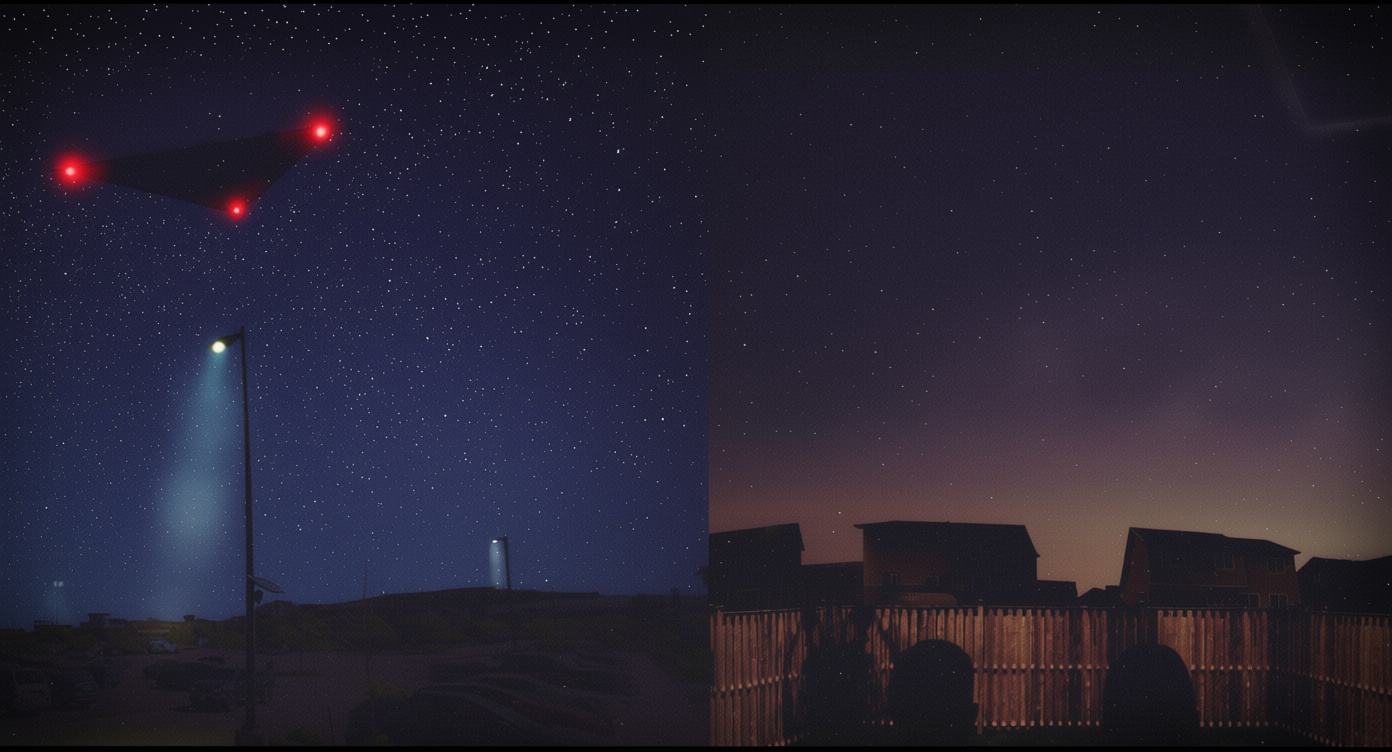
Federal officials have declassified information concerning two additional unidentified aerial phenomenon (UAP) sightings in the Pikes Peak area, according to a report published Sept. 21 by The Gazette. The release adds to the number of unexplained aerial observations associated with the region, but provides little detail about what was seen or how the reports were evaluated.
The available information does not identify the observers, specify the dates or locations of the incidents, or describe the objects’ appearance, movement, altitude or duration. It also does not indicate whether either sighting was supported by radar, video, photographs or other sensor data. No explanation or final determination was included with the declassified material, leaving the nature of both incidents unresolved.
What the Release Does—and Does Not—Show
The designation UAP refers to an observation that has not been immediately identified, rather than evidence of extraterrestrial activity. Such reports can involve aircraft, drones, balloons, atmospheric effects, astronomical objects or other sources that witnesses or analysts cannot initially classify. Declassification likewise means that previously restricted information has been made available; it does not necessarily mean that the federal government has confirmed the unusual nature of an event.
In this case, the release appears to confirm only that federal records exist for two Pikes Peak-area sightings and that details have been made public. The information provided does not establish that the incidents involved advanced technology, a security threat or any connection to other UAP reports. Without additional records, independent corroboration or technical analysis, the significance of the sightings cannot be assessed.
Regional Context
The Pikes Peak area is home to a substantial military, aerospace and aviation presence, making reports of unusual objects particularly relevant to questions about airspace awareness and national security. At the same time, the area’s mountainous terrain, changing weather and heavy air traffic can complicate visual observations and make it difficult for witnesses to determine an object’s distance, speed or size.
Those factors underscore the importance of distinguishing between an unexplained report and an unexplained object. A witness may accurately describe what was observed while still lacking enough information to identify it. Investigators typically rely on multiple sources—such as flight records, radar data, imagery, weather information and witness interviews—to determine whether an observation can be resolved.
Questions That Remain
The declassification leaves several basic questions unanswered, including when the sightings occurred, who reported them and which federal agency handled the cases. It is also unclear whether officials conducted follow-up investigations or reached preliminary conclusions that were not included in the release.
Until those details become available, the two cases are best understood as newly disclosed but largely undocumented entries in the federal record. The release expands the public’s awareness of UAP reporting in the Pikes Peak region, but it offers no additional evidence explaining what observers saw.