Overview
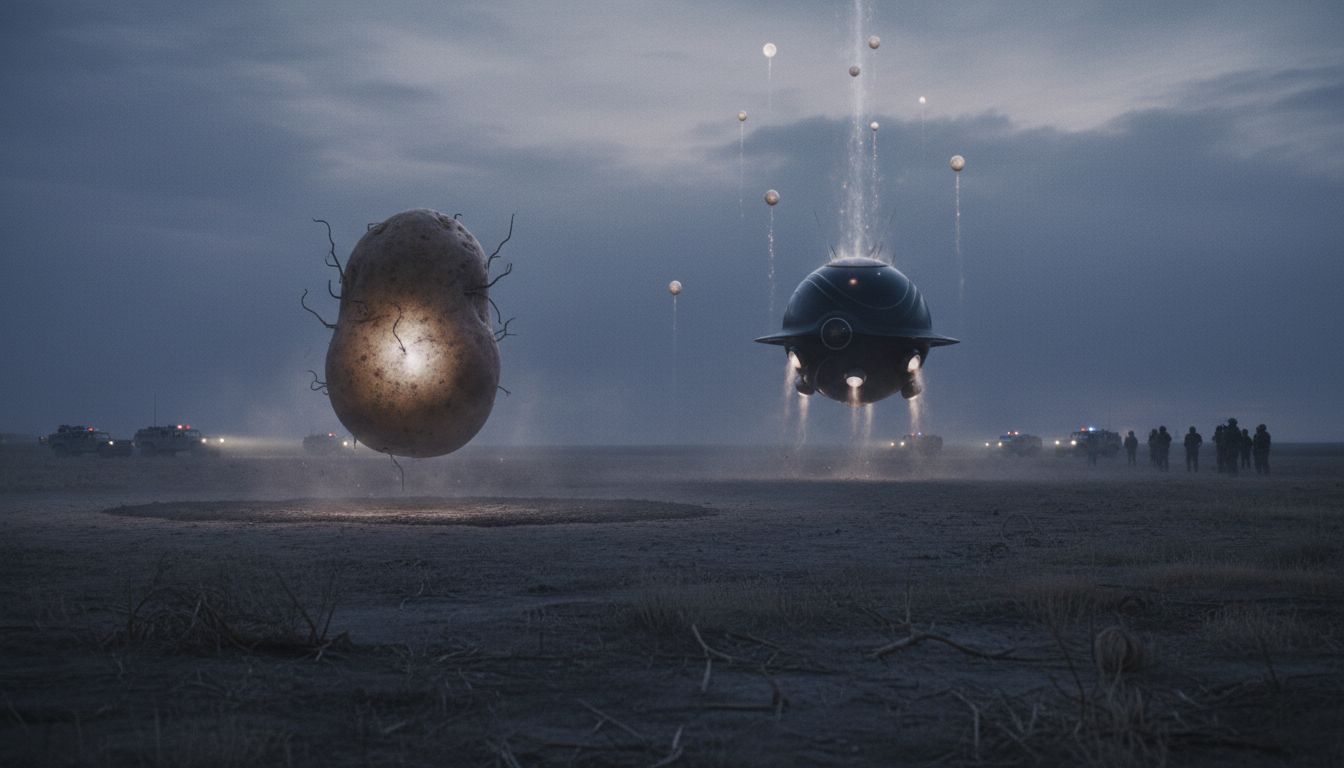
The latest release of Pentagon UFO records has added fresh fuel to the long-running debate over unexplained aerial phenomena, but not much in the way of hard proof. According to the newly published files, officials logged unusual civilian and military reports describing “orbs launching other orbs” in the western United States, along with a separate account from Colorado involving what witnesses described as a hovering potato. Despite the colorful language, investigators said they were unable to verify the claims because no video, photographs, or other technical evidence was collected alongside the reports.
The unusual entries underscore a familiar problem in the government’s UAP files: many sightings are intriguing on paper, but remain largely anecdotal without sensor data or independent corroboration. The cases were part of the Pentagon’s latest tranche of documents related to the All-domain Anomaly Resolution Office, or AARO, the office tasked with reviewing military and civilian reports of unidentified objects. In each instance, the source material suggests that officials recorded the allegations but could not determine whether the objects represented advanced technology, misidentification, atmospheric effects, or something else entirely.
Key Details
The most attention-grabbing report involved the western U.S. sighting of “orbs launching other orbs,” a description that, even by UFO standards, reads as highly unusual. The files do not appear to contain supporting imagery or flight data, and there is no indication in the release that investigators were able to recreate the event or identify a mundane explanation. A separate Colorado report referenced a hovering object that witnesses likened to a potato, another reminder of how eyewitness descriptions can be vivid but imprecise when no supplementary evidence exists.
That absence of technical corroboration is central to AARO’s analysis. The office has repeatedly stressed that many claims cannot be assessed fully unless they are paired with radar tracks, sensor logs, photos, or videos. In the newly released material, officials appear to have treated the reports as legitimate entries worthy of review, but not as confirmed evidence of anything anomalous. For skeptics, the files reinforce the view that many UAP stories collapse under scrutiny; for believers, they highlight how limited the government’s public disclosures remain.
Broader Disclosure Debate
The latest dump also arrives at a sensitive moment in the broader disclosure conversation, where expectations often outpace the evidence released. Advocates for greater transparency say the government continues to withhold critical context, while critics argue that many UAP cases amount to misidentified objects, sensor glitches, or ordinary phenomena seen under poor conditions. The new files do little to settle that dispute, but they do illustrate why the issue remains politically and culturally persistent: the language of the reports is often extraordinary, even when the evidentiary record is not.
That tension has kept figures like whistleblower David Grusch in the spotlight. Grusch has become one of the most prominent voices calling for more openness around UAP investigations, and his comments in the wake of new disclosures have generally reflected the view that the public deserves fuller answers than brief file releases can provide. For now, however, the Pentagon’s latest document dump appears to offer more questions than conclusions — and a reminder that in the UAP field, the gap between a strange sighting and a verified event remains vast.