Overview
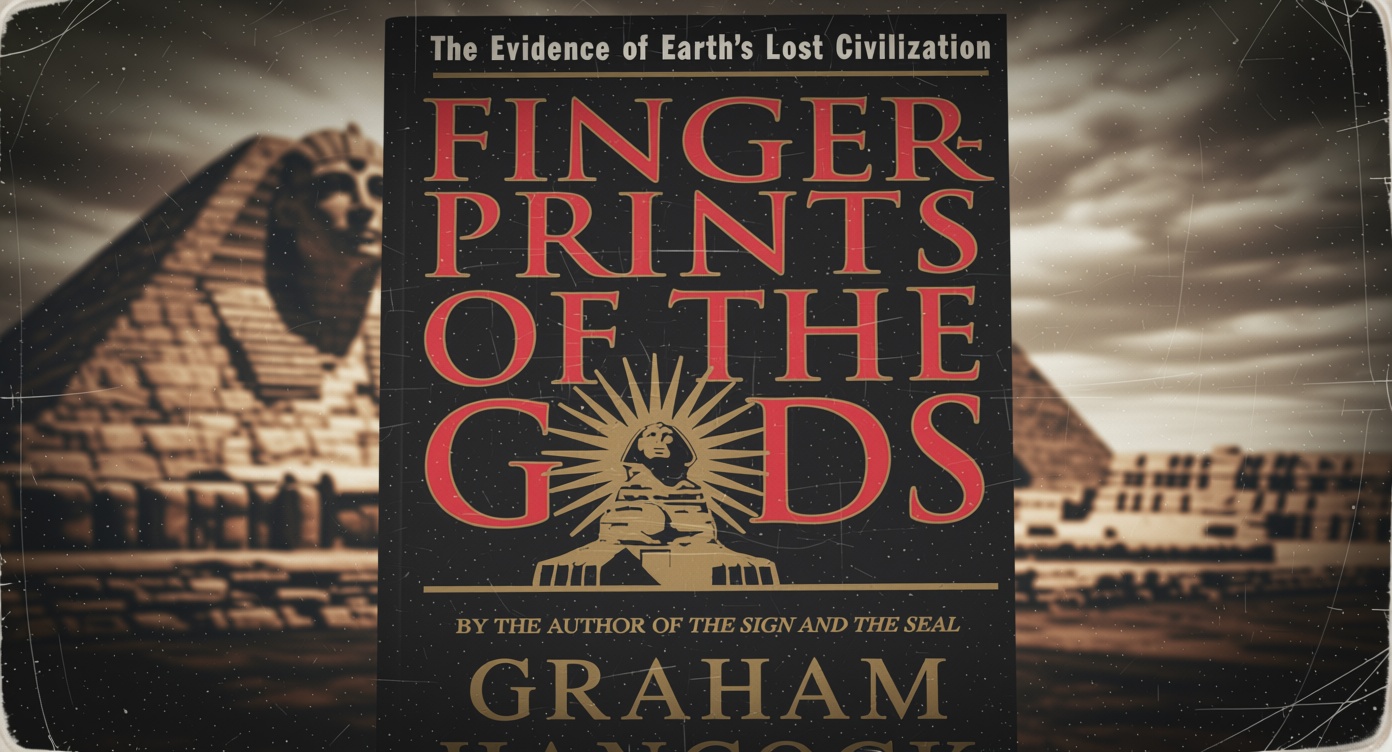
A document titled “Fingerprints of the Gods” presents a broad argument that certain architectural structures, artifacts and geological formations may be difficult to reconcile with conventional historical timelines. According to the available summary, the material uses these examples to support a wider theme involving unexplained or disputed aspects of humanity’s ancient past. However, the excerpt provided does not identify specific sites, objects, dates or archaeological studies, making it impossible to independently assess the claims in detail.
The source link supplied for the document did not provide access to the underlying text. Instead, it displayed a security-verification page associated with Cloudflare, stating that the website was checking whether the visitor was an automated program. The page contained only the branding for librarycentral.org.uk, links to Cloudflare’s privacy and corporate pages, and no substantive content from the purported document. As a result, the available evidence consists solely of the title and summary rather than the document itself.
Claims and Context
Arguments that ancient structures or geological features exceed the capabilities or chronology of known civilizations have appeared frequently in debates over alternative archaeology. Such claims can involve monumental construction, unusual artifacts, apparent signs of erosion, or similarities between cultures separated by great distances. Mainstream archaeology generally evaluates these questions through stratigraphy, radiocarbon dating, material analysis, inscriptions, construction methods and evidence of cultural continuity. A structure’s size or complexity, by itself, does not establish that it was built outside the accepted historical record.
Geological features require particular caution because natural processes can create formations that appear engineered or artificially altered. Likewise, similarities in architecture or symbolism may result from practical constraints, independent invention or later cultural exchange. Establishing that an object or site is genuinely anomalous would require reliable provenance, secure dating and a clear demonstration that conventional explanations fail. Without those elements, an assertion that a feature is “difficult to explain” remains a starting point for investigation rather than proof of an alternative history.
Evidence Still Needed
A credible assessment of the document would require more specific information, including the names and locations of the sites discussed, the dates proposed for them, the sources used to support those dates and any responses from qualified archaeologists or geologists. It would also be important to distinguish between established discoveries, unresolved scholarly questions and speculation. Claims involving lost civilizations or advanced prehistoric societies are especially dependent on physical evidence such as settlement remains, tools, inscriptions, manufacturing debris and datable cultural layers.
Assessment
Based on the material available, “Fingerprints of the Gods” should be treated as a thematic or interpretive document, not as a verified account of archaeological findings. The summary indicates an argument built around alleged anomalies, but it provides no supporting details that can be checked independently. The access barrier further limits review and means that quotations, references and conclusions attributed to the document cannot be confirmed from the supplied source.
Further reporting would require access to the full text and consultation of relevant archaeological and geological literature. Until that evidence is available, the document’s central premise remains unsubstantiated, and its examples should not be presented as evidence that established historical timelines have been overturned.