Overview
The prospect of humanity discovering extraterrestrial life is often framed as a scientific triumph, but researchers argue that any future “first contact” could also raise difficult ethical and political questions. A recent analysis draws comparisons between possible encounters with alien organisms or civilizations and the history of European colonization, warning that contact between technologically unequal societies has repeatedly produced exploitation, displacement and genocide on Earth.
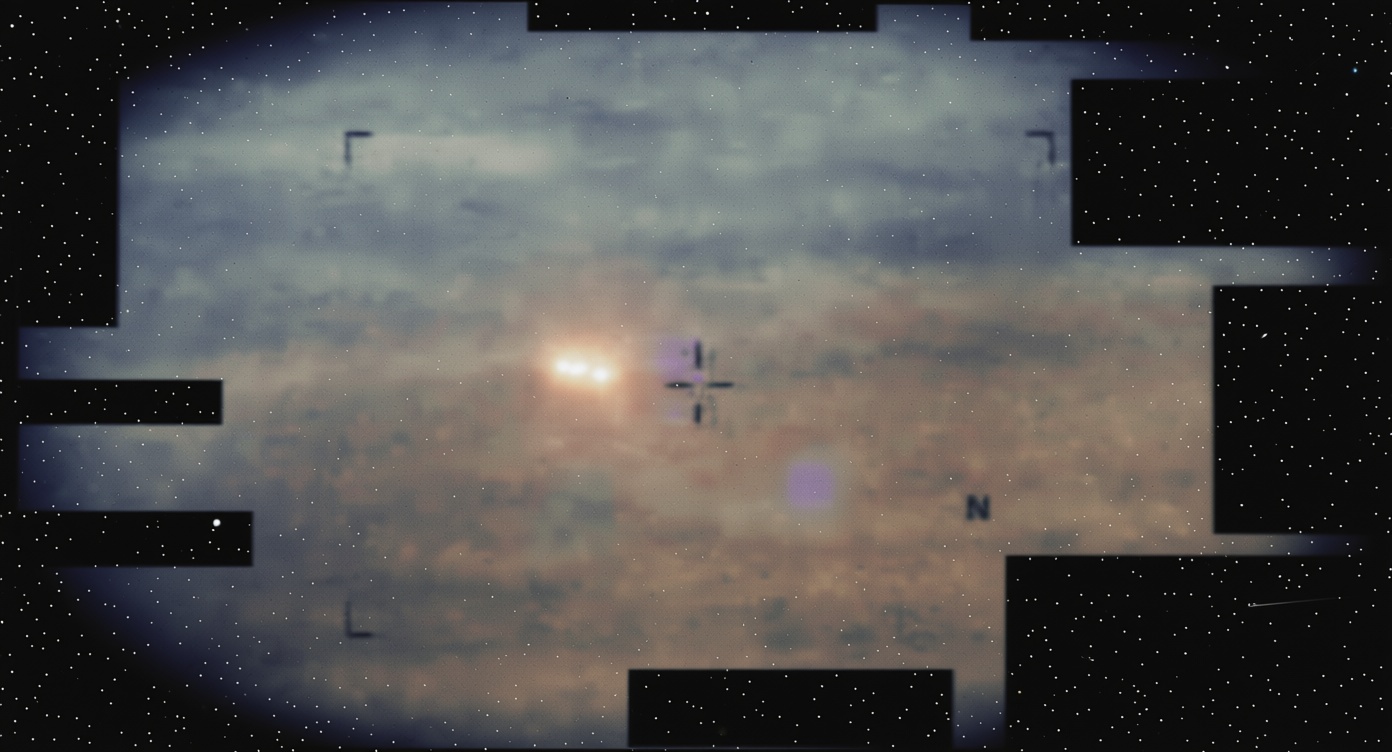
The comparison is not presented as evidence that extraterrestrial beings have visited Earth. Rather, it is a thought experiment intended to examine how humanity might respond if scientists detect life elsewhere or establish communication with an extraterrestrial society. The authors argue that history should inform preparations before such a discovery occurs.
Lessons From Earth’s Colonial History
The arrival of Christopher Columbus in the Caribbean in 1492 provides the analysis with a central historical analogy. Although Columbus crossed an ocean rather than interstellar space, his arrival initiated a prolonged period of conquest and colonial expansion that devastated Indigenous populations through violence, disease, forced labor and the seizure of land.
The researchers emphasize that “first contact” should not be understood solely as a single dramatic moment, such as receiving a radio signal or meeting an alien spacecraft. Contact is more accurately understood as a long process, beginning with observation, interpretation and decision-making, and continuing through any subsequent exchange or relationship.
This broader perspective also highlights the importance of asking who defines intelligence, civilization and life. The authors contend that existing scientific approaches may reflect narrow assumptions about what counts as a meaningful signal or an intelligent society. Indigenous studies, anthropology and other disciplines could therefore contribute perspectives that are often missing from discussions dominated by astronomy, engineering and national security.
Who Would Control Contact?
A major question is who would be responsible for managing evidence of extraterrestrial life. The analysis identifies military, corporate and scientific institutions as the groups most likely to detect, interpret or control information about a potential discovery.
The military is frequently involved in investigations of unidentified aerial phenomena, while NASA conducts missions and communications initiatives related to space exploration. The Search for Extraterrestrial Intelligence, or SETI, brings together scientific projects seeking evidence of intelligent life, including efforts to identify “technosignatures”—possible indicators of technology, such as unusual radio emissions or atmospheric pollutants associated with industrial activity.
Commercial interests could also play a role. The U.S. Commercial Space Launch Competitiveness Act of 2015 established legal rights related to commercial space tourism and the extraction of resources from celestial bodies. The authors suggest that private companies could therefore become among the first organizations to encounter signs of extraterrestrial life as commercial activity expands beyond Earth.
A Call for Broader Participation
The researchers’ work emerged from an Indigenous studies working group that contributed to a workshop affiliated with the Berkeley SETI Research Center. Drawing on studies of cultural encounters in Australia, New Zealand, Africa and the Americas, the group argued that preparations for extraterrestrial contact should include diverse cultural and ethical perspectives, rather than being left exclusively to governments, corporations or scientific institutions.
Such participation could help address questions about consent, ownership, communication and the potential consequences of revealing information about another society. It could also encourage researchers to consider whether humanity’s own history of colonialism might shape how it interprets an unfamiliar form of life—or how extraterrestrial observers might interpret humanity.
Preparing Before Discovery
NASA missions and astronomical observatories continue to search for signs of life in the solar system and for potentially habitable worlds beyond it. Detecting even simple extraterrestrial organisms would represent a profound scientific and philosophical shift, while identifying a technological civilization could create far more complicated security and ethical challenges.
The analysis ultimately offers a warning rather than a prediction: humanity has no confirmed evidence that alien contact has occurred, but it does have extensive evidence of the harm caused when powerful societies encounter vulnerable ones without safeguards. Studying that history, the researchers argue, could help ensure that any future contact is approached with caution, transparency and respect rather than through the assumptions and power structures that have shaped Earth’s colonial past.