Overview
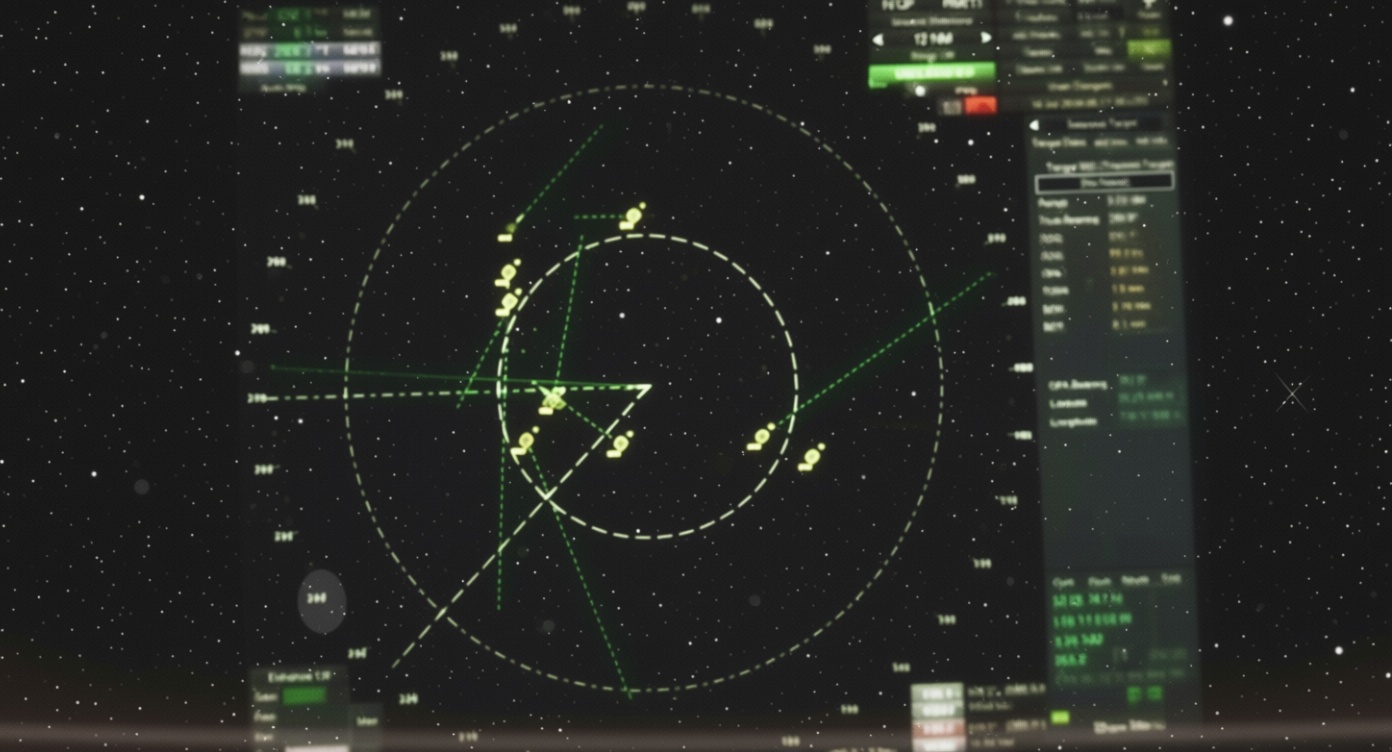
Investigative journalist George Knapp and filmmaker Jeremy Corbell have drawn new attention to the long-running debate over military UAP sightings after discussing a recently released radar video that reportedly shows multiple unidentified objects surrounding the USS Omaha. The clip, first shared on extraordinarybeliefs.com, was highlighted in a Mystery Wire segment and quickly became part of the latest round of discussion in the UFO/UAP community.
The video matters not only because it involves a U.S. Navy vessel, but because it adds another layer of sensor-based evidence to a topic often dominated by eyewitness accounts and grainy imagery. Radar data is frequently treated as particularly significant in UAP cases because it can provide timing, movement, and range information that is harder to dismiss than a single visual observation. Even so, the clip does not appear to provide a definitive answer on what the objects are, leaving room for interpretation and further scrutiny.
What the Video Shows
According to the discussion surrounding the release, the radar footage appears to depict several objects in the vicinity of the USS Omaha, prompting renewed questions about whether they were drones, environmental artifacts, classified systems, or something else entirely. In the UAP field, this kind of material often becomes central to the larger conversation because it may show multiple tracks or targets rather than a single anomalous blip. That detail can make an incident more difficult to explain with a simple, one-off malfunction.
Knapp and Corbell have both been prominent voices in bringing military-related UAP cases into the public eye, and their commentary helped frame the radar video as part of a broader pattern of recent developments. While the segment focuses on the footage itself, the larger significance lies in the fact that the video was presented as an example of the kind of sensor data that continues to fuel debate inside and outside government circles. As with many UAP releases, the key question is less whether the footage is real than what it actually represents.
Broader UAP Context
The USS Omaha case has remained one of the more talked-about Navy encounters in recent years, largely because it sits at the intersection of public curiosity, military transparency, and unresolved technical questions. Releases like this one tend to revive calls for more complete disclosure from defense agencies, especially when radar, video, and pilot reports seem to point to the same unexplained event. Supporters of greater openness argue that such cases deserve careful review because they may involve either national security issues or genuinely unfamiliar phenomena.
At the same time, the UAP community remains divided over how much can be concluded from partial releases. Some observers see these videos as evidence that there are still gaps in the official record and that the public is only seeing fragments of larger incidents. Others caution that radar returns can be misread and that more context is needed before any firm conclusions are drawn. What is clear is that the latest clip has once again placed the USS Omaha incident at the center of a wider conversation about how UAP evidence is collected, interpreted, and released.