Overview
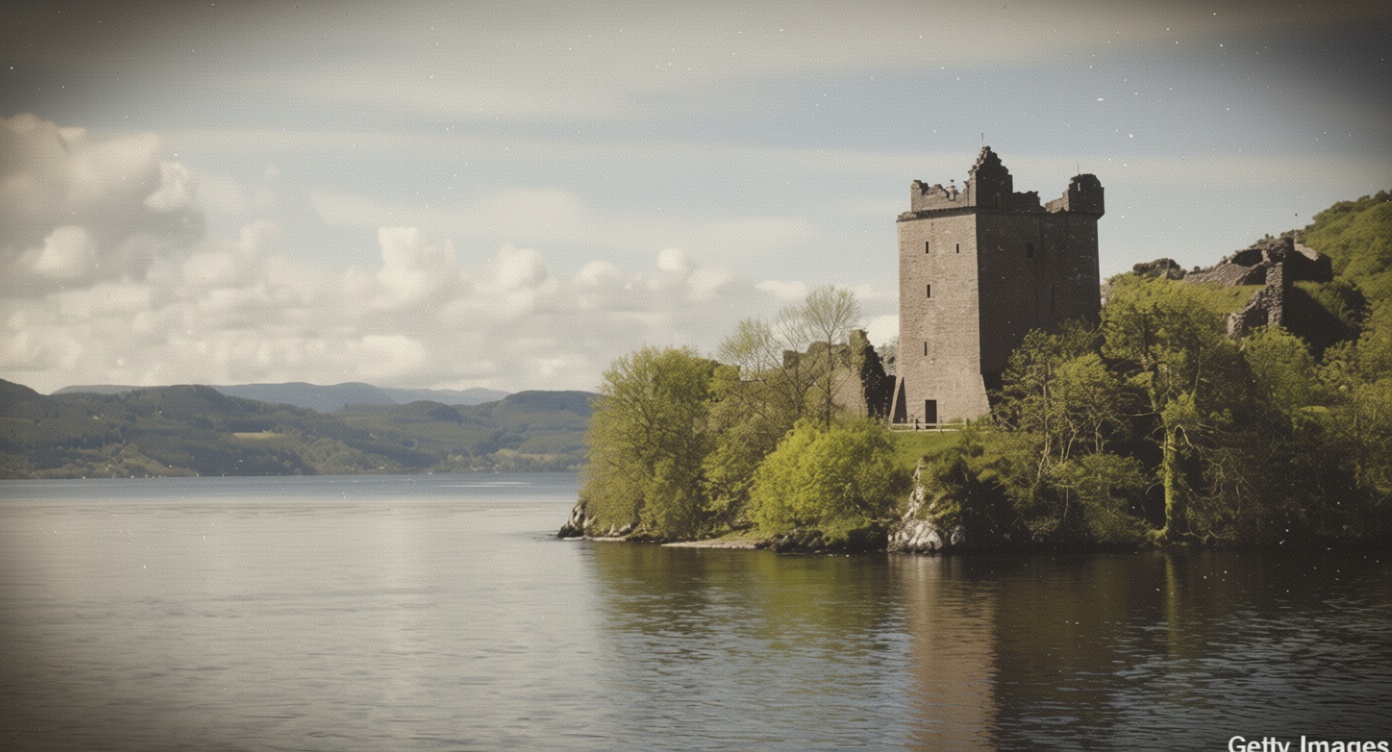
A German tourist has reported what is being counted as the 14th alleged Loch Ness Monster sighting of the year, adding another entry to a long-running stream of claims tied to Scotland’s most famous body of water. According to the account highlighted by Coast to Coast AM, the latest report extends a remarkable run of sightings that has drawn attention not only from local observers but also from visitors representing eight different countries, plus Scotland. While Nessie sightings are part of Loch Ness folklore and continue to attract global interest, the report underscores that the phenomenon remains a matter of belief, anecdote, and interpretation rather than confirmed evidence.
A Year of Renewed Attention
The report’s significance lies less in any single observation than in the broader pattern it reflects. A tally of 14 sightings in one year is notable even by Loch Ness standards, where tourism, local legend, and modern digital sharing often collide. The article frames 2026 as something of a banner year for Nessie reports, suggesting that the storied creature remains a powerful cultural draw for people visiting the Highlands. That the latest alleged sighting came from a traveler from Germany also highlights how international the legend has become, with tourists from far beyond Scotland contributing to the ongoing stream of stories.
The source material does not provide a detailed description of the German tourist’s observation in the excerpt available, but the report places it in the context of other recent claims at the loch. In that sense, the latest entry functions as part of an informal sighting ledger that helps sustain interest in Loch Ness, both as a tourist destination and as a source of enduring mystery. For local businesses and Nessie watchers alike, each new report helps keep the legend in public conversation.
Why the Claims Persist
Loch Ness Monster sightings are rarely straightforward. Conditions on the water can make identification difficult, and distant waves, wakes, floating debris, birds, or optical distortions are frequently cited as potential explanations for unusual shapes or movement. Yet Nessie reports continue because the legend sits at the intersection of myth, curiosity, and modern media. Visitors often arrive at Loch Ness already primed to look for signs of the creature, and even ambiguous observations can become meaningful in the moment.
That dynamic has only intensified in the age of smartphones and social media, where a brief clip or still image can spread quickly with little context. The report’s framing suggests that this year’s sightings are part of a broader environment in which every odd ripple or shadow can be elevated into a monster narrative almost instantly. In that sense, Loch Ness remains not just a lake but a stage for one of the world’s best-known cryptid legends.
Treating Images and Online Claims Carefully
The article also serves as a reminder that photos and social media claims about Nessie should be treated cautiously. Images can be cropped, compressed, or presented without the conditions under which they were taken, making it difficult to determine what they actually show. Likewise, online summaries and reposted content can strip away uncertainty, turning tentative observations into seemingly definitive proof. That caution is especially important in a subject where enthusiasm often outpaces verification.
For now, the German tourist’s report adds another chapter to the Loch Ness story, but not a conclusion. The latest sighting may thrill believers and intrigue observers, yet it also fits a pattern that has defined Nessie for decades: repeated claims, persistent skepticism, and a fascination that shows no sign of fading.