Overview
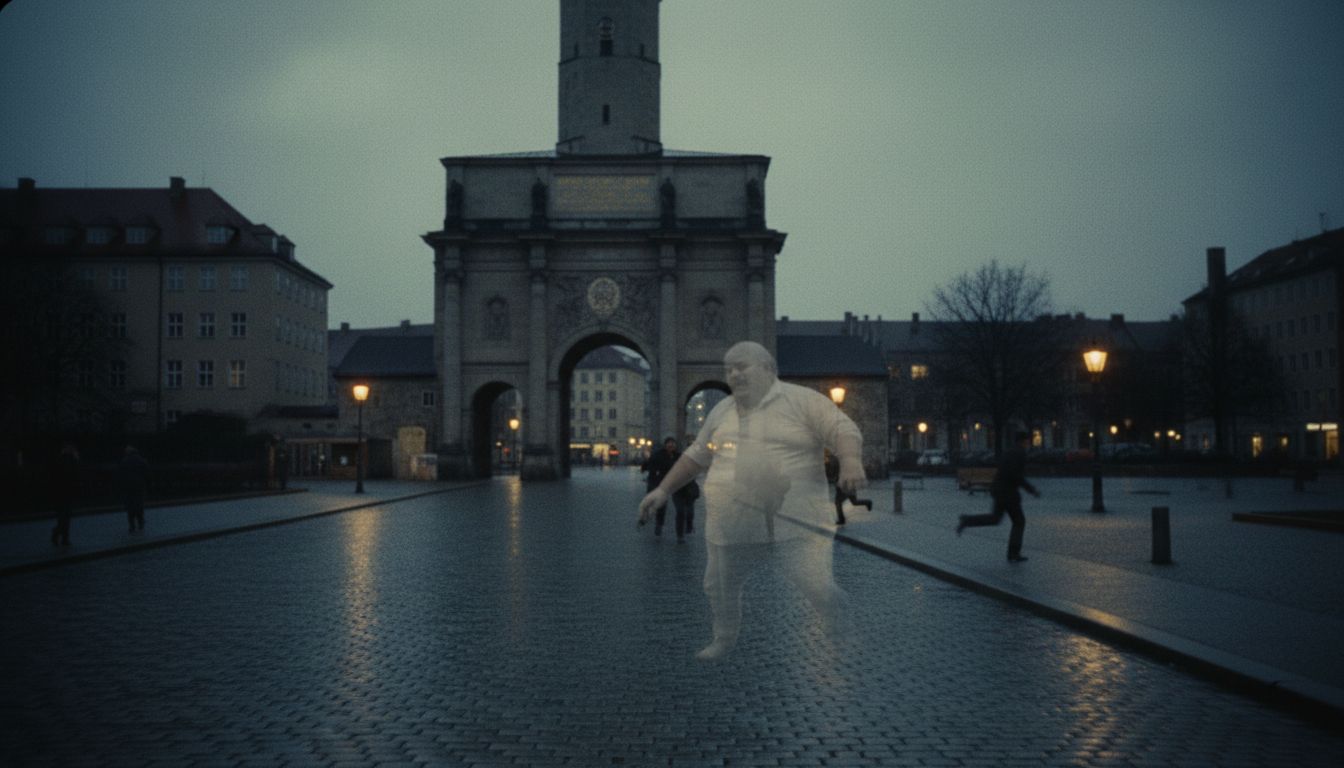
A long-running urban legend in Munich continues to circulate around Maxtor Gate and Maximilianplatz, where residents and visitors have reportedly claimed that dark evenings bring sightings of a ghostly, pale figure said to chase pedestrians through the gates and across the surrounding square. The account, recently summarized by paranormal history site Moon Mausoleum, describes the apparition as a fat, tall man with a haunting face who allegedly appears near the city’s pedestrian passageways and follows unsuspecting passersby all the way home.
While the story has the structure of a classic ghost tale, it remains firmly in the realm of folklore. There is no known historical documentation confirming the existence of such a spirit, and no identified individual has been linked to the legend. Still, the persistence of the account over time has made it a notable piece of Munich’s supernatural heritage.
Historical Setting
The setting of the legend is important to understanding how it took hold. The Maxtor, located beside Maximilianplatz, is described as Munich’s newest city gate, built in 1804 and 1805 after the old city walls were removed. The gate was first called Prannerstor, then renamed Max-Joseph-Tor in 1806 in honor of King Maximilian I Joseph, before becoming known simply as Maxtor from 1809 onward.
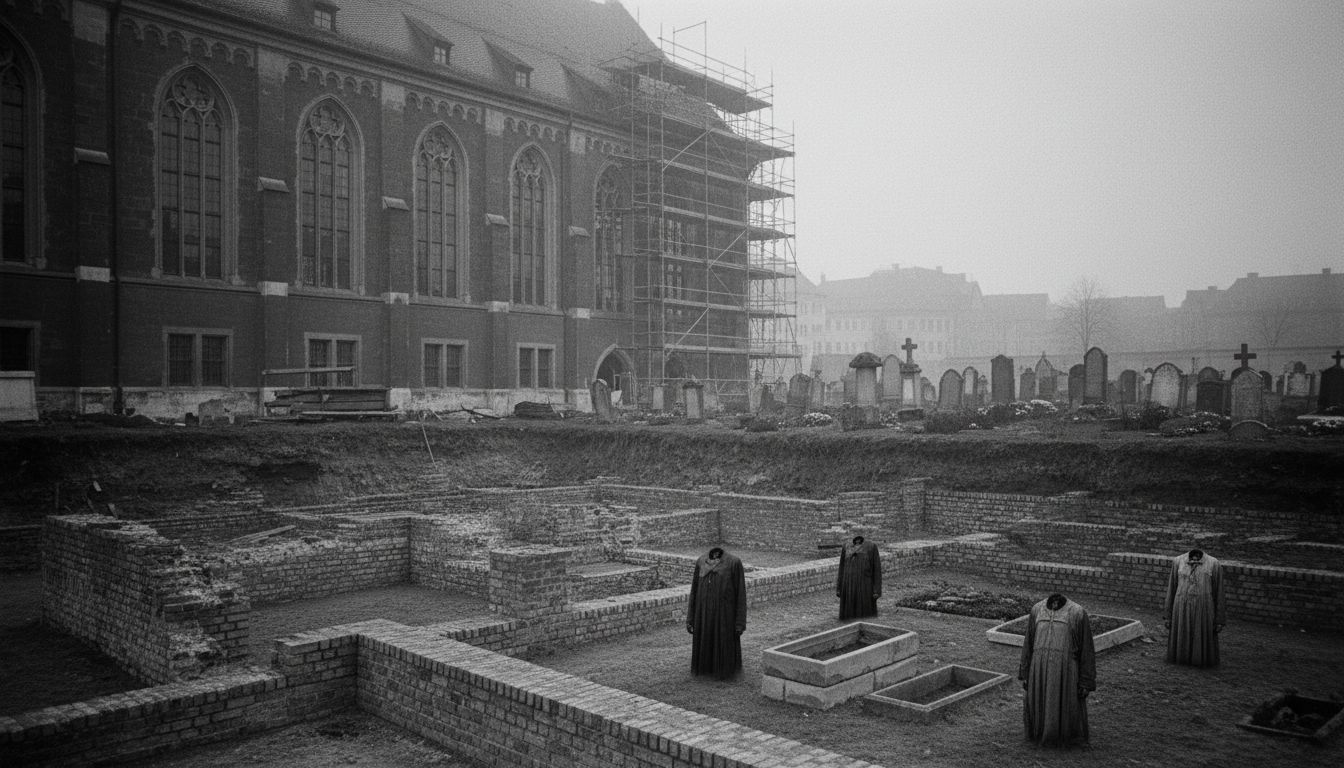
According to the source material, the area’s earlier history may have helped fuel the ghost story. A hospital, church, and cemetery once stood nearby before being demolished to make way for the new gate. In many European cities, the replacement of burial grounds and religious sites with new urban infrastructure has often given rise to folklore, and Munich appears to be no exception. Such places frequently become associated with unexplained encounters, especially when they retain traces of their older, more somber past.
The Legend Itself
The central story tells of a fat ghost who stalks people at night, especially those moving through the smaller side gates for pedestrians or heading toward the Grotto Fountain at Maximiliansplatz 18. Another reported hotspot is the Nornen Fountain on the opposite side of the square. According to the legend, the figure is not only unusually large and pale, but also unnervingly persistent: if a victim believes the entity has disappeared, it may suddenly reappear from a doorway or shadowed entrance nearby.
One version of the tale traces the haunting to an encounter on an autumn evening, when a local man allegedly tried to defend himself with an umbrella after being followed to his front door. In the story, the figure vanished into thin air. This kind of detail — a mundane object, a domestic doorstep, and a sudden disappearance — gives the legend the familiar texture of a witness report, even if it cannot be independently verified.
Why the Story Endures
The legend has reportedly been told since at least the 19th century, suggesting that it has remained part of Munich’s oral tradition for generations. Stories like this often survive because they map fear onto recognizable places: gates, fountains, corners, and doorways that are ordinary by day but feel isolated after dark. In that sense, the “fat ghost” of Maxtor Gate reflects less about the supernatural than about how cities preserve memory through stories.
For visitors walking through Maximilianplatz today, the tale adds a layer of atmosphere to an already historic district. Whether viewed as folklore, local color, or a genuine haunting in the eyes of believers, the story of the ghostly man at Maxtor Gate remains one of Munich’s more unusual and enduring urban legends.