Overview
A Welsh folklore figure described as part ghost, creature and witch, Gwrach y Rhibyn has long been associated with mist, waterways and impending death. The legend was examined in an article published by Moon Mausoleum on Oct. 12, 2026, which presents the figure as a supernatural omen comparable in some respects to the Irish banshee. Her name is also rendered in some accounts as “Gwarch y Rhibyn,” while English-language descriptions include the Hag of the Mist and, in darker variants, the Hag of the Dribble.
The latter name refers to versions of the story in which the hag is depicted with blood dripping from her mouth. Rather than describing a documented encounter or contemporary phenomenon, the account places Gwrach y Rhibyn within the broader tradition of Welsh supernatural storytelling, where landscapes, weather and death are closely linked.
A Spirit of the Welsh Landscape
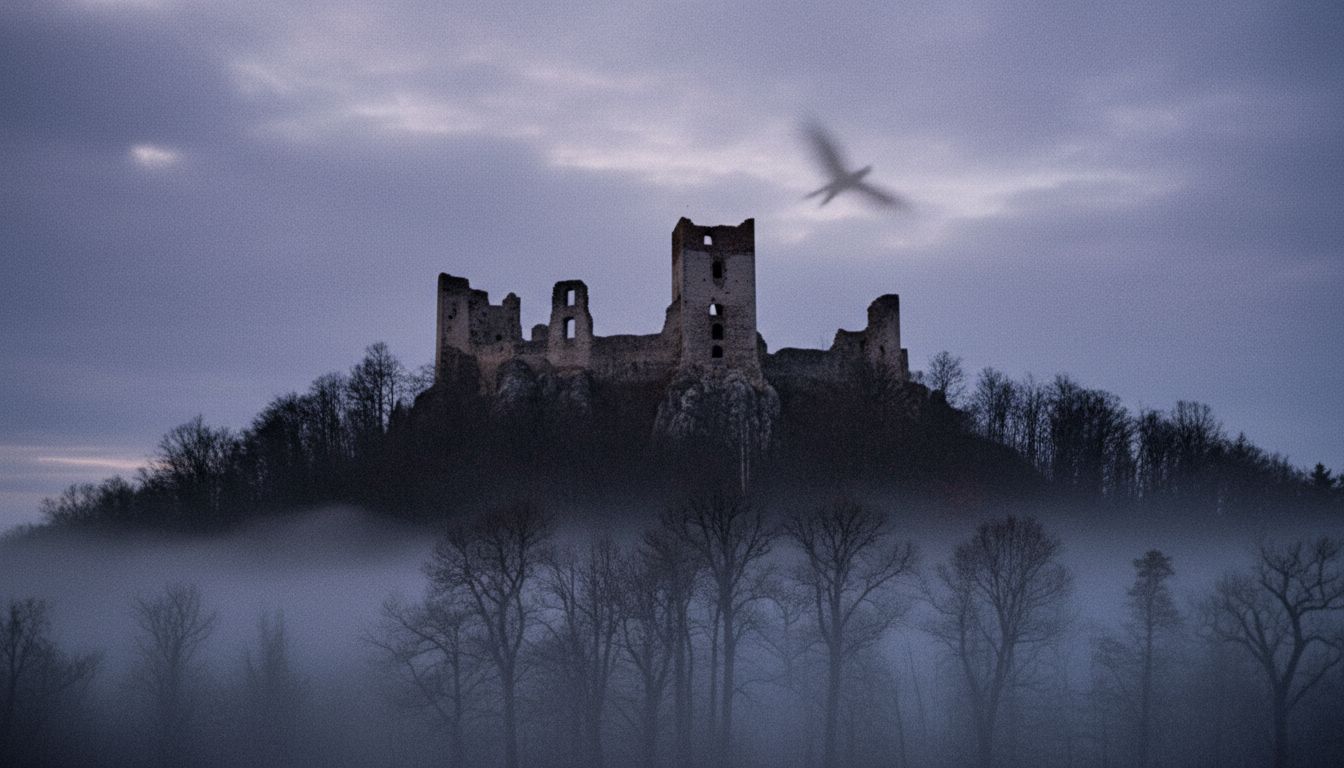
According to the legend, Gwrach y Rhibyn appears in the valleys and waterways of Wales, particularly near rivers, crossroads and other damp or isolated locations. Mist is central to her presence. She is said to move unseen through dense vapor, following travelers along lonely roads or beside dark water.
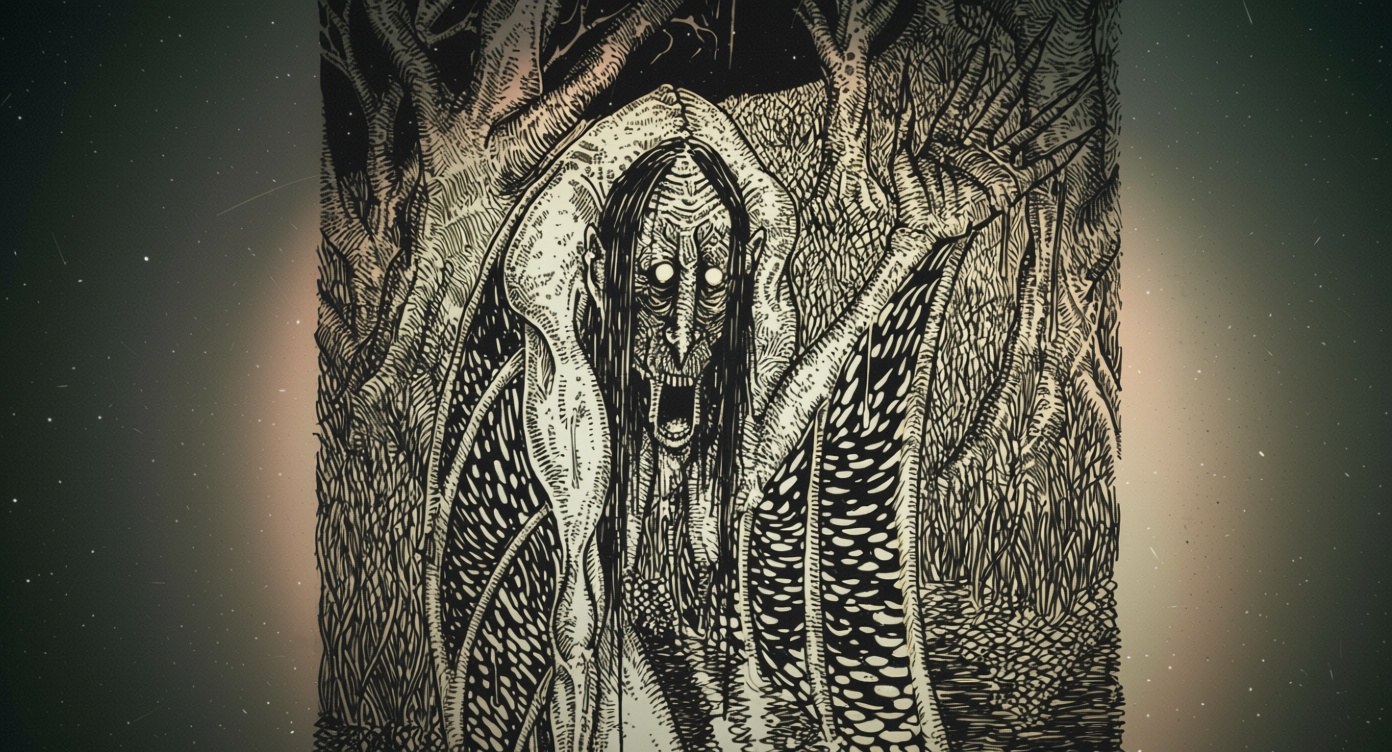
Descriptions vary considerably, reflecting the fluid nature of oral folklore. In some versions, she is a withered crone with corpse-pale skin, tangled hair, sunken eyes and blackened teeth. Other accounts give her leathery, bat-like wings and clawed fingers, placing her somewhere between a human apparition and a predatory creature. The legend’s ambiguity—whether she is a ghost, witch, vampire or remnant of an older supernatural order—is one of its defining features.
Her supposed ugliness is emphasized by a Welsh expression, Y mae mor salw Gwrach y Rhibyn, translated in the source as “She is as ugly as the Gwrach y Rhibyn.” The phrase illustrates how the figure has entered not only ghost stories but also the language used to describe something exceptionally unattractive.
An Omen Rather Than a Killer
Gwrach y Rhibyn is primarily portrayed as a harbinger of death, not necessarily as a creature that physically attacks those who see her. Her appearance or cry is said to signal that the witness—or someone close to them—will soon die. In this respect, the figure resembles the banshee tradition, in which a supernatural woman’s wailing foretells a death within a family.
The source describes her arrival as being marked by rising mist and a shrill call that may address the living by name. Traditional Welsh phrases attributed to her include “Fy ngŵr! Fy ngŵr!”—“My husband! My husband!”—and “Fy mhlentyn bach!”—“My little child!” These cries reinforce the hag’s association with grief, loss and the anguish of those awaiting death.
Related Welsh Traditions
The story is also connected with Canwyll Corph, or corpse candles—bluish-white lights traditionally said to appear near graveyards or places where people have died. These lights are often compared with will-o’-the-wisps, and their inclusion alongside Gwrach y Rhibyn shows how different supernatural motifs can merge within regional storytelling.
Taken together, the legends reflect the atmosphere of rural Wales: mist-covered rivers, ancient roads and isolated crossings become settings where ordinary uncertainty is transformed into supernatural warning. Gwrach y Rhibyn remains a cultural figure of folklore rather than evidence of a verified creature, but her enduring imagery continues to give shape to Welsh stories about death, grief and the unknown.