Overview
Hangar 1 Publishing and paranormal author Maxim W. Furek are rejecting claims that a new documentary has definitively exposed the famous Patterson-Gimlin Bigfoot film as a hoax. In a statement tied to the latest debate over the 1967 footage, Furek argued that the film’s critics should be held to the same evidentiary standards long demanded of the original video. Rather than accepting the documentary’s conclusions at face value, he said the matter deserves a public debate and a more rigorous scientific review.
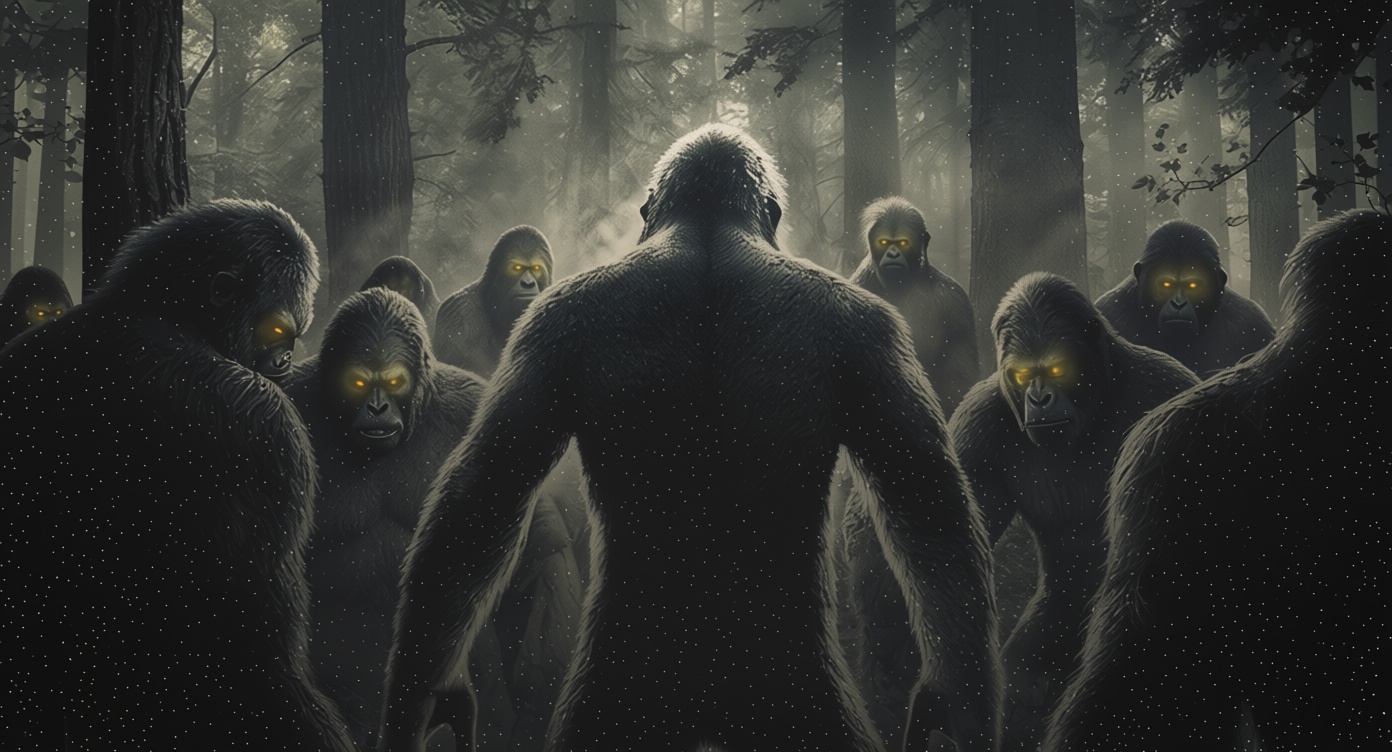
The Patterson-Gimlin film has remained one of the most enduring and controversial pieces of Bigfoot evidence for nearly six decades. Shot in Northern California and widely circulated since the late 1960s, the footage purports to show a large, ape-like figure walking through the woods. Supporters have long cited it as compelling evidence for an undiscovered primate, while skeptics have treated it as a staged deception. The renewed dispute underscores how little consensus exists around the video’s authenticity.
Pushback Against Hoax Allegations
According to Furek, the new documentary does not provide conclusive proof that the footage was fabricated. His criticism centers less on the existence of skepticism and more on the claim that the documentary overstates what can actually be demonstrated. In his view, a serious conclusion about the film’s legitimacy requires more than persuasive editing or expert commentary—it requires evidence that can withstand scrutiny.
That position reflects a familiar fault line in cryptid research: believers often argue that extraordinary claims about hoaxing should require equally strong proof, while skeptics counter that the footage has already been explained by multiple investigators over the years. Furek’s response places the burden back on those making the hoax allegation, insisting that the film should not be dismissed unless the evidence is sufficiently robust and transparent.
Demand for Scientific Scrutiny
Furek’s call for a public debate signals an effort to move the discussion away from speculation and toward a more formal evaluation of the record. He argued that the Bigfoot film should be judged using the same scientific scrutiny that skeptics apply to the original evidence. In practice, that means examining the image quality, the conditions of the filming, the chain of custody, and the competing interpretations offered by analysts over time.
The debate is likely to resonate beyond Bigfoot circles because it touches on a broader issue in paranormal media: how documentaries frame uncertainty. Even when a production presents itself as investigative, its conclusions can depend heavily on narrative structure, expert selection, and the degree to which contrary evidence is acknowledged. Furek’s challenge suggests that, in his view, the new film falls short of establishing a definitive case.
Broader Context and What Comes Next
The latest controversy arrives at a time when interest in unexplained phenomena remains high, but so does public skepticism toward bold claims. The Patterson-Gimlin footage continues to occupy a unique place in that conversation because it has never been fully resolved to everyone’s satisfaction. For believers, it remains a cornerstone of Bigfoot lore; for critics, it is a reminder of how powerful ambiguity can be in shaping public belief.
For now, the dispute appears less about a final verdict than about who gets to define the evidence. Hangar 1 Publishing and Furek are urging the conversation to remain open, arguing that the documentary’s conclusions are not final and should be tested in an open forum. Whether that leads to a formal debate or simply another round of online argument, the Patterson-Gimlin film remains exactly what it has been for decades: a flashpoint where folklore, media, and scientific skepticism continue to collide.