Overview
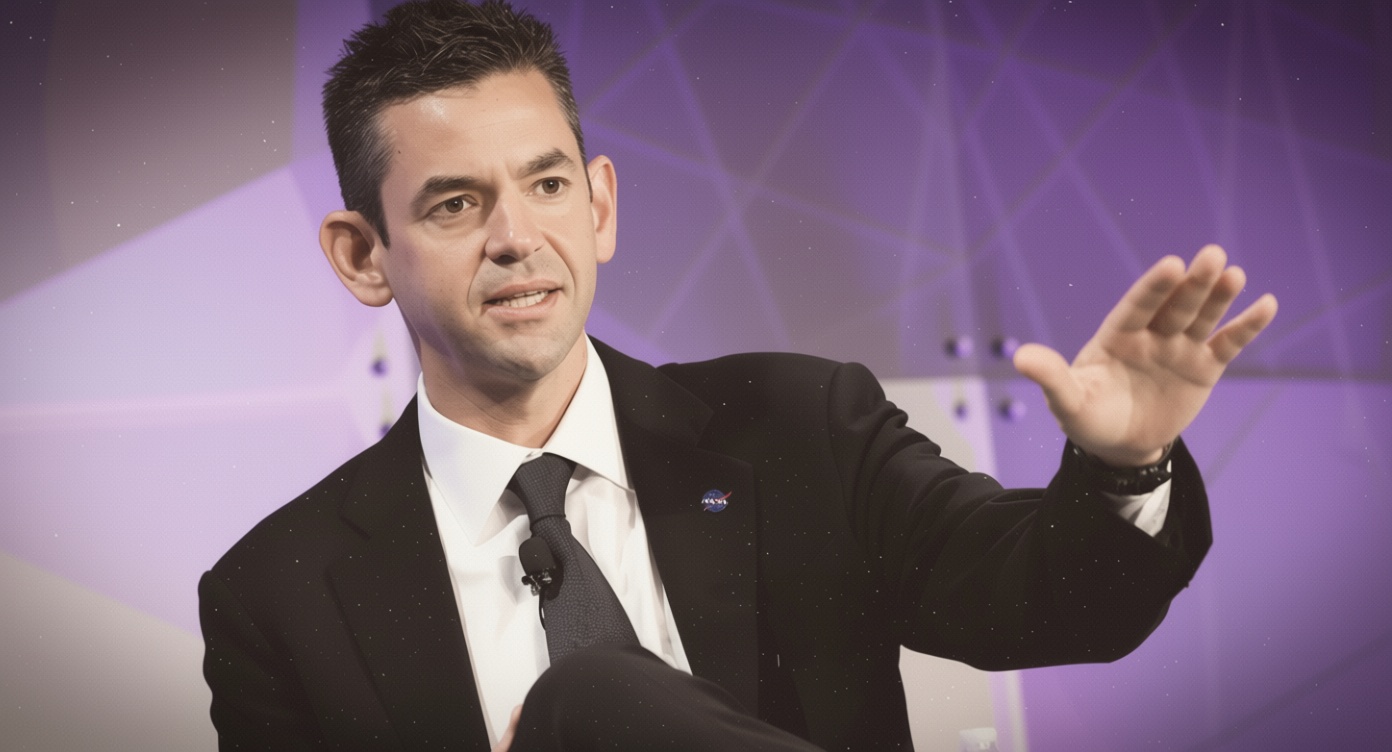
A Harvard astrophysicist says he has been asked by the government to help lead a new council focused on UFOs, or more formally UAPs — unidentified anomalous phenomena — and national security. In a recent opinion piece, he argued that the effort is meant to bring a more rigorous, scientific approach to a subject long clouded by speculation, stigma and incomplete records. Rather than treating sightings as fringe curiosities, he said the council will work to examine them as potential evidence of technology that could have serious security implications.
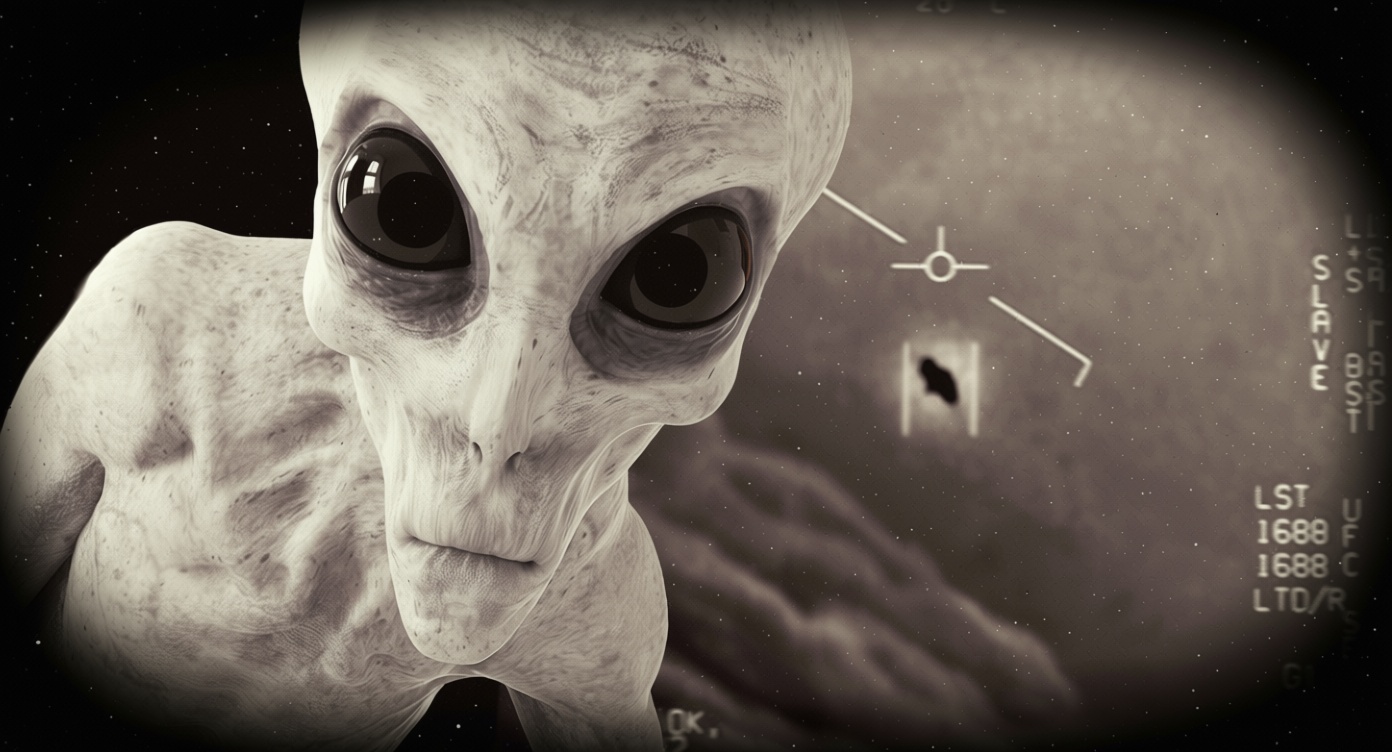
The scientist’s pitch is straightforward: many reported UAPs may not be extraterrestrial at all, but instead could represent advanced technology developed by adversarial nations. That possibility, he suggested, makes the issue relevant to military planners and intelligence officials, not just astronomers or hobbyists. The council, according to his account, will look for new evidence, revisit older cases with fresh methods and push for greater transparency about what the government knows.
A Scientific and Security Lens
The astrophysicist framed the initiative as an attempt to move the discussion beyond anecdote and toward repeatable analysis. He said the council’s goal is to gather additional records, compare witness reports with available data and reexamine historical incidents using modern scientific tools. That approach reflects a broader shift in the U.S. conversation around UAPs, where defense and intelligence agencies have increasingly acknowledged that some sightings remain unresolved even after official review.
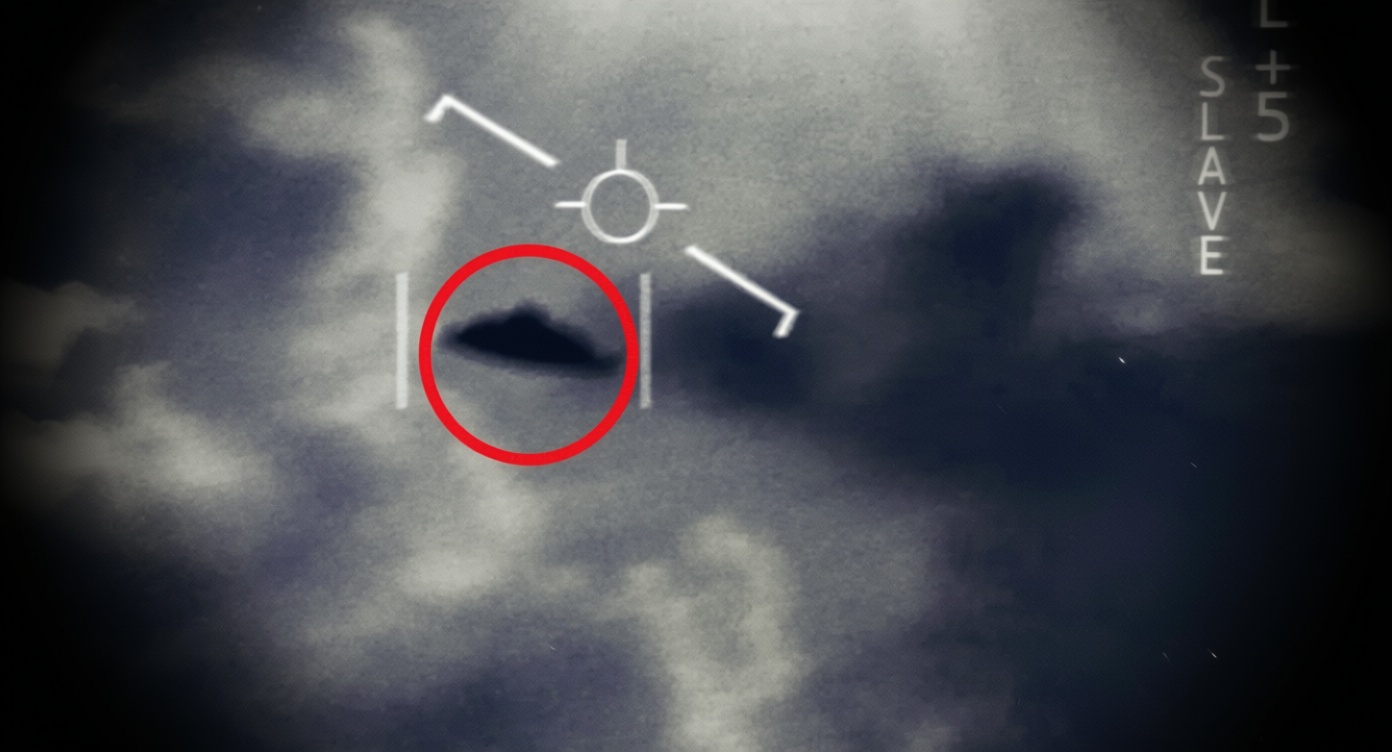
At the same time, he emphasized that unresolved does not mean unimportant. If unusual objects in restricted airspace are in fact foreign systems, then the issue becomes one of national defense and technological surprise. That argument has become more common in recent years as defense officials have warned that unknown objects can complicate air safety, surveillance and battlefield awareness. The astrophysicist’s position suggests the council will treat unexplained sightings as potential indicators of emerging capabilities, not merely scientific mysteries.
Transparency, Records and Public Findings
The council, he said, will seek access to more government records and aim to make its findings public. That emphasis on openness is notable, given decades of public skepticism toward official UFO investigations and persistent complaints that relevant information has been withheld or fragmented across agencies. By promising to share results publicly, the effort appears designed to build credibility while also encouraging outside scrutiny from researchers, journalists and the broader scientific community.
Still, the challenge will be proving that the effort can deliver concrete results. UAP investigations have often struggled with missing data, inconsistent reporting and the difficulty of distinguishing sensor error from real objects. The astrophysicist’s proposal attempts to address that gap by treating the subject as a data problem rather than a belief system. Whether it produces decisive answers remains uncertain, but the formation of a council linking UFO research to national security underscores how seriously parts of government are now taking the issue.
Broader Context
The announcement comes at a time when UAPs have moved closer to the mainstream of public policy, driven by military sightings, congressional interest and growing pressure for declassification. By placing a Harvard scientist at the center of the effort, the government appears to be signaling that it wants both scientific credibility and strategic relevance. For supporters, that could help replace speculation with evidence. For skeptics, the real test will be whether the council can separate genuine threats from misidentification — and do so in a way that the public can verify.