Overview
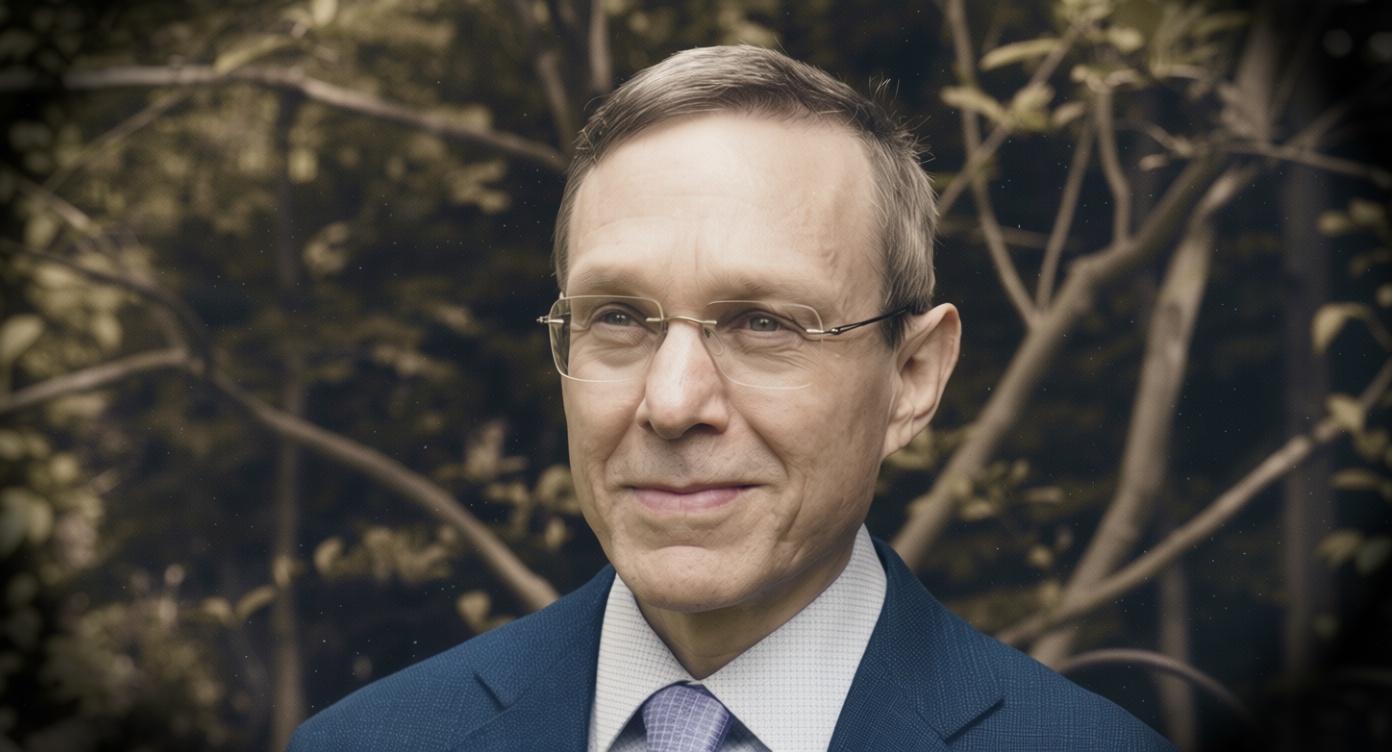
Harvard astrophysicist Avi Loeb is stepping into one of the most debated corners of modern science: the study of UFOs, now more commonly referred to as UAPs, or unidentified anomalous phenomena. NBC News highlights Loeb’s role in leading a new council dedicated to examining unexplained aerial observations with scientific rigor, a move that reflects how a once-fringe subject is increasingly being treated as a legitimate research question rather than a cultural curiosity.
Loeb has long argued that unexplained objects in the sky should not be dismissed out of hand. Instead, he says they should be measured, documented and investigated using the same methods applied to any other scientific mystery. That approach is central to the new council, which is expected to bring together experts who can evaluate data, assess sensor limitations and separate genuine anomalies from misidentification, equipment error or incomplete reporting.
Scientific scrutiny over speculation
The significance of Loeb’s appointment lies less in the existence of the council than in the signal it sends. For decades, discussion of UFOs was often shaped by anecdote, secrecy and speculation. What NBC News underscores is that Loeb wants to move the conversation into a more disciplined framework, where claims are tested against evidence and conclusions are not drawn ahead of the data.
That matters because UAP reports now come from a wider range of sources than ever before, including military personnel, pilots and advanced surveillance systems. These reports do not automatically indicate extraterrestrial origins, and Loeb has not suggested otherwise. But he has consistently argued that unexplained does not mean unscientific. By building an advisory structure around the issue, the new council could help establish standards for evaluating sightings, calibrating instruments and identifying patterns that might otherwise be missed.
Loeb’s broader mission
Loeb is no newcomer to controversy. As one of the more visible academic voices willing to discuss potentially extraordinary explanations for unusual observations, he has repeatedly challenged the scientific establishment to keep an open mind while remaining evidence-driven. His work has often centered on the idea that the universe may hold objects or events we do not yet understand, and that curiosity should not be limited by institutional discomfort.
The NBC News report places him in a familiar position: trying to make room for serious inquiry in a field burdened by stigma. His leadership of this council may help bridge the gap between public fascination and scientific credibility. For advocates of deeper study, that is an important step toward normalizing research into aerial anomalies. For skeptics, the hope is that a more formal process will reduce confusion and prevent weak claims from overshadowing stronger evidence.
A changing landscape for UAP research
The timing is notable. In recent years, interest in UAPs has surged as governments have released declassified materials, Congress has held hearings, and the Pentagon has faced increasing pressure to explain what it knows. NBC News has covered that broader trend extensively, including new releases of declassified UFO files and testimony from experts and officials. Against that backdrop, a council led by a Harvard scientist suggests the issue is no longer confined to internet forums or late-night speculation.
Still, the core challenge remains the same: extraordinary claims require extraordinary evidence. Whether the council uncovers nothing more than misidentified aircraft, sensor artifacts or atmospheric phenomena, or whether it identifies something genuinely novel, the value of Loeb’s effort may be in restoring methodological discipline to a conversation that has often lacked it. In that sense, the story is not about proving aliens exist, but about insisting that unexplained observations deserve serious, transparent examination.