Overview
The White House has created a new UFO science panel and tapped Harvard astronomer Avi Loeb to help lead it, a choice that immediately drew attention because of his long-running and often contentious public arguments about alien life and unusual cosmic objects. The move signals a more visible federal effort to study unexplained aerial phenomena (UAPs) through a scientific lens, even as debate continues over how seriously such reports should be taken and how much evidence is actually available.
Loeb, a prominent Harvard professor and former chair of the university’s astronomy department, is well known for pushing theories that many in the scientific community consider provocative or premature. He has argued that certain interstellar objects and other unexplained events could, in some cases, warrant consideration as possible technological artifacts rather than purely natural phenomena. Supporters say that approach reflects intellectual openness; critics say it risks blurring the line between speculation and evidence. His appointment to the White House-backed panel ensures the issue will be examined by a figure who is both highly credentialed and deeply polarizing.
Why the appointment matters
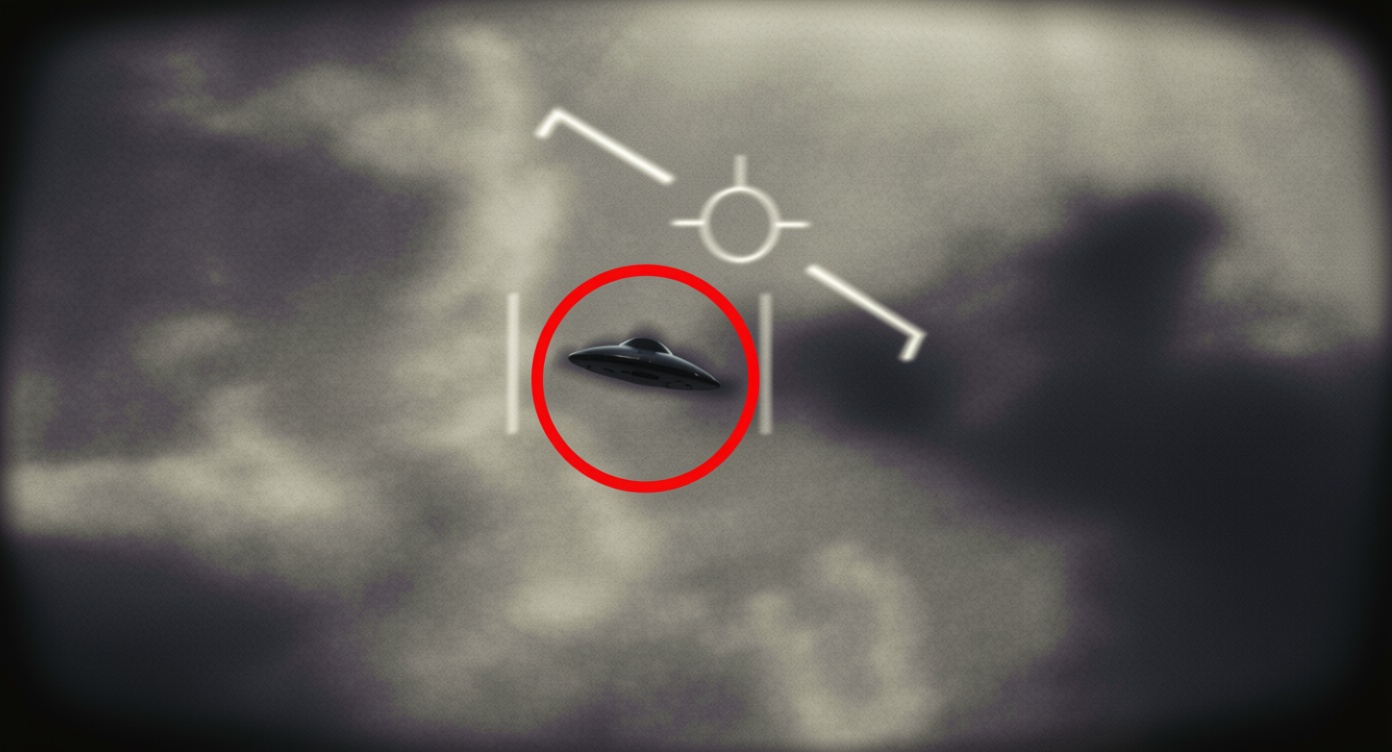
The decision to place a controversial academic at the center of a federal UFO review is notable because it suggests the White House wants the panel to carry real scientific credibility, not merely serve as a political or public-relations gesture. UAPs have moved steadily from fringe fascination into mainstream policy discussions in recent years, driven by military sightings, congressional hearings, and growing calls for transparency from lawmakers and former defense officials. By choosing a high-profile scientist, the administration appears to be signaling that the subject will be treated as a research question, not just a cultural curiosity.
That said, the selection may also expose the White House to criticism from both sides. Enthusiasts for expanded UAP research may welcome Loeb’s willingness to entertain unconventional explanations, while skeptics may worry that his presence could lend undue legitimacy to weak claims. The tension reflects a broader challenge for any government panel studying unidentified objects: most reports are ambiguous, many are explained only after further review, and the strongest cases often lack complete data. A credible scientific process will require careful standards, transparent methods and restraint in drawing conclusions.
Broader context and implications
The panel’s formation comes amid a broader federal rethinking of how the U.S. handles UAP reports, especially those involving military personnel, radar data and potential airspace safety concerns. What once might have been dismissed as anecdotal sightings is now often framed as a matter of national security, aviation safety and scientific investigation. Even without evidence of extraterrestrial origin, unexplained incidents can still raise legitimate questions about drones, sensors, classified technologies or foreign surveillance.
For the White House, the decision to elevate the issue through a formal science panel could help shape the public narrative around transparency and inquiry. For Loeb, it offers a platform to advance a view that science should remain open to extraordinary possibilities when evidence demands it. Whether the panel ultimately produces breakthrough findings or only a more disciplined framework for evaluating reports, the appointment ensures that the UAP debate will remain in the spotlight—and that it will do so with one of the field’s most controversial voices at the center.