Overview
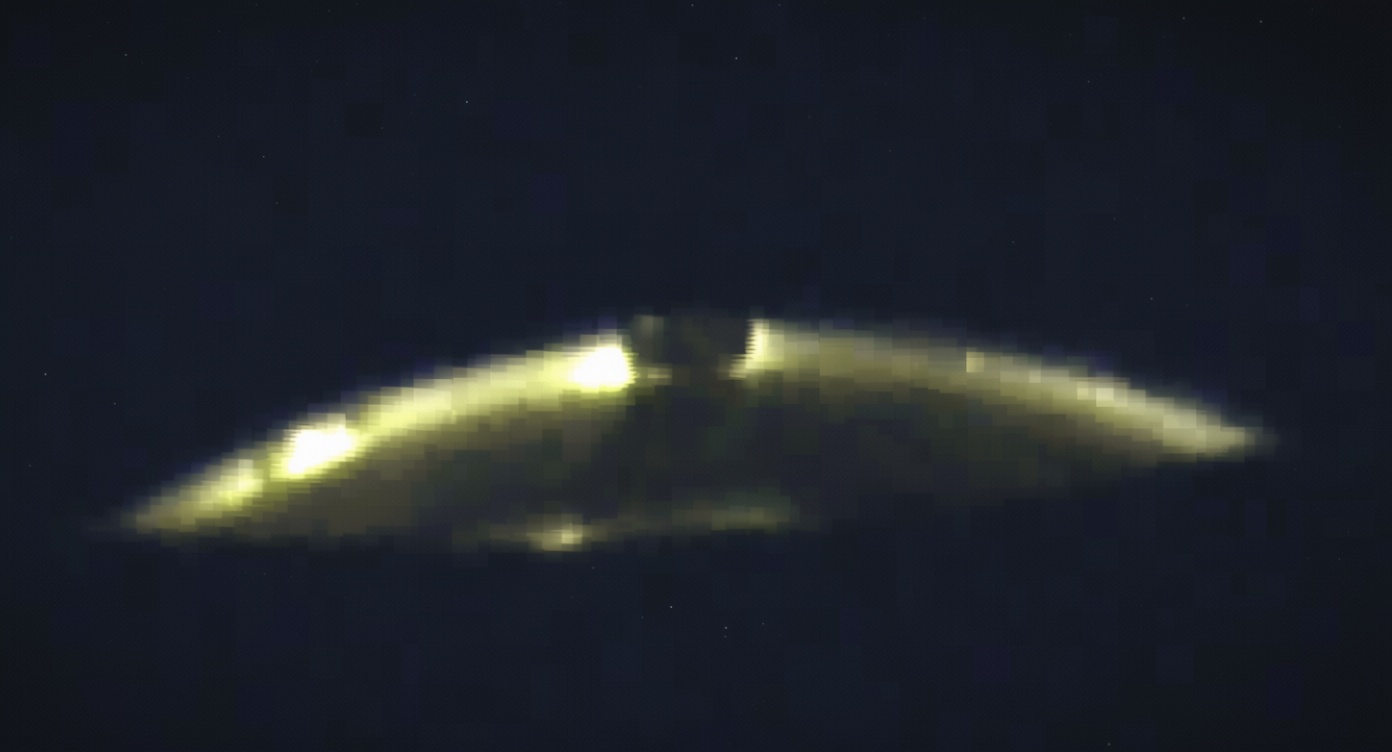
A slow but unmistakable UAP disclosure process is continuing to unfold in the United States, driven by a mix of congressional pressure, declassified records and a growing number of former military and intelligence officials speaking publicly about unexplained aerial encounters. Recent commentary on the subject argues that while the government is now releasing what many observers consider underwhelming files under legal mandate, the larger story is how the issue has moved from the margins into mainstream media coverage, with outlets such as the New York Times giving serious attention to former Pentagon figures like Luis Elizondo.
That shift has helped turn once-fringe UFO conversations into a more conventional public-policy debate. But the same commentary also cautions against overly simple narratives about who is “driving” disclosure. In its view, the real picture is messier: decades of secrecy, selective leaks and competing agendas have shaped the subject long before today’s headlines. The result is a disclosure landscape that is advancing, but unevenly and often without clear institutional transparency.
Elizondo, media scrutiny and the limits of anonymous claims
Much of the current debate still centers on Elizondo, the former counterintelligence officer who says he worked on the Pentagon’s Advanced Aerospace Threat Identification Program and later became a central figure in the 2017 Times report that brought renewed legitimacy to the topic. Supporters credit him with helping push UAPs into a more serious public conversation, including participation in the release of the now-famous military videos. Critics, however, continue to question both his background and his claims, a skepticism amplified by the fact that he came from the intelligence world.
That skepticism sharpened after NewsNation aired an interview with a semi-anonymous online figure known as UAPGerb, identified only as “Sam,” who alleged that Elizondo’s current role was part of a “controlled narrative.” The commentary sharply criticized the segment as lacking hard evidence and relying too heavily on hearsay. It argued that if someone is making potentially career-damaging allegations on television, journalism demands more than a partial identity and speculative claims. Elizondo himself rejected the interview’s premise, calling it “gossip” and describing Gerb as a liar in his response.
Hillary Clinton, Tom DeLonge and the longer history of disclosure
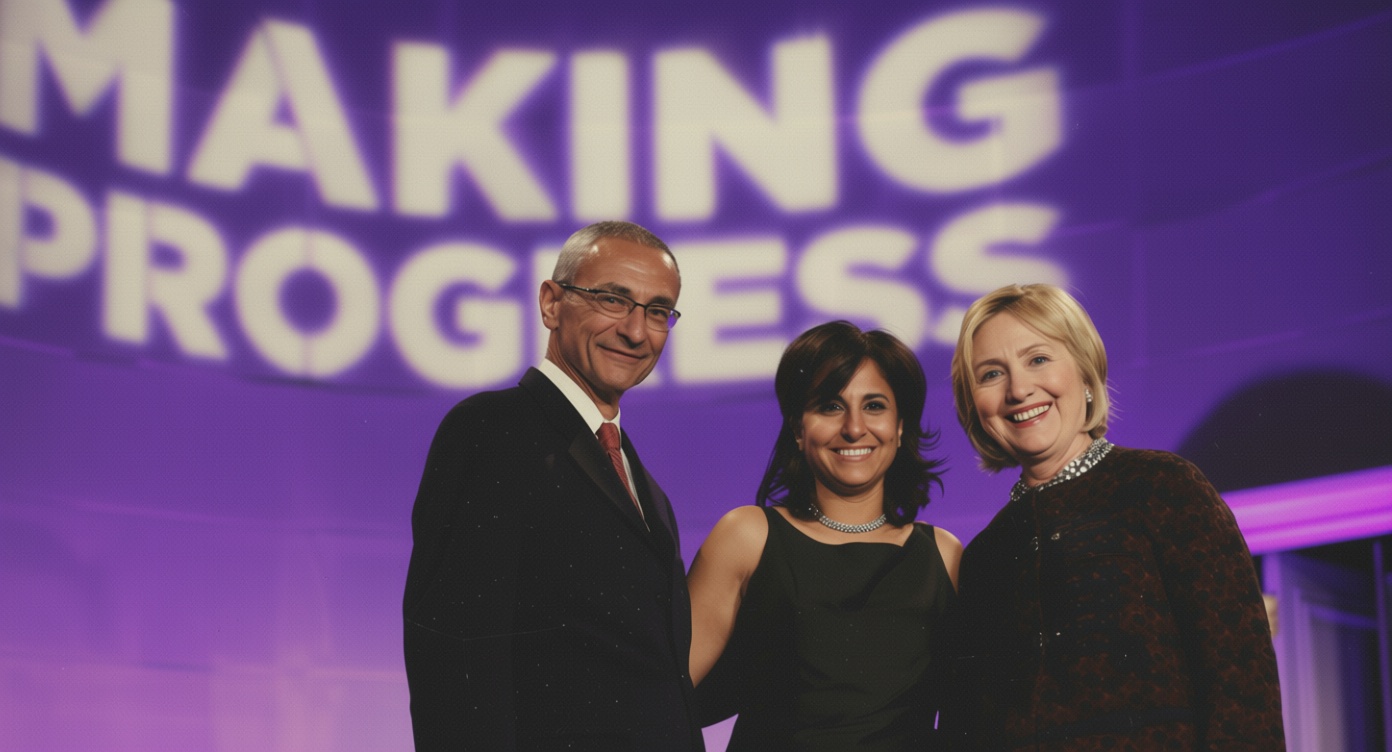
The story also reaches back to earlier moments when mainstream political and cultural figures helped normalize UFO talk. Hillary Clinton became part of the broader disclosure conversation during her 2016 campaign, when she signaled interest in government records related to unidentified aerial phenomena. Meanwhile, Tom DeLonge, the musician-turned-UFO advocate, helped create a bridge between civilian enthusiasm and official circles through his work with To the Stars Academy, which sought to combine entertainment, research and national-security expertise.
Those figures matter because they illustrate how disclosure has never been driven by one camp alone. It has involved politicians, journalists, defense insiders, researchers and media personalities, each with different motives and levels of credibility. Some observers argue that this long-running structure was shaped not just by curiosity about the unknown, but by national security networks and ideological hard-liners who managed the issue across administrations. In that telling, today’s openness is less a clean break than the latest phase in a very old and highly controlled story.
A disclosure era still defined by uncertainty
What emerges from the current debate is not a definitive answer about UFOs, but a clearer picture of the politics surrounding them. The government is disclosing more than it once did, but often reluctantly and in fragments. Journalists are paying greater attention, but the line between reporting and speculation remains thin. And the public still has to sort out which claims are evidence-based, which are aspirational and which are simply noise.
For now, the UAP conversation appears to be moving forward on two tracks at once: one official, through records releases and congressional oversight; the other cultural, through whistleblowers, television appearances and the persistent influence of figures like Clinton and DeLonge. The challenge is that greater visibility has not yet produced greater clarity.