Overview
Artificial intelligence is changing how supernatural stories are created, presented and discovered online, according to reporting by The Guardian. The publication’s investigation, “Ghost in the machine: how AI is haunting the search for the supernatural,” examines how generative systems can produce convincing accounts of hauntings and accompanying images, making fabricated encounters easier to circulate and harder for audiences to distinguish from claims based on firsthand experience.
The development adds a new layer of uncertainty to an area already defined by disputed evidence. Alleged hauntings commonly rely on personal testimony, photographs, recordings or stories passed through local communities—materials that are often ambiguous and difficult to verify independently. AI-generated content can reproduce the familiar language, atmosphere and visual cues of paranormal accounts while presenting no genuine event behind them.
AI and the online supernatural
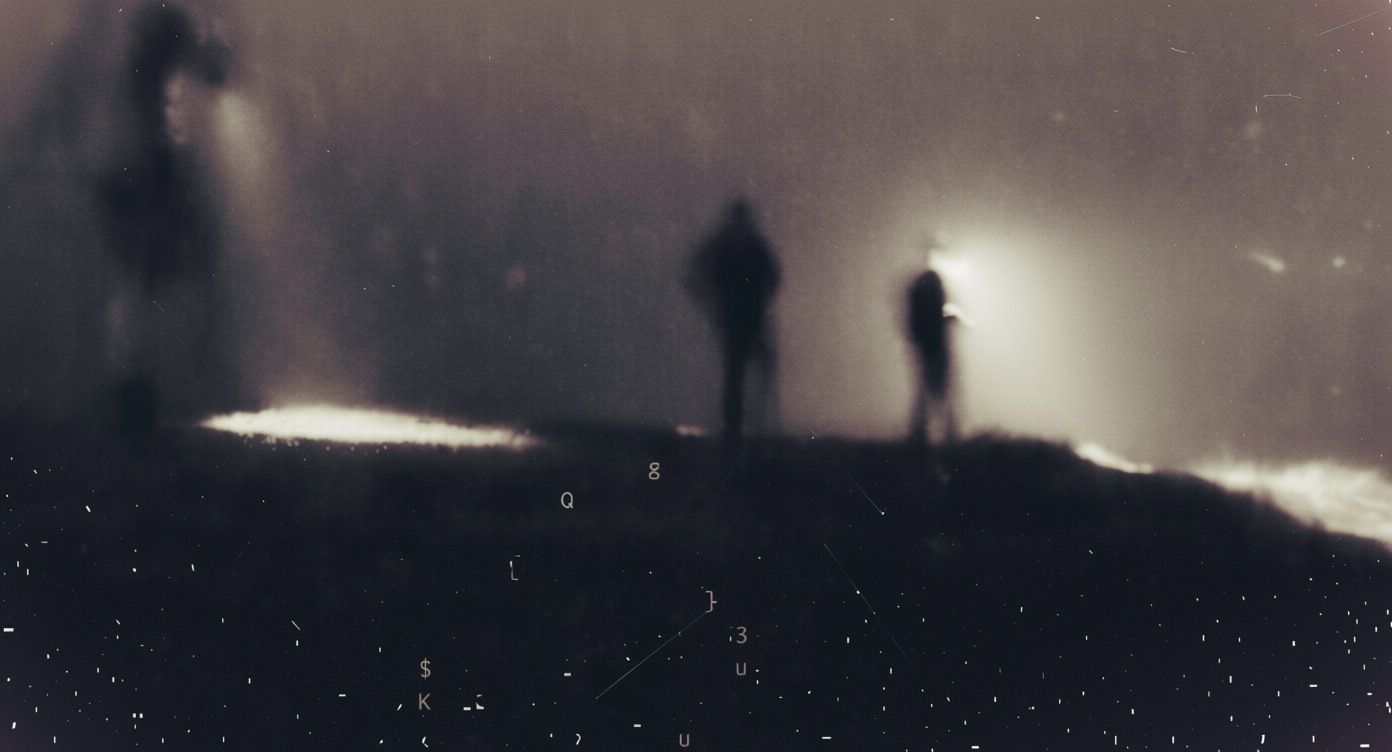
AI tools can now generate narratives describing apparitions, unexplained sounds and supposedly haunted locations in seconds. They can also create images designed to resemble photographs or documentary evidence, including shadowy figures, distorted faces and dimly lit interiors. The result is not necessarily a new haunting, but a highly accessible simulation of one.
That distinction matters because online platforms frequently reward content that is dramatic, emotionally engaging or visually striking. A fabricated image or story may attract more attention than a cautious account acknowledging uncertainty. As AI-generated material becomes more widespread, it could overwhelm searches and social-media discussions about alleged real-world incidents, making it more difficult to trace the origin of a claim or assess whether an image documents an event at all.
The Guardian’s report frames the issue as a challenge to the already fragile boundary between storytelling and evidence. AI does not need to establish that ghosts exist to influence public perceptions; it only needs to generate material that appears plausible enough to be shared. Repetition can give invented details an appearance of credibility, particularly when posts are copied across websites without clear disclosure of their origins.
The rise of AI-generated psychic readings
A related report examines the growing use of AI systems for psychic-style readings. These services may produce personalized interpretations about relationships, personal decisions or future events, but their responses do not come from supernatural perception or an independent source of hidden knowledge. Instead, they are generated from information supplied by the user and from patterns learned by the system.
In practical terms, an AI “reading” reflects the prompt, profile details and conversational cues it receives. Its apparently specific language can therefore feel meaningful without demonstrating extrasensory abilities. The technology may be able to produce empathetic, confident or symbolic responses, but those qualities should not be confused with evidence that it can communicate with spirits, predict the future or access information beyond the user’s input.
Why transparency matters
The spread of AI-generated paranormal content raises questions for platforms, creators and audiences. Clear labeling would help users distinguish fictional entertainment from purported evidence, while reverse-image searches and examination of original upload dates may offer useful—though not infallible—ways to investigate suspicious material. Users should also be cautious about entering sensitive personal information into automated psychic or advice services.
The broader lesson is that AI can amplify belief without independently confirming the claims it presents. Whether the subject is a haunted house, a ghost photograph or a psychic prediction, persuasive wording and imagery are not substitutes for corroboration. As these tools become more capable, careful sourcing and explicit disclosure will be increasingly important to prevent generated fiction from being mistaken for supernatural evidence.