Overview
CNET’s latest UAP-focused analysis raises a question that has hovered over the subject for decades: if a future “Disclosure Day” ever arrives, what would actually count as convincing evidence? The piece frames disclosure not as a single dramatic revelation, but as a credibility problem. In a field shaped by classified programs, anonymous claims, blurry footage, and years of public skepticism, simply releasing information would not automatically make it trustworthy.
The article suggests that the central challenge is not whether UFOs or UAP exist as reported phenomena, but how the public could verify the evidence presented. That distinction matters. A government acknowledgment, a whistleblower statement, or a new set of videos may generate headlines, but without rigorous documentation and independent analysis, such evidence could remain open to dispute. The result is a familiar dilemma in UFO reporting: extraordinary claims can spread quickly, while proof often lags behind.
The Problem With Trust
The credibility issue is amplified by the long history of misinformation around the topic. UFO evidence has often circulated without clear provenance, making it difficult to determine where a photo, recording, or sensor readout came from, who handled it, or whether it was altered. The article points to a broader cultural problem as well: secrecy and stigma have left gaps in the historical record, while weak documentation has made it easier for both believers and skeptics to argue their preferred interpretation.
That creates a uniquely unstable environment for public understanding. If a future disclosure effort includes files that are incomplete, heavily redacted, or selectively released, the public may be left with more questions than answers. Even genuine evidence can lose force if it cannot be independently checked. In that sense, the article argues that trust is not created by the existence of evidence alone, but by the standards used to evaluate it.
What Verification Would Require
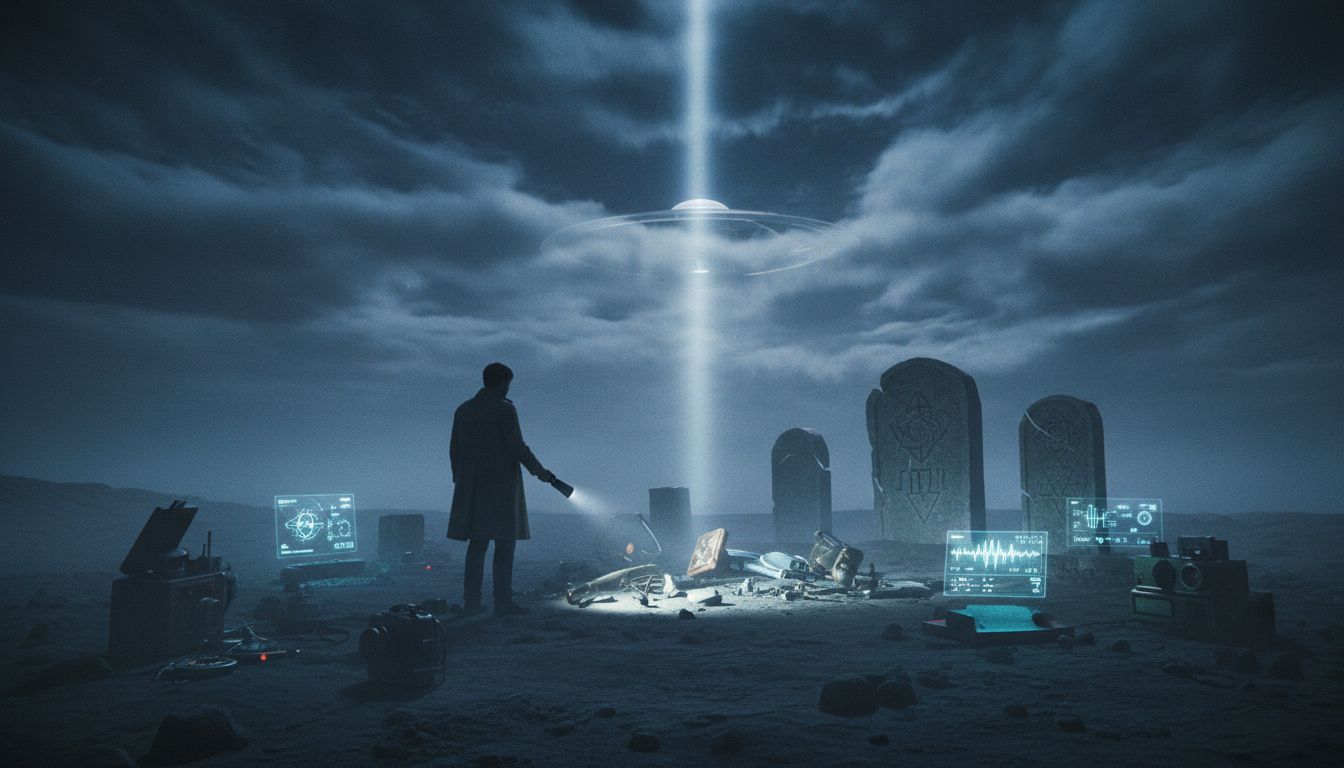
The article’s core question is what those standards should look like. In practical terms, credible UAP evidence would need far more than a compelling narrative. It would require clear chain-of-custody records, original data files, metadata, and transparent explanations of how the material was collected and processed. Ideally, multiple independent sources—such as radar, infrared, visual footage, and eyewitness accounts—would converge on the same event.
Just as important is the need for outside scrutiny. Scientists, data analysts, and investigators would need access to raw material that can be tested for tampering, sensor artifacts, or misidentification. If disclosure were handled only through curated summaries or official statements, the public would have little basis for confidence. The article effectively argues that any serious disclosure effort would need to be built around verification, reproducibility, and openness to challenge.
Why It Matters
The piece ultimately frames Disclosure Day as a test not only of evidence, but of institutions. If governments or other authorities want the public to believe future UAP claims, they will need to overcome decades of secrecy, rumor, and inconsistent reporting. That means establishing standards before any major announcement is made—not after.
In the end, CNET’s question is less about whether disclosure will happen than whether the public could ever trust it if it did. For a subject so deeply entangled with uncertainty, the answer may depend on whether evidence is presented as a revelation or as a case that can actually be examined.