Overview
A recent episode of In Search of Aliens revisits Malta’s prehistoric monuments and alleged “Cyclops” mysteries, combining archaeological evidence with speculative theories about lost civilizations and extraterrestrial influence. The program also references the Pentagon’s acknowledgment of a previously secret UFO investigation, placing Malta’s ancient remains within a broader discussion of unexplained phenomena. However, archaeologists and museum officials featured in the report distinguish between documented evidence and interpretations that remain unverified.
Malta, an island of approximately 122 square miles, contains more than 33 known megalithic sites, including at least seven major prehistoric temple complexes. Some of the structures feature exceptionally large limestone blocks, leading theorists to describe them as among the world’s largest free-standing stones. Archaeological research generally attributes the temples to Malta’s Neolithic communities, which flourished thousands of years before the better-known civilizations of classical antiquity.
The Hal Saflieni Hypogeum
The investigation focuses particularly on the Hal Saflieni Hypogeum, an underground temple and burial complex discovered in 1902. Unlike Malta’s above-ground megalithic structures, the Hypogeum was carved into limestone and contains multiple chambers, corridors and ritual spaces. Mario Casha of Heritage Malta notes that the site is unique among the island’s megalithic locations because it is entirely underground.
Early excavations reportedly uncovered the remains of approximately 7,000 individuals. A 1920 article in National Geographic Magazine referred to Malta’s prehistoric inhabitants as a “long-skulled people,” a description that later became central to alternative theories about the island’s past. Giorgio A. Tsoukalos, an ancient-astronaut theorist featured in the program, also points to reports that many remains were moved or lost during the Second World War, limiting the evidence available for contemporary study.
The Skull Debate
Vanessa Ciantar, a curator at Malta’s National Museum of Archaeology, shows several skulls associated with the Hypogeum and dating to roughly 5,000 years ago. Some appear elongated, a feature that can result from intentional cranial modification, a practice documented in numerous ancient societies. Such shaping was sometimes associated with identity, social status or religious tradition.
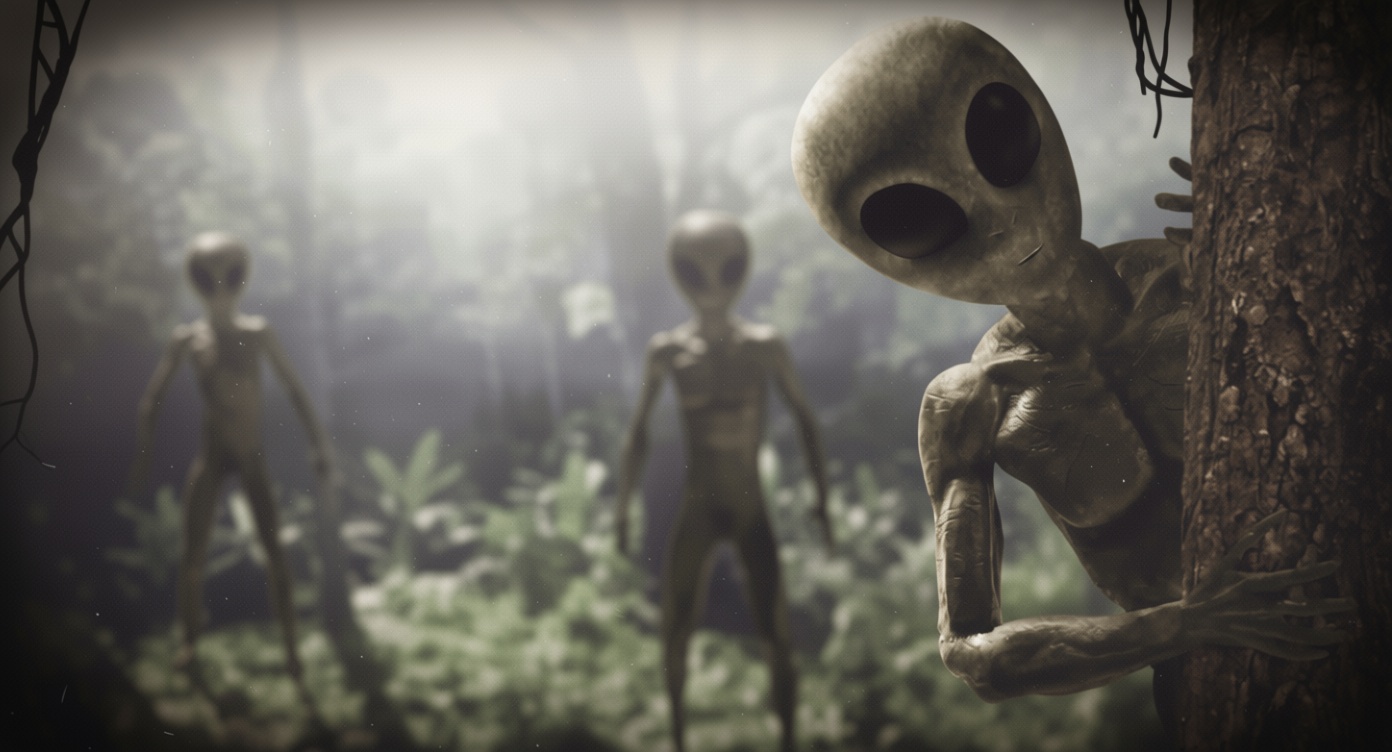
The program highlights one skull that appears to lack a visible sagittal suture, the fibrous joint separating the two parietal bones. In most people, this suture gradually closes with age, although the timing and appearance can vary. The report presents the apparent absence as an anomaly and uses it to raise questions about whether the remains represent an unusual population. There is no established scientific evidence, however, that the skulls are nonhuman or evidence of extraterrestrial-human hybrids.
Cyclops Claims and Research Limits
The episode links Malta’s elongated skulls to the Cyclops of Homer’s Odyssey, written in the eighth century B.C., and to broader claims involving the Nephilim or a lost race of giants. These connections are speculative. No archaeological evidence has demonstrated that the Cyclops were historical beings or that Homer’s myth was based on Malta’s prehistoric population.
Modern DNA testing could potentially clarify the remains’ ancestry, but museum officials say reliable analysis is complicated by decades of handling and preservation with Plaster of Paris. The resulting contamination makes genetic sequencing difficult. The Pentagon reference provides a separate modern context: U.S. officials acknowledged a formerly classified program that examined reports of unidentified aerial phenomena, but that acknowledgment does not establish a connection between UFO reports and Malta’s ancient remains. For now, Malta’s temples and burials remain important archaeological evidence, while the claims of aliens, giants and Cyclops continue to be matters of interpretation rather than demonstrated fact.