Overview
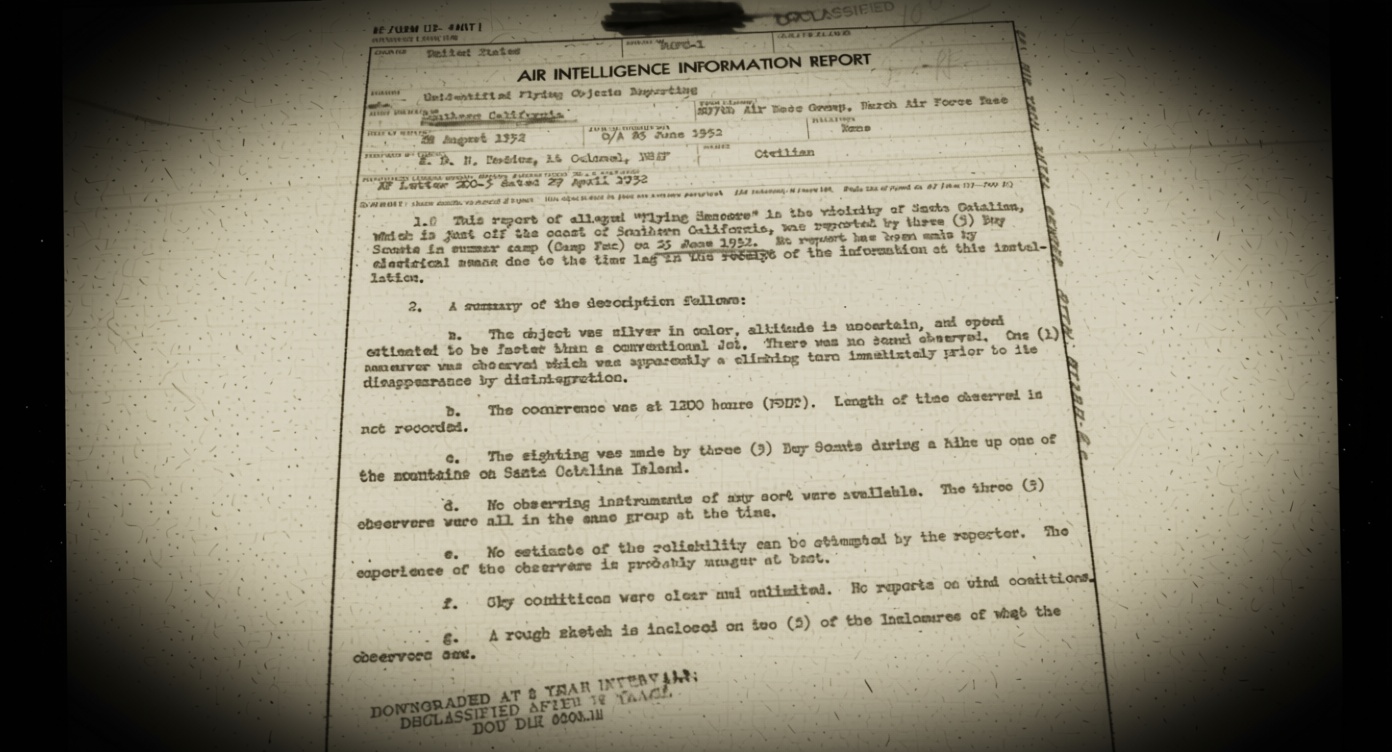
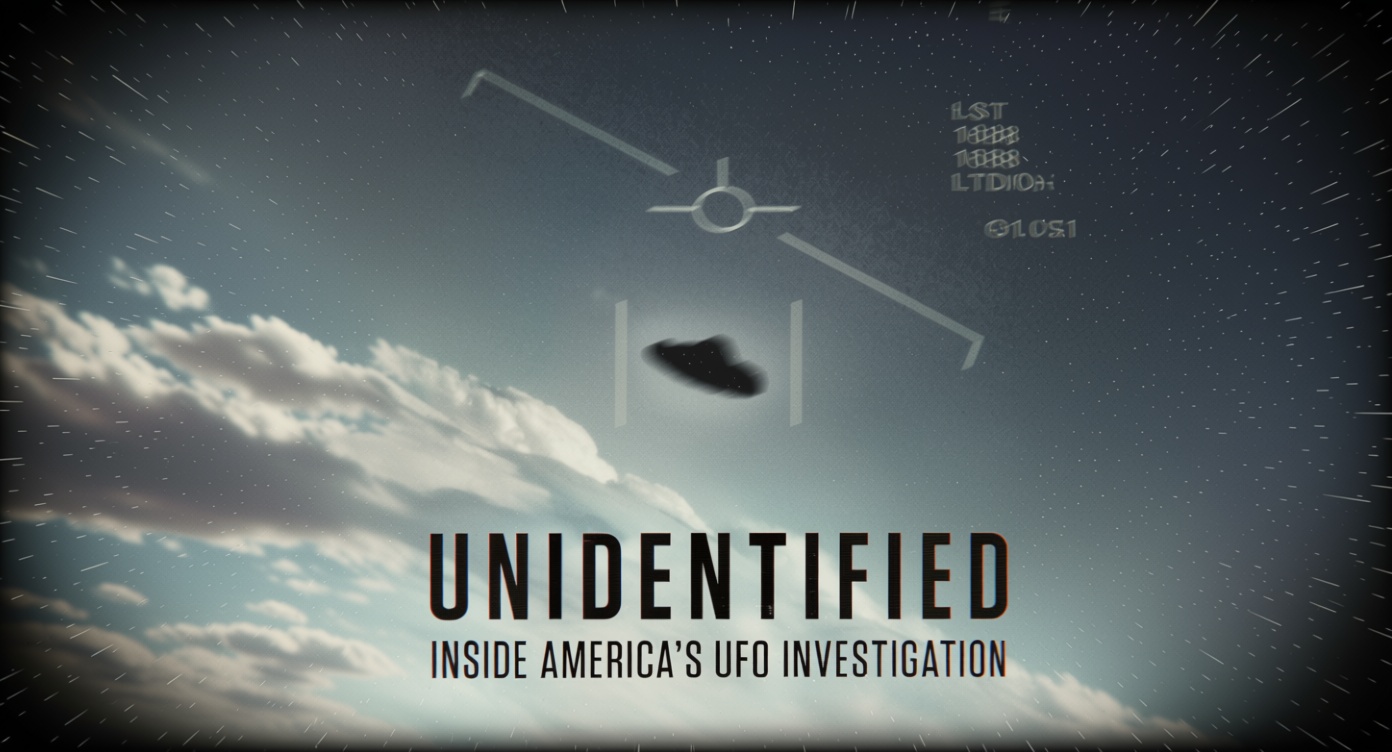
A program titled “Inside America’s Investigation into Unidentified Flying Objects” examines how reports of unusual objects in the sky are collected, assessed and interpreted in the United States. According to the available program summary, the investigation brings together video evidence, reported patterns, geographic coordinates and eyewitness testimony to explore what these observations may represent.
The program’s focus reflects a broader shift in the way unidentified aerial sightings are discussed. Once largely associated with speculation about extraterrestrial life, the subject is now also treated as an issue involving aviation safety, national security, military operations and the limits of available data. The term unidentified aerial phenomena, or UAP, is increasingly used in official and journalistic settings because it describes an observation without presuming its origin.
Evidence and Testimony
The investigation is presented as a combination of several forms of evidence. Video recordings may offer visual clues about an object’s apparent movement, shape or brightness, but footage alone often cannot establish distance, speed or scale. Camera artifacts, atmospheric conditions, sensor limitations and compression can also affect how an event appears.
Eyewitness testimony provides another important element. Pilots, military personnel and members of the public may describe unusual lights or objects, including their direction of travel, duration and apparent behavior. Such accounts can help investigators identify recurring features, but recollections can also be influenced by limited viewing time, perspective and uncertainty. The program’s use of testimony alongside recordings and location data suggests an effort to compare individual reports rather than treat any single account as conclusive.
Patterns and Coordinates
The inclusion of coordinates and reported patterns is significant because location can help determine whether sightings are connected to known activity. Investigators may compare reports with air-traffic routes, military training areas, weather conditions, satellite launches, commercial aircraft and other potential explanations.
Geographic clustering, however, does not necessarily prove that the same phenomenon is being observed repeatedly. Areas with more observers, heavier air traffic or greater military activity are also more likely to produce reports. Establishing a meaningful pattern requires consistent information about time, altitude, direction, weather and the equipment used to make the observation.
What the Observations May Represent
The program centers on the unresolved question of what these observations actually are. Possible explanations can include conventional aircraft, drones, balloons, satellites, atmospheric effects, optical illusions or errors involving sensors and human perception. In some cases, investigators may be unable to reach a firm conclusion because the available evidence is incomplete.
That uncertainty is central to the UAP issue. “Unidentified” does not mean extraterrestrial, nor does it automatically indicate advanced technology. It means that the available information has not yet established a reliable identification. A credible investigation therefore depends on separating documented observations from interpretation and clearly distinguishing confirmed facts from unanswered questions.
Source and Context
The program is listed on the Go3 platform as “Unidentified: Inside America’s UFO Investigation.” The source page supplied for review was protected by a security-verification screen and did not provide access to the full episode, transcript or individual interview statements. As a result, specific claims, footage and testimony described in the broadcast could not be independently assessed from the page itself.
The available description nevertheless indicates an investigation built around evidence and competing explanations rather than a single definitive conclusion. Its broader significance lies in showing how authorities, researchers and witnesses attempt to analyze unusual aerial reports while acknowledging the limits of the record. Until sightings are supported by verifiable, high-quality data, the most responsible conclusion is that they remain unresolved observations—not proof of any particular origin.