Overview
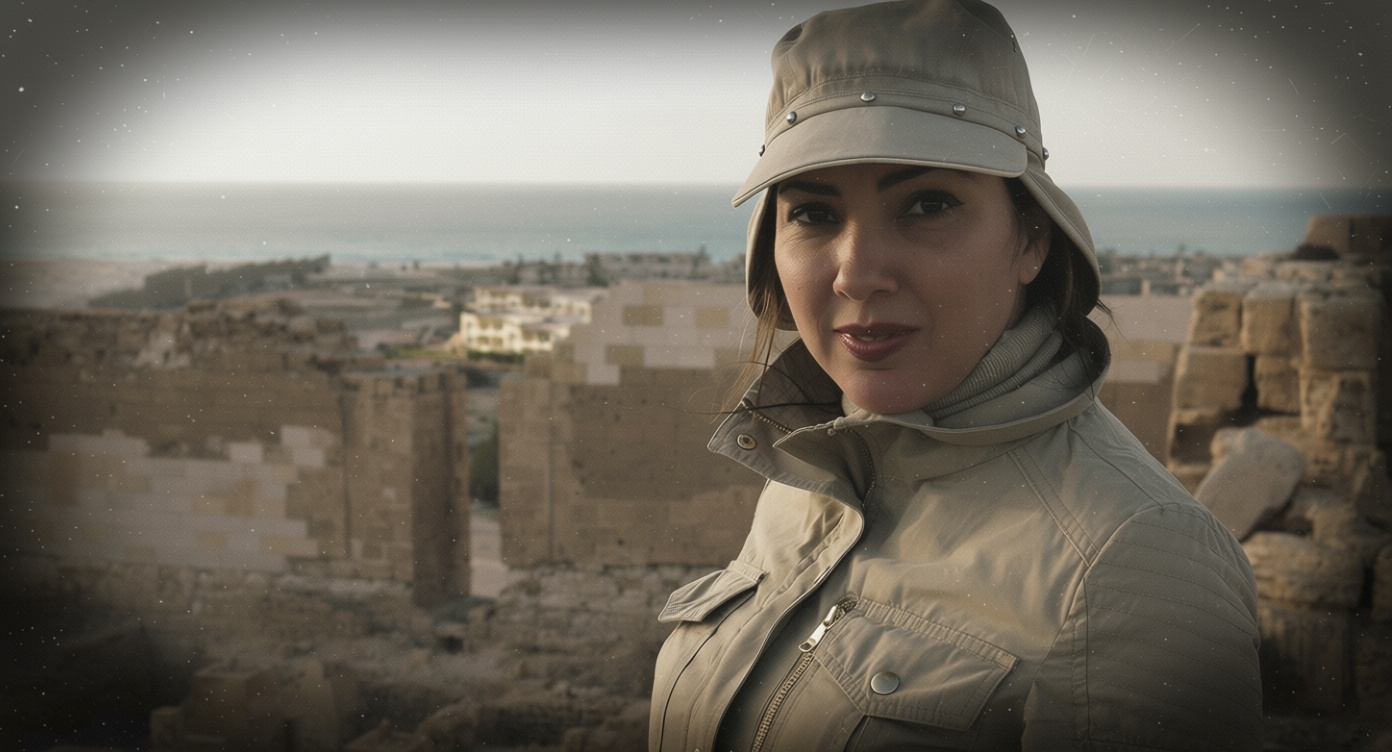
Archaeologists working at the ancient Egyptian site of Elkab have uncovered a set of previously unknown rock art inscriptions that researchers say may represent the earliest monumental Egyptian hieroglyphs ever found. The discovery, made by a joint expedition from Yale University and the Royal Museums of Art and History in Brussels, includes inscriptions dating back as far as 4,000 BCE—more than 1,000 years before the Great Pyramid of Giza was built. While not the first examples of this early style of rock art, the find is significant because of its scale, age, and the light it sheds on the formative stages of Egypt’s writing system.
What the Archaeologists Found
The inscriptions were located at El-Khawy, part of the broader Elkab region in southern Egypt, and were not previously recorded by any scientific expedition. According to the research team, the newly identified rock art preserves some of the largest and earliest signs associated with the development of hieroglyphic writing. Yale professor John Coleman Darnell, who leads the expedition and co-directs the Elkab Desert Survey Project, said the discovery was unexpected. “This was not what I was expecting to find when I set out on this period of work on the expedition,” he said. “It was completely shocking to me.”
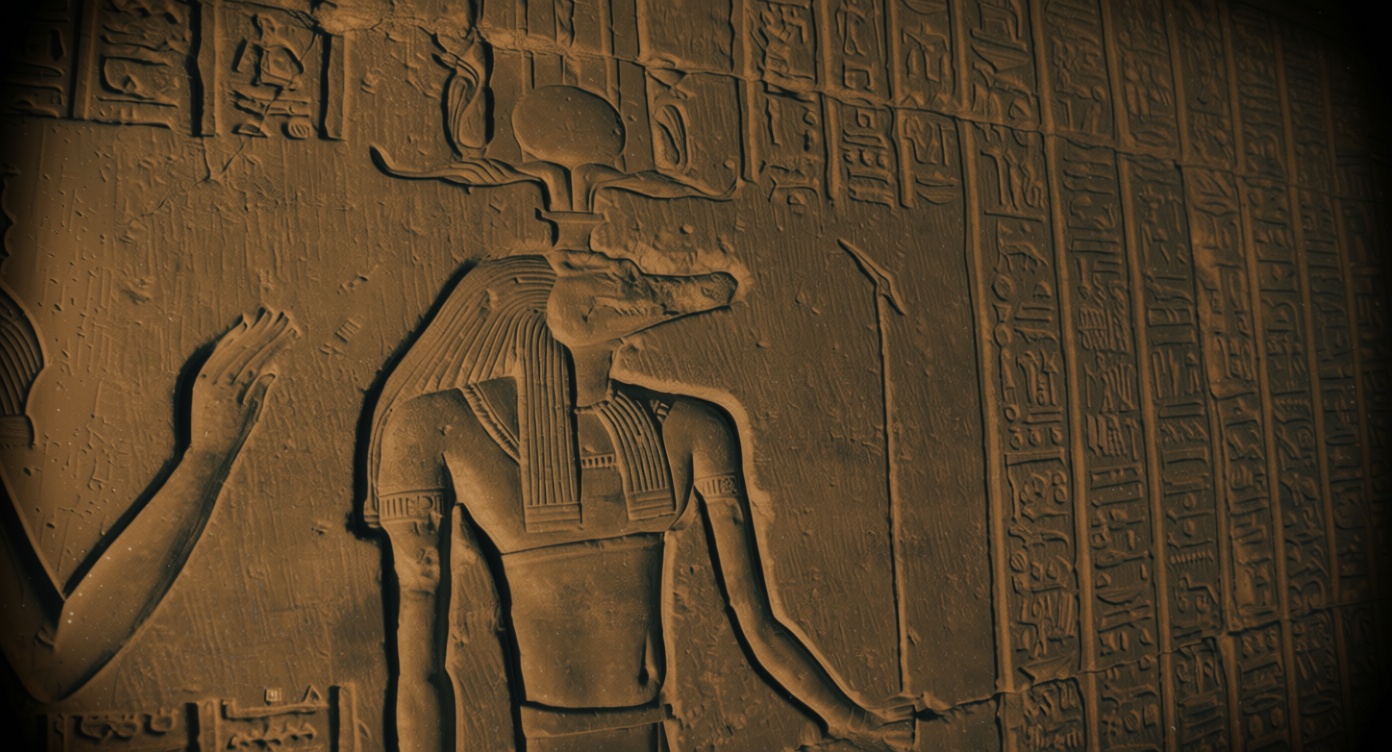
The team says the inscriptions are important not simply because they are old, but because they appear to document a key moment in the evolution of Egyptian visual language. In a Yale statement announcing the find, Darnell described the rock art as evidence from the “formative stages of the hieroglyphic script” and emphasized that it offers rare insight into how ancient Egyptians developed a writing system that would later become one of the most recognizable in the world.
Why the Find Matters
The discovery adds to a growing understanding that Egyptian hieroglyphs did not emerge fully formed. Instead, they appear to have developed gradually from earlier symbolic and artistic traditions, including monumental markings carved into rock surfaces. The newly found inscriptions may help scholars track how these early symbols moved from local or ceremonial expression into a more standardized writing system used for administration, religion, and state power. That matters because writing was central to the rise of early Egyptian civilization, helping consolidate political authority and preserve religious ideas across generations.
Technology and Documentation
To document the site, Darnell and Alberto Urcia, a digital archaeologist and associate research scientist in Yale’s Department of Near Eastern Languages and Civilizations, created 3D images of the inscriptions. Darnell said the technology has transformed how archaeologists record ancient sites, allowing them to capture details “at a level of accuracy and detail that was absolutely impossible before.” He also noted that this approach lets researchers preserve the context of the location itself, “not just as a series of inscriptions,” but as part of a broader archaeological landscape.
Broader Context
The expedition was carried out in cooperation with Egypt’s Ministry of Antiquities and the Aswan and Edfu inspectorates, underscoring the collaborative nature of modern fieldwork in the region. While the find is likely to fuel public fascination with ancient Egypt, the researchers’ emphasis remains firmly on evidence rather than speculation. For historians of writing, the discovery offers a valuable new data point in understanding how one of humanity’s most important communication systems took shape—long before the pyramids rose on the Giza plateau.