Overview
An Italian-language blog, Mondo Arcano (“Arcanum Mundi”), is drawing attention for its wide-ranging coverage of UAP sightings, disclosure efforts, ghosts, extrasensory perception (ESP), and other unexplained mysteries, including theories tied to the multiverse. The site presents itself as a space where curiosity about anomalous phenomena meets historical research, philosophical reflection, and field investigation. In recent posts, the blog has highlighted updates on government-related files, alleged alien encounters, and paranormal cases examined with the Mystery Investigation & Research (MIR) team.
The blog’s tone reflects a common approach in contemporary anomaly reporting: it does not focus solely on one category of the unexplained, but instead connects the dots between modern UAP discourse and older questions about consciousness, fate, and reality itself. By framing these subjects together, Mondo Arcano positions itself not simply as a repository of sensational claims, but as a forum that attempts to contextualize mysteries within broader intellectual traditions.
A Blend of UAPs, Paranormal Inquiry and Disclosure
Among the subjects emphasized by the blog are recent UAP sightings and the evolving disclosure debate, a topic that has gained momentum in recent years across Europe and North America. Mondo Arcano also references ghosts, ESP, and paranormal investigations, suggesting a deliberately expansive editorial scope. This blend reflects the way many independent mystery platforms now operate: instead of separating UFO research from other anomalous claims, they present them as overlapping manifestations of a larger unknown.
The site also points readers to a podcast on YouTube dedicated to the same subject matter, broadening its reach beyond written posts. That audio component, produced with MIR, indicates an effort to build an ongoing investigative brand around unexplained phenomena rather than isolated articles. For followers of the field, such platforms often serve as informal hubs where sightings, theories, and historical references are discussed in one place.
Philosophy, Physics and the Question of Chance
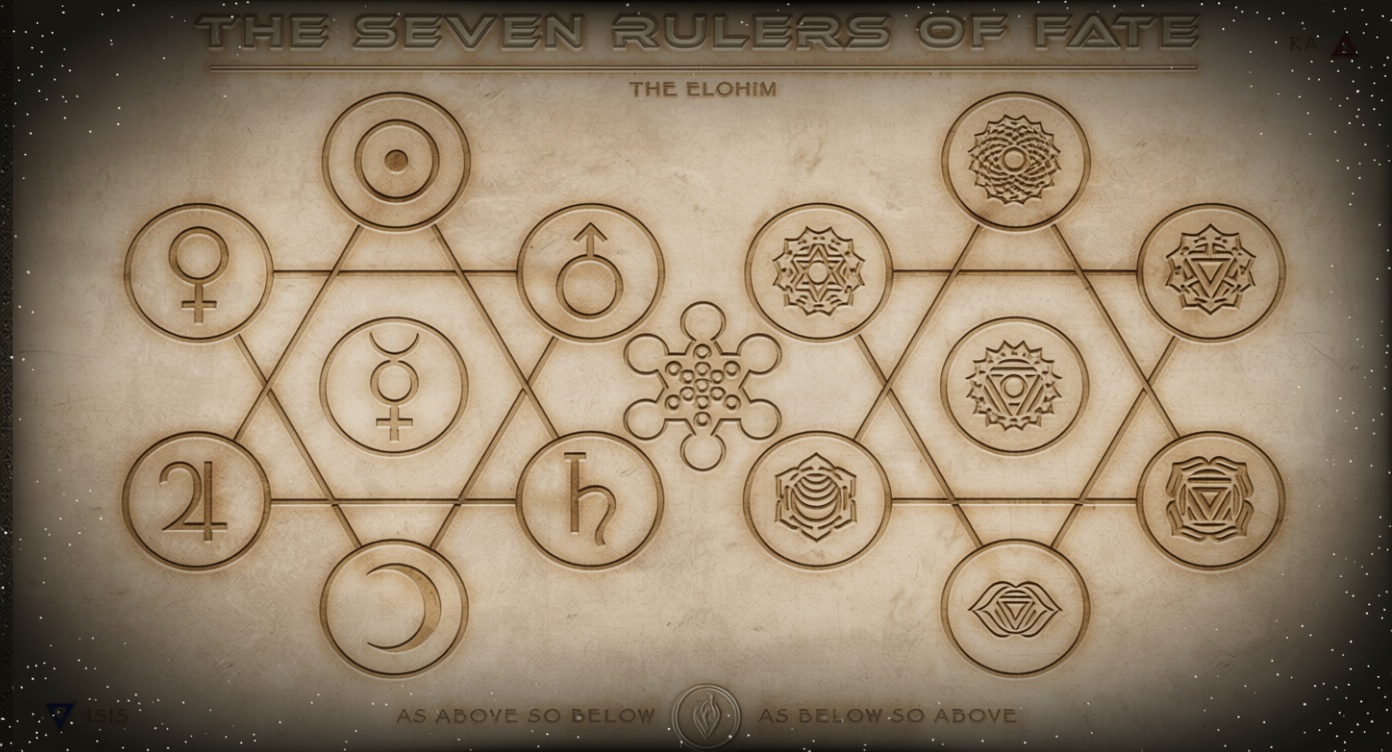
One recent article on the blog moves beyond UFOs and paranormal claims to examine whether chance is real or merely an illusion of limited human perception. The piece, authored by the Mondo Arcano editorial team in collaboration with MIR, frames the question as one that sits at the intersection of quantum physics, synchronicity, and the nature of reality. It cites ancient thinkers such as Democritus, Aristotle and the Stoics, then moves through the emergence of probability theory in the work of Blaise Pascal and Pierre de Fermat, before reaching Pierre-Simon Laplace’s famous deterministic model of the universe.
That historical sweep underscores the blog’s broader editorial method: it uses classical philosophy and scientific history to explore modern anomalous claims. In this framework, synchronicity, unexplained experiences and even UAP reports are not treated as isolated curiosities, but as possible clues to deeper structures in reality. The blog’s language is speculative, yet it is organized around a consistent theme: the tension between determinism, probability and human interpretation.
Why the Blog Stands Out
Mondo Arcano’s appeal appears to lie in its ability to merge cultural history, speculative science and paranormal investigation without drawing hard boundaries between them. For readers interested in disclosure debates or unexplained encounters, the site offers a broader intellectual landscape that includes consciousness studies, ancient metaphysics and contemporary mystery research. While the claims it discusses are inherently unresolved, the blog’s value is in the way it documents and organizes them.
In a media environment where UAP coverage increasingly overlaps with government transparency issues, Mondo Arcano reflects a growing audience appetite for cross-disciplinary explanations of the unexplained. Whether discussing alleged alien contact or the meaning of synchronicity, the blog presents itself as part of a wider effort to ask not only what is happening, but how human beings make sense of the unknown.