A New Digital Archive for UK UFO Reports
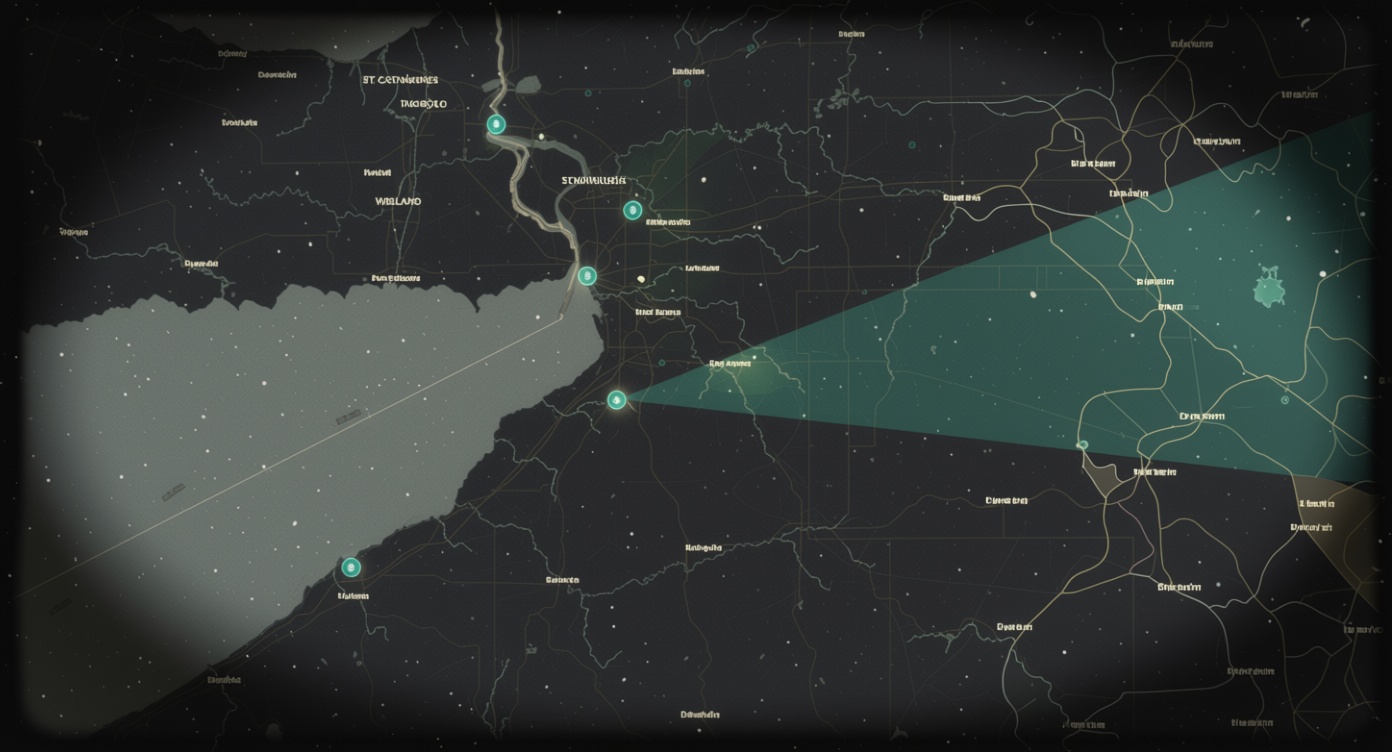
UK UFO researcher Ash has launched the UK UFO Database, a searchable online archive designed to make reported sightings from across the United Kingdom easier to find, compare and investigate. Operated through Ash’s UFO Identified initiative, the project combines a searchable case archive with an interactive map, statistical tools and individual reports containing details such as location, date, reported object shape and available evidence.
The database website describes itself as “the UK’s most comprehensive UFO sightings database” and currently lists 1,982 reports, spanning six years of sightings. It also records reports from 972 locations and categorises objects into 38 shapes. Users can browse the archive chronologically, search for particular locations or cases, and use the map to examine the geographic distribution of reports.
What the Database Contains
Recent entries illustrate the range of reports included. A case from Swffryd in Blaenau Gwent, dated August 6, 2026, is classified as a “Line” sighting and includes a photograph. Other recent reports include a circular object observed in Clapham, London; a “Doughnut” report from Abbey Wood; and a square-shaped object recorded in Hemel Hempstead, Hertfordshire. A July 22 report from Stretford, Greater Manchester, is categorised as a triangle and includes a sketch.
The site labels the supporting material associated with cases as photos, videos or sketches, where available, and provides each report with an individual reference number and case page. These labels indicate what was submitted or recorded in connection with a sighting; they do not, by themselves, establish that an object was unidentified after investigation or that the material demonstrates an extraterrestrial origin.
Access and Investigation Tools
The project offers several ways to explore the material, including dedicated Map, Archive and Statistics sections. A blog is also available for updates and commentary, while an “About” section provides information about the initiative and its aims. Access to the full service is offered through a low-cost paid membership, with visitors directed to a login and membership page to join.
That model places the database between a public research archive and a specialist subscription service. By bringing reports into a structured format, the project could help researchers identify recurring locations, compare sighting descriptions and examine trends in reported shapes or evidence types. It may also provide a more accessible starting point for members of the public who want to investigate local cases without relying solely on scattered social-media posts or older printed catalogues.
Context and Limitations
As with other UFO reporting archives, the database should be understood primarily as a collection of sighting claims and associated records, rather than a catalogue of confirmed anomalous craft. Reports can be affected by misidentifications involving aircraft, satellites, drones, astronomical objects, atmospheric phenomena or image artefacts. The usefulness of the project will therefore depend on the quality of its sourcing, the consistency of its case documentation and the extent to which reports are independently assessed.
Even with those limitations, the UK UFO Database represents an effort to organise a large body of public reports in one searchable location. Through its interactive map, case archive and statistical features, Ash’s initiative aims to make the UK’s long-running UFO-reporting culture more visible and easier to examine systematically.