SPARK TV Launches Into a Crowded Disclosure Moment
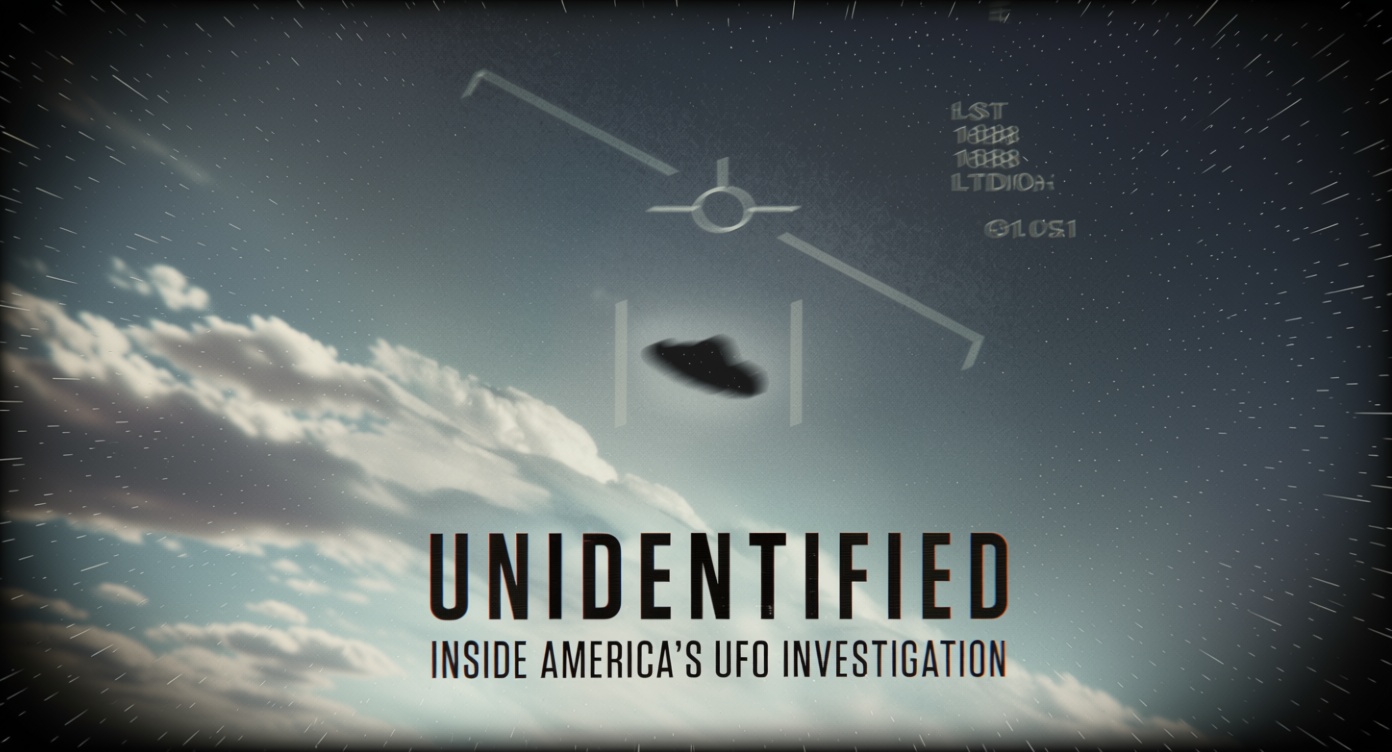
Jack Osbourne has launched SPARK TV, a new streaming platform centered on UFO disclosure, paranormal investigation, and consciousness research, positioning the service squarely in the middle of a fast-moving public conversation about unidentified anomalous phenomena. The platform is now live at sparktv.ai and is also available through the Amazon Appstore, Google Play, and Apple platforms. Osbourne has said he is developing a new UFO-focused podcast for the service and wants to bring a more polished, mainstream presentation to a field he described as historically “kind of indie, a little bit cheaper looking, a little bit kind of scrappy.”
A Launch Timed to a Historic UAP Record Release
The timing is notable. SPARK TV arrives as the U.S. government is releasing what the report describes as the largest public UFO archive in history. Since May 2026, the Department of War’s Presidential Unsealing and Reporting System for UAP Encounters (PURSUE) has issued five tranches of declassified records, totaling 375 documents, videos, and photographs covering cases from 1947 through 2026. The material includes FBI field reports of triangular craft, Navy footage of airborne anomalies over the Persian Gulf, NASA Apollo crew transcripts, and gun-camera video from the February 2023 Lake Huron shootdown.
That release schedule is expected to continue. Officials have said a sixth tranche is likely within weeks, adding to a publicly accessible library that did not exist at this scale before. For platforms such as SPARK TV, the archive could provide both a content engine and an audience already primed to examine the evidence more closely, especially as the government’s own disclosures continue to expand.
Disclosure Debate Gains Institutional Weight
The archive’s significance was reinforced on July 31, 2026, when the Office of the Director of National Intelligence issued a memo removing previous non-disclosure agreement barriers for government personnel with knowledge of UAP information, instructing them to report to AARO or PURSUE representatives. In a post on Medium, Harvard astrophysicist Avi Loeb said the memo meant prior NDAs restricting UAP disclosure “are no longer in force,” underscoring how the policy environment around these records has shifted in recent months.
The broader implication is that UAP reporting is moving from the margins toward a more formal public record, even if the interpretation of that evidence remains contested. That tension — between disclosure, analysis, and skepticism — is precisely the space SPARK TV appears designed to occupy, blending entertainment, commentary, and investigation for viewers following the issue closely.
A Broader Cultural Conversation Around UAPs
The launch also lands amid a wider wave of UFO-related commentary. Ross Coulthart has continued discussing the possibility of nonhuman intelligence, while veteran researcher Vicente-Juan Ballester Olmos has posted a new blog update adding to the ongoing civilian analysis of UAP cases. Separately, actor Sandra Bullock said she feels vindicated after speaking publicly about her own UFO sighting, reflecting how the subject continues to resonate well beyond government and academic circles.
Taken together, the developments suggest that UAP disclosure is no longer confined to a handful of researchers and insiders. With a growing government archive, renewed official reporting channels, and now a dedicated streaming platform built around the topic, the conversation is becoming more visible, more organized, and increasingly difficult to ignore.