Overview
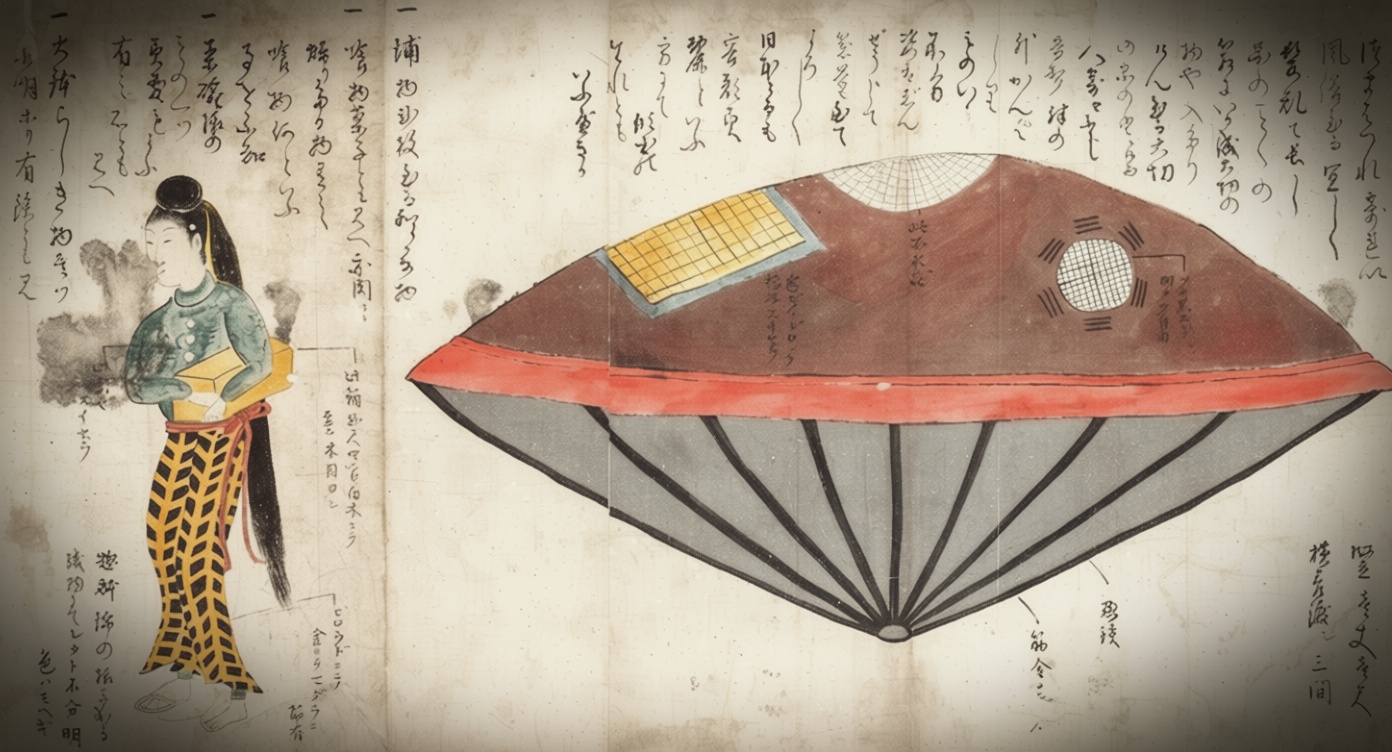
A centuries-old Japanese legend known as Utsuro-bune, or the “hollow ship,” is once again drawing attention after My Modern Met highlighted the story in a recent feature on Japan’s most mysterious folklore. Long before the modern vocabulary of UFOs and UAPs entered public debate, the tale described an unusual vessel that washed ashore carrying an equally unusual passenger, a narrative that has continued to captivate readers, historians and paranormal enthusiasts alike. In the current media landscape, where unexplained aerial and oceanic sightings are often discussed side by side, the legend stands out as a vivid reminder that fascination with the unknown has deep historical roots.
The legend’s strange details
Accounts of Utsuro-bune generally place the story in the early 19th century, when observers in Japan reportedly encountered a circular, boxlike craft that did not resemble a conventional boat. Versions of the legend describe the vessel as having metallic features, glass or window-like panels, and markings that could not be read by local onlookers. Inside, the story goes, was a young woman whose clothing, appearance and language set her apart from the people who found her. Because the tale has survived in multiple retellings, no single version is considered definitive, but its core imagery — an enclosed, otherworldly object adrift at sea — is consistent enough to have made it a staple of Japanese folklore.
Why UFO researchers keep returning to it
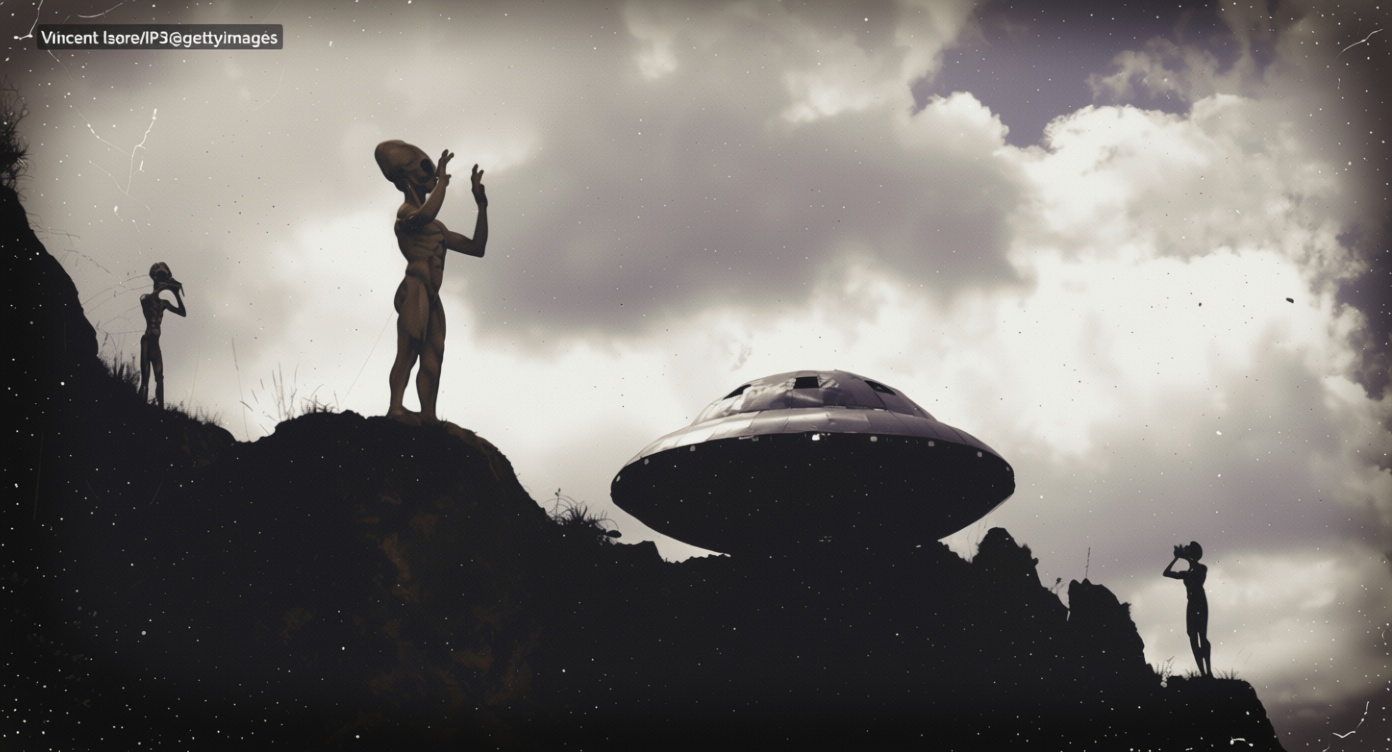
For modern UFO and UAP enthusiasts, Utsuro-bune offers a compelling historical parallel to contemporary reports of unidentified craft with unusual shapes and materials. The story’s blend of maritime mystery, nonhuman-seeming design and an unexplained occupant has invited comparisons to both extraterrestrial contact narratives and more grounded theories involving foreign vessels, cultural misunderstanding or embellished folklore. That ambiguity is part of the tale’s lasting appeal: it sits at the intersection of history, myth and interpretation, allowing different audiences to see something different in the same story. As interest in unexplained phenomena continues to grow, older accounts like Utsuro-bune are increasingly being revisited as possible precursors to today’s global UFO conversation.
Folklore, not proof
Still, historians and folklore scholars generally caution against treating Utsuro-bune as evidence of an actual alien encounter. Like many traditional legends, the story likely evolved through repeated retelling, with later narrators adding details that heightened its mystery. It may reflect a real-world event that was misunderstood, a fictionalized moral or cautionary tale, or a blending of multiple sources from Japan’s Edo-period storytelling tradition. That uncertainty, rather than diminishing the legend, is what makes it durable. It illustrates how communities across centuries have tried to explain the unfamiliar using the language and symbols available to them at the time.
A story that still resonates
The renewed attention to Utsuro-bune underscores a broader cultural pattern: when people encounter something they cannot immediately explain, they often build stories around it that endure long after the original context fades. In that sense, the hollow ship legend is not just a curious relic of Japanese folklore; it is also part of a much larger conversation about how societies interpret unexplained aerial and oceanic mysteries. Whether read as myth, maritime legend or an early ancestor of UFO lore, Utsuro-bune continues to fascinate because it leaves room for wonder — and for questions that remain unanswered centuries later.