Overview
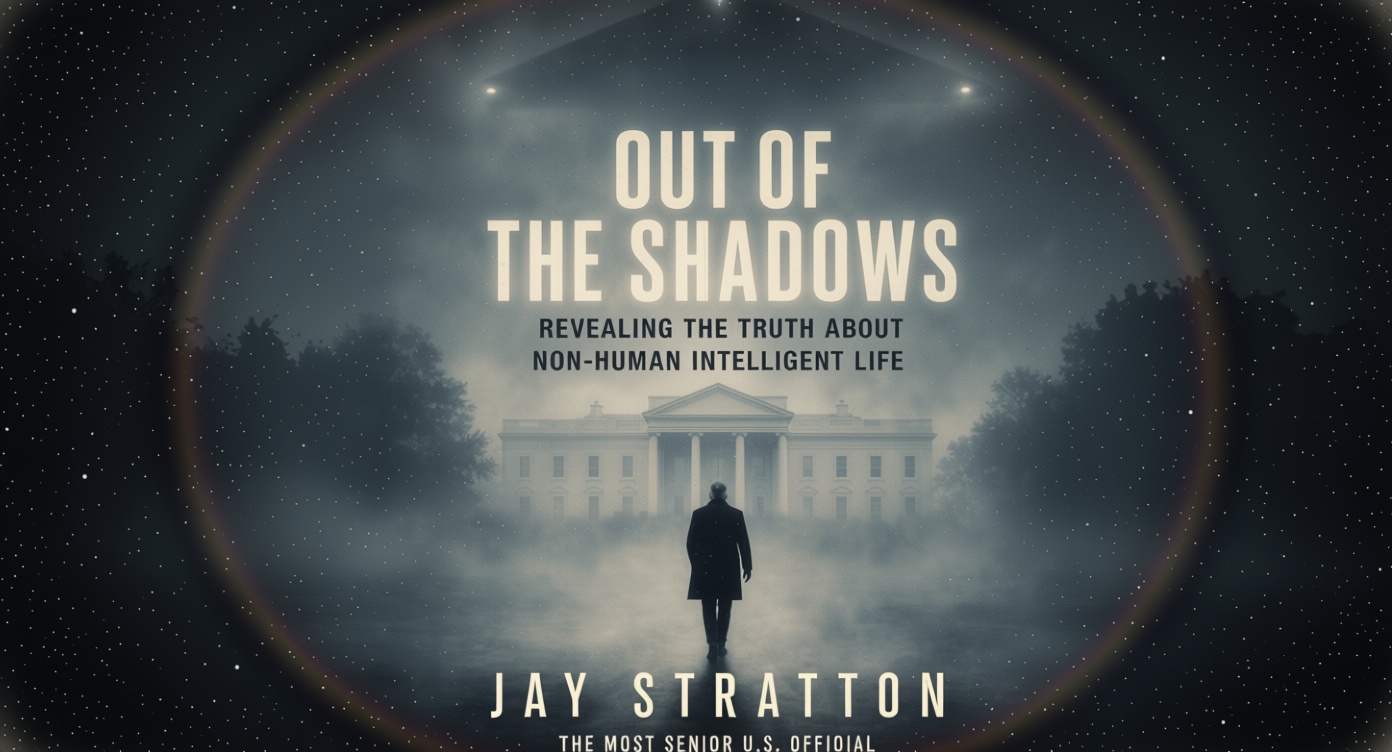
Former U.S. government UAP investigator Jay Stratton has alleged that some individuals presenting themselves as whistleblowers are being manufactured, encouraged or amplified as part of a disinformation effort intended to obscure longstanding programs and undermine credible witnesses. The allegation appears in an excerpt from Stratton’s book Out of the Shadows, highlighted in an October 20 post by UFO researcher Rhys Dalton-Morgan on X.
Stratton’s claims, as reproduced in the post, are sweeping but nonspecific. He does not identify the people he believes are involved, the alleged “bad actors” behind them, or the legacy programs that he says are benefiting from the confusion. The excerpt also does not provide documentary evidence, names of witnesses, or details that would allow the allegations to be independently assessed.
Stratton’s Allegations
According to the quoted passage, some purported whistleblowers have entered the “social media and podcast arena” after being encouraged by parties allegedly acting on behalf of legacy UAP programs. Stratton says these figures promote stories that attract attention because they are sensational rather than credible, while an online audience eager for information about alleged nonhuman technology accepts them without sufficient scrutiny.
“There are certainly credible whistleblowers who bravely speak up about this issue,” Stratton is quoted as writing, adding that many of them do so privately with members of Congress. He contrasts those individuals with what he calls “planted phonies,” arguing that their claims can damage the standing of legitimate witnesses and cause the wider public to dismiss the UAP subject altogether.
Stratton further alleges that the individuals in question may have varied motivations. Some, he writes, may be seeking publicity or financial opportunities, while others may genuinely believe they are advancing disclosure. He also suggests that once such claims become public, their proponents can feel committed to maintaining them because their reputations are at stake.
Congressional Testimony and Public Scrutiny
The most consequential part of the excerpt concerns Stratton’s assertion that some allegedly fictional claims have reached congressional testimony. He argues that such appearances can create the impression that an extraordinary account has been officially validated, even when, in his view, the underlying evidence does not support it.
Congressional testimony, however, is not automatically an independent finding that a witness’s claims are true. Hearings and briefings can provide lawmakers with allegations, intelligence leads or personal accounts for further examination. Determining whether those accounts are accurate generally requires corroborating records, additional witnesses, physical evidence or investigative findings. Stratton’s excerpt, as presented, does not specify which testimony he means or distinguish between public hearings and private congressional discussions.
Context and Unanswered Questions
Stratton previously held senior roles in U.S. government UAP investigations, including leadership of the Unidentified Aerial Phenomena Task Force. That background gives his comments significance within the debate over secrecy, whistleblowers and alleged legacy programs. It also makes the absence of names and supporting evidence particularly notable: readers cannot determine from the excerpt whether he is referring to known public figures, unidentified sources or people whose accounts have not been independently reported.
For now, the allegations remain unsubstantiated claims published in a book excerpt and amplified through a social-media post. The central questions—who Stratton is referring to, what evidence supports his characterization, and whether any congressional testimony contained demonstrably false information—remain unanswered. Until further documentation or direct clarification is provided, the claims should be treated as allegations rather than established findings.