Overview
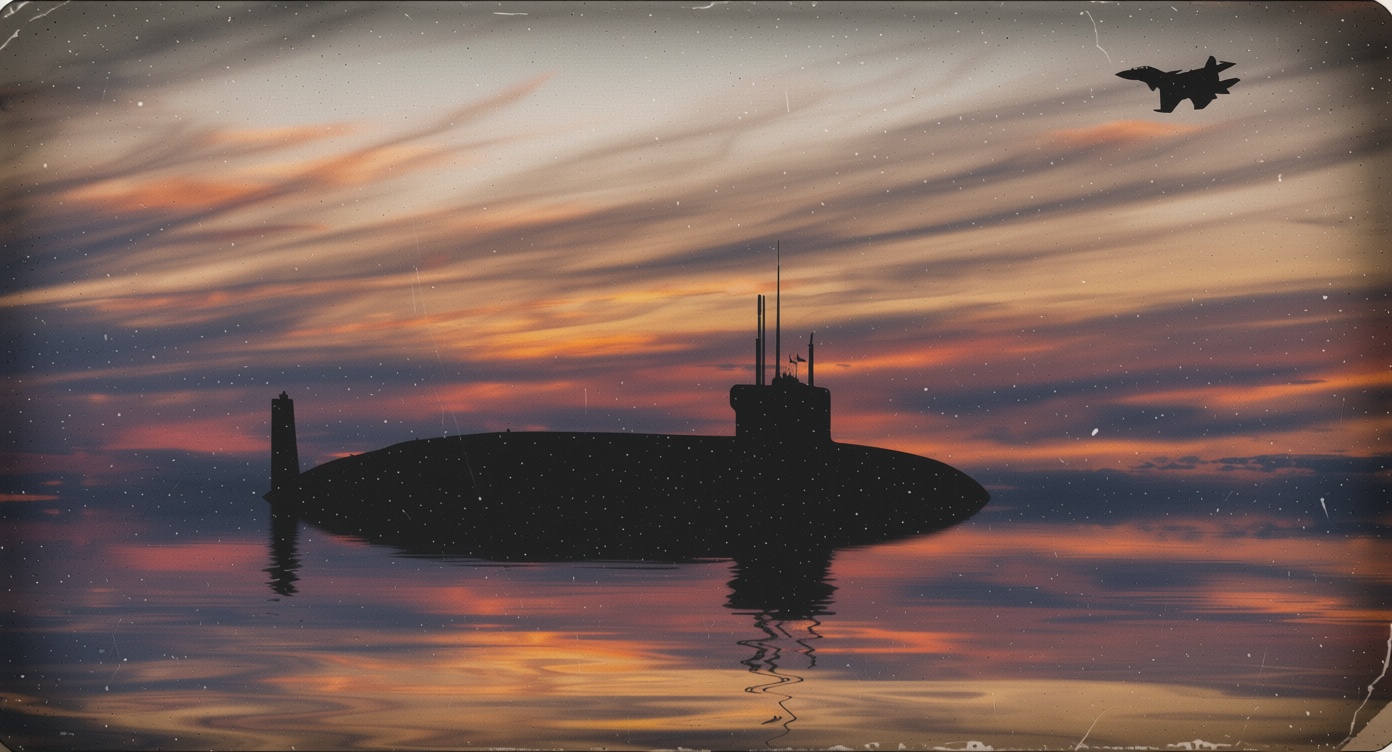
Jay Stratton, a former senior U.S. intelligence official, has recounted an operation in which a nuclear-powered submarine was used as potential bait for an unidentified anomalous phenomenon (UAP). The account appears in his memoir, Out of the Shadows, and is reviewed in a recent Popular Mechanics profile published October 20. Stratton says the mission was based on an internal assessment that UAP might be attracted to nuclear energy—an idea often cited in accounts involving nuclear weapons facilities, reactors and military vessels.
According to Stratton, the submarine’s reactor would produce what he described as a significant “nuclear signature.” The vessel was positioned in a U.S. waters area associated with previous UAP reports, with the aim of bringing an object close enough to monitor, track, or possibly recover. The published account provides few operational details, including the submarine’s location, the date of the mission, the identity of the crew or the precise nature of the phenomenon reportedly observed.
From Intelligence Officer to UAP Investigator
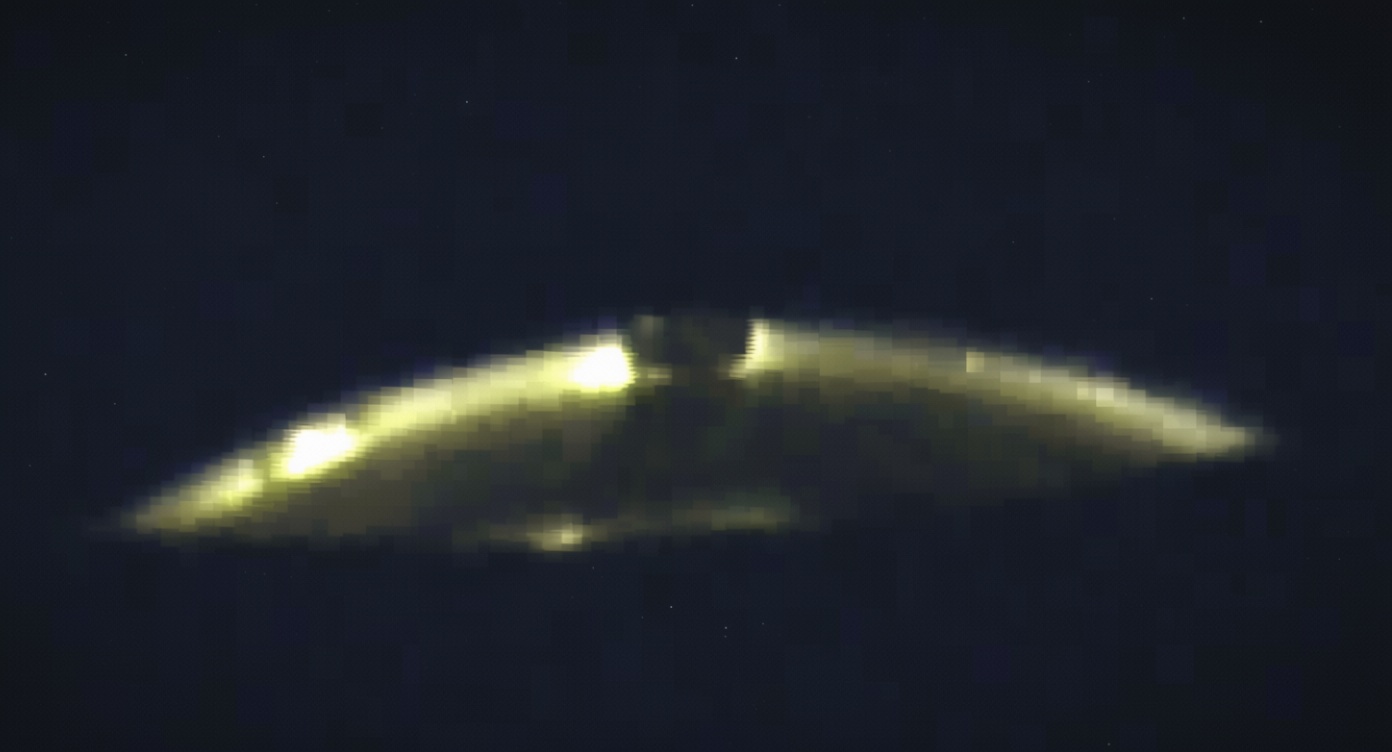
Stratton’s involvement began after he was shown classified video footage while serving in the Defense Intelligence Agency. The footage reportedly depicted an object near a nuclear missile silo, displaying a yellowish glow, silent flight and abrupt changes in direction. The account describes the object as accelerating at speeds and along trajectories that, in Stratton’s assessment, did not correspond to known aircraft capabilities.
He subsequently became involved with several U.S. government efforts to examine anomalous aerial reports. Stratton is described as a co-founder of the Advanced Aerospace Weapons Application Program (AAWSAP) and the Advanced Aerospace Threat Identification Program (AATIP), and later as director of the Unidentified Aerial Phenomena Task Force. He says his work ultimately covered reports of objects that appeared to move through air and water, including the widely discussed “Tic Tac” case associated with U.S. Navy pilots.
Claims, Evidence and Unanswered Questions
The submarine operation is significant because it illustrates how some UAP investigators attempted to test recurring patterns rather than merely document sightings. However, the available account does not establish that the strategy produced a confirmed extraterrestrial encounter, nor does it provide independently verifiable evidence that UAP are drawn to nuclear activity. Anecdotal associations with nuclear sites remain an investigative hypothesis, not a demonstrated scientific conclusion.
The reported physics-defying characteristics—such as extreme acceleration, silent movement and seamless transitions between air and water—also remain disputed. Without complete sensor data, chain-of-custody information, technical analysis and testimony from additional participants, it is difficult to distinguish an unknown technology from misidentification, sensor artifacts or incomplete information.
Broader Debate
Stratton’s account enters a broader debate involving former officials and UAP commentators, including Luis Elizondo, David Grusch and journalist George Knapp. Their statements have fueled questions about government secrecy, alleged crash-retrieval programs and the handling of military sensor data. Skeptics, including analyst V.J. Ballester Olmos, have challenged the evidentiary basis of many UAP claims and warned that extraordinary interpretations can outpace the available documentation.
The subject also has a practical national-security dimension. UAP reports may involve possible aerospace threats, intelligence collection or risks to military personnel, including reported health effects linked to unusual encounters. For that reason, advocates argue that cases should be investigated transparently and through established scientific and intelligence procedures. Stratton’s memoir adds another first-person account to that discussion, but the submarine episode—like many prominent UAP cases—remains unresolved pending fuller evidence.