Overview
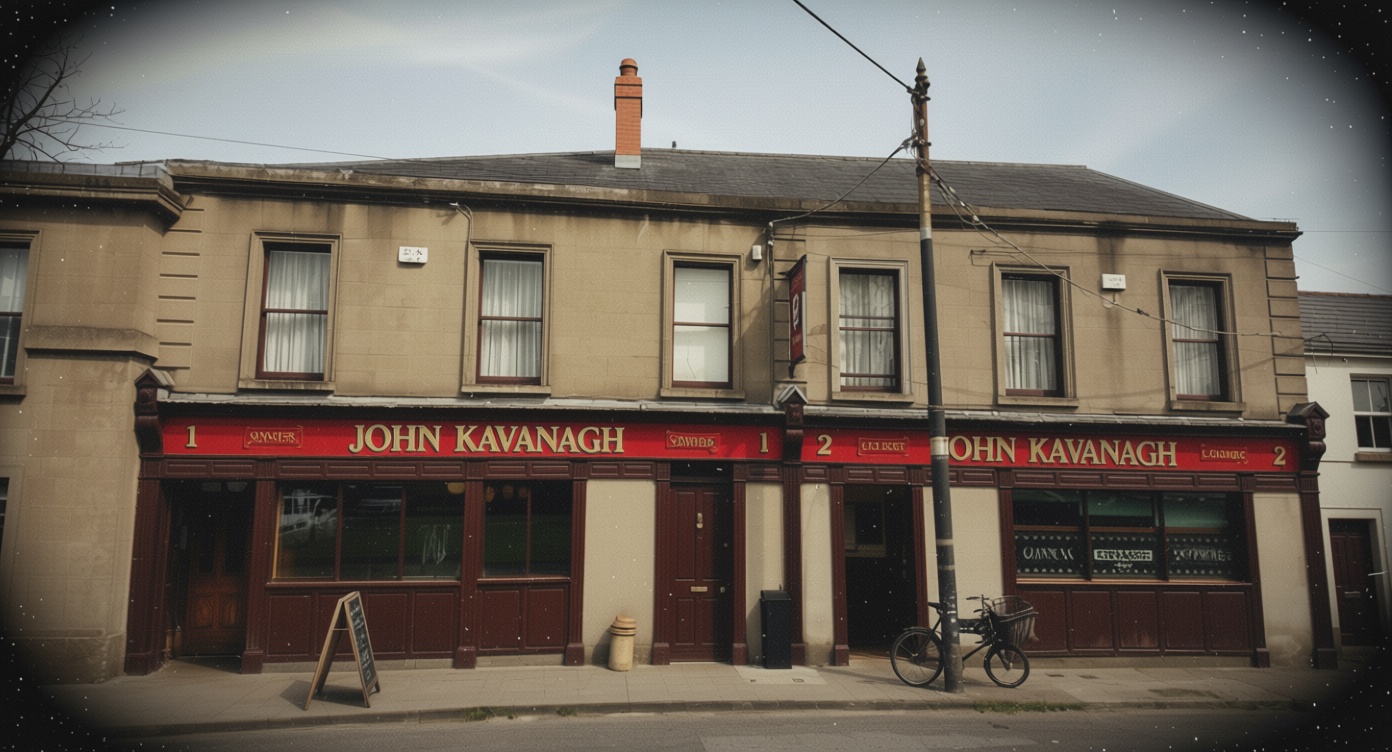
Beside Dublin’s Glasnevin Cemetery stands John Kavanagh’s, the family-run pub better known as The Gravediggers. Established in 1833, the pub has become associated with the cemetery workers who traditionally stopped there for a drink after completing their shifts among Ireland’s dead. Its location, long history and quiet, old-fashioned atmosphere have also made it one of Dublin’s best-known settings for ghost stories.
The account, published by Moon Mausoleum on October 20, 2026, describes the pub as a place where history and folklore meet. Glasnevin Cemetery is Ireland’s largest burial ground and is understood to contain more than one million graves. Over nearly two centuries, the pub has welcomed mourners, workers and local residents—while stories claim that some of the cemetery’s former inhabitants have occasionally returned for a drink.
How “The Gravediggers” Got Its Name
The pub’s nickname is traditionally linked to the cemetery employees who visited after work. According to local folklore, the workers would announce themselves by throwing a shovelful of earth against the pub wall, creating a distinctive form of “knocking” that connected their daily labour with the social ritual that followed.
The story has become part of the pub’s identity, although there is no independent evidence that the practice continued in documented form. Folklore nevertheless maintains that the sound of soil striking stone can still be heard on quiet nights, even when nobody is outside. The tale reflects the way oral history often develops around old public houses, where repeated stories become inseparable from the building’s reputation.
The Silent Man in Tweed
The most persistent supernatural account concerns a silent man in a tweed suit. He is said to sit quietly with a pint, neither speaking to other customers nor drawing attention to himself. When his drink is finished, the story goes, he does not leave through the door. Instead, he reportedly fades into the wall separating the pub from the cemetery.
According to the legend, the figure is one of the many people buried at Glasnevin who remains attached to the pub and its familiar comforts. The account has not been verified, and there is no confirmed explanation for the alleged apparition. It survives as a piece of local storytelling rather than established fact, adding an eerie dimension to an otherwise traditional Dublin pub.
A Pub Built on Atmosphere
Today, John Kavanagh’s is known for stout, hearty food and conversation, with an atmosphere that places less emphasis on entertainment and more on the character of the room and its customers. The absence of music is said to reinforce that distinctive environment, allowing ordinary sounds—voices, glasses and footsteps—to become unusually noticeable.
The cemetery next door contributes to the sense of place. Moon Mausoleum also references a separate Glasnevin legend involving the ghost of a Newfoundland dog said to be waiting for a master lost at sea. Like the stories associated with the pub, that account belongs to Dublin’s tradition of supernatural folklore and has not been substantiated.
Folklore and the Modern Visitor
For visitors, The Gravediggers offers more than a ghost story: it is a surviving example of Dublin’s historic pub culture, positioned beside one of the city’s most significant burial grounds. The legends surrounding it are best understood as cultural traditions rather than evidence of paranormal activity. Even so, the combination of a centuries-old pub, a vast cemetery and generations of local storytelling gives the site an atmosphere few modern venues can reproduce.
Those who visit may come for the reputed quality of the pint or the pub’s authentic setting. They may also find themselves listening more closely than usual to the conversations around them—wondering whether an unfamiliar patron is simply another customer, or the silent figure said to have come through the wall from Glasnevin.