Overview
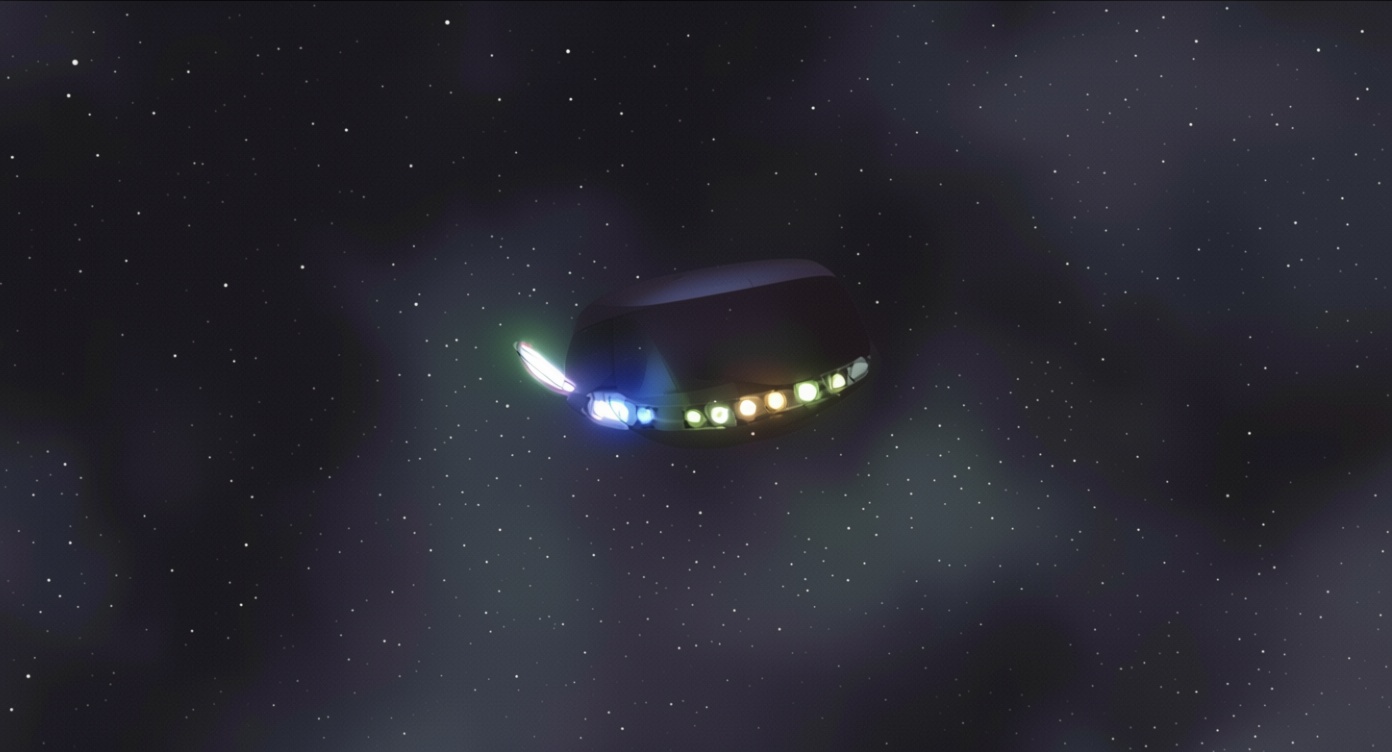
A June 1954 CIA memorandum addressed to Marshall Chadwell examined the intelligence implications of “saucer-like” aircraft then believed to be under development. Titled “INTELLIGENCE RESPONSIBILITIES FOR NON-CONVENTIONAL TYPES OF AIR VEHICLES,” the three-page document focused on how U.S. intelligence should distinguish between man-made disc-shaped aircraft and other unidentified objects reported or observed in the postwar era.
The memo is part of the CIA’s historical records and is available through the agency’s Reading Room via an archived copy. Its subject reflects a period when unusual aerial sightings were being assessed not only as possible technological or scientific anomalies, but also as potential indicators of foreign military advances. The document’s emphasis, based on its title and summary, was analytical and organizational rather than a declaration that unusual sightings had an extraterrestrial origin.
What the Memo Addresses
The central issue was the existence—or possibility—of non-conventional air vehicles, including aircraft with disc-like or “saucer-like” profiles. The memorandum reportedly distinguishes observed or reported objects that could be attributed to human engineering from incidents involving objects whose origin or capabilities remained uncertain.
That distinction was significant during the early Cold War. Aircraft development was advancing rapidly, with governments exploring unconventional designs intended to improve speed, range, maneuverability, or stealth. A disc-shaped aircraft might therefore have been associated with experimental military programs, foreign technological development, or misidentified conventional aircraft. At the same time, reports that did not fit known aircraft categories could raise separate intelligence questions.
The wording of the memo does not, on its own, establish that any particular sighting involved a secret aircraft. Rather, it indicates that officials were considering how to classify and investigate multiple possibilities. A report of an unusual object was not automatically treated as evidence of a novel aircraft, nor was every unexplained observation necessarily regarded as a threat.
Intelligence and National-Security Context
Marshall Chadwell was a senior CIA official associated with the agency’s scientific intelligence activities. His involvement places the memorandum within the broader Cold War effort to evaluate emerging aerospace technologies and determine whether unusual observations might reveal foreign capabilities.
For intelligence agencies, identifying man-made disc aircraft would have required comparing eyewitness reports and technical descriptions with known research programs, flight-test information, radar data, and other intelligence sources. Objects that could not be reconciled with known aircraft would require a different form of assessment, including consideration of sensor error, misidentification, incomplete reporting, or genuinely unfamiliar technology.
This framework also illustrates why early government records about “flying saucers” often contain language that is more cautious than popular accounts suggest. Officials could treat the subject seriously without endorsing extraordinary explanations. The practical concern was whether such reports contained actionable information about aviation, defense, or foreign technological capabilities.
Historical Significance
The June 1954 memo offers a snapshot of how U.S. officials approached anomalous aerial reports at a time of intense technological competition. Its importance lies less in proving the existence of any particular type of aircraft than in documenting an effort to create clear intelligence responsibilities and categories for evaluating unconventional vehicles.
The available source is a three-page historical document, and the supplied record includes no substantive public comment discussion beyond its identification and summary. Readers should therefore distinguish between what the memorandum documents—official consideration of non-conventional aircraft—and later interpretations that may assign it broader significance. The original document can be reviewed through the archived CIA source at the link provided: CIA memorandum, “Intelligence Responsibilities for Non-Conventional Types of Air Vehicles.”