Overview
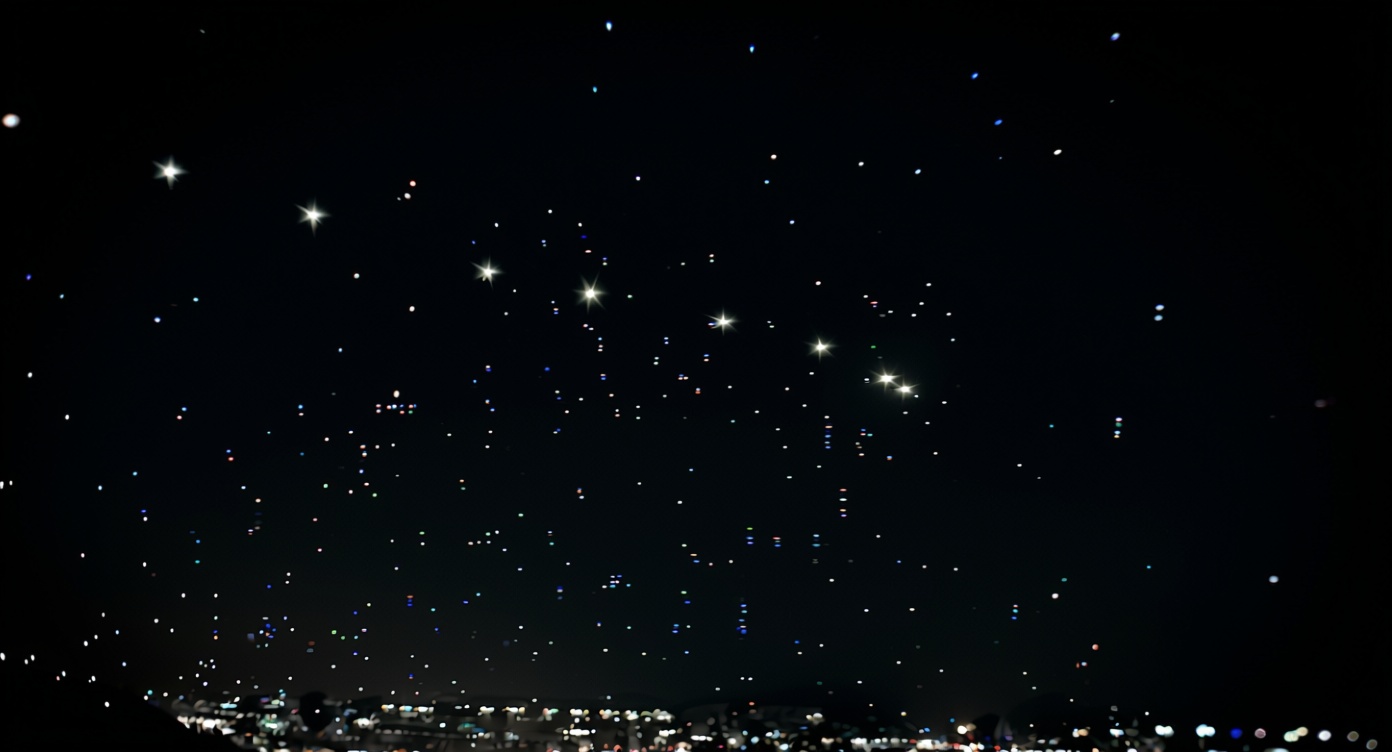
A recent review of newly released UAP records has put Kenneth Arnold’s 1947 sighting back in the spotlight, underscoring how one event near Mount Rainier helped shape both modern UFO lore and the enduring public vocabulary around unexplained aerial phenomena. Arnold’s account of nine fast-moving objects on June 24, 1947 is widely credited with popularizing the term “flying saucer,” after a reporter used the phrase to describe what he had seen. More than 79 years later, the case remains a touchstone in discussions of UAP history, not only because of what Arnold reported, but because of how quickly his sighting became a cultural reference point.
The renewed attention follows scrutiny of a 245-page document titled DOW-UAP-D100, Air Materiel Command Report on Unidentified Flying Objects, 1947-1948, part of a broader release of materials connected to the Presidential Unsealing and Reporting System for UAP Encounters (PURSUE). According to the source material, the report offers a window into early U.S. government efforts to catalog high-performance airborne objects under Project Sign, a 1948 Air Force program created to investigate reports that could not be readily explained.
What Project Sign Found
One of the more notable takeaways from the Air Materiel Command’s analysis is its measured assessment of eyewitness reports. The report concluded that observers were “generally not mistaken when reporting that they had seen an airborne object,” but that their descriptions of those objects as unusual likely reflected the “limits of their personal experience.” That distinction is important: it suggests investigators were willing to acknowledge the reality of sightings without endorsing extraordinary interpretations of them.
The document also compiled what it described as “typical reports” of disc observations from the summer of 1947, revealing that Arnold was far from the only person to describe strange objects in the sky that year. The report cites, among other examples, five Portland police officers who saw multiple discs on July 7, 1947, a Phoenix resident who photographed a disc at sunset the same day, and witnesses in Newfoundland who observed circular objects moving at high speed and leaving trails. On July 11, three people in Codroy, Newfoundland reported a disc with a smoke trail, reinforcing the sense that 1947 was an unusually active year for such accounts.
Arnold’s Sighting and Its Legacy
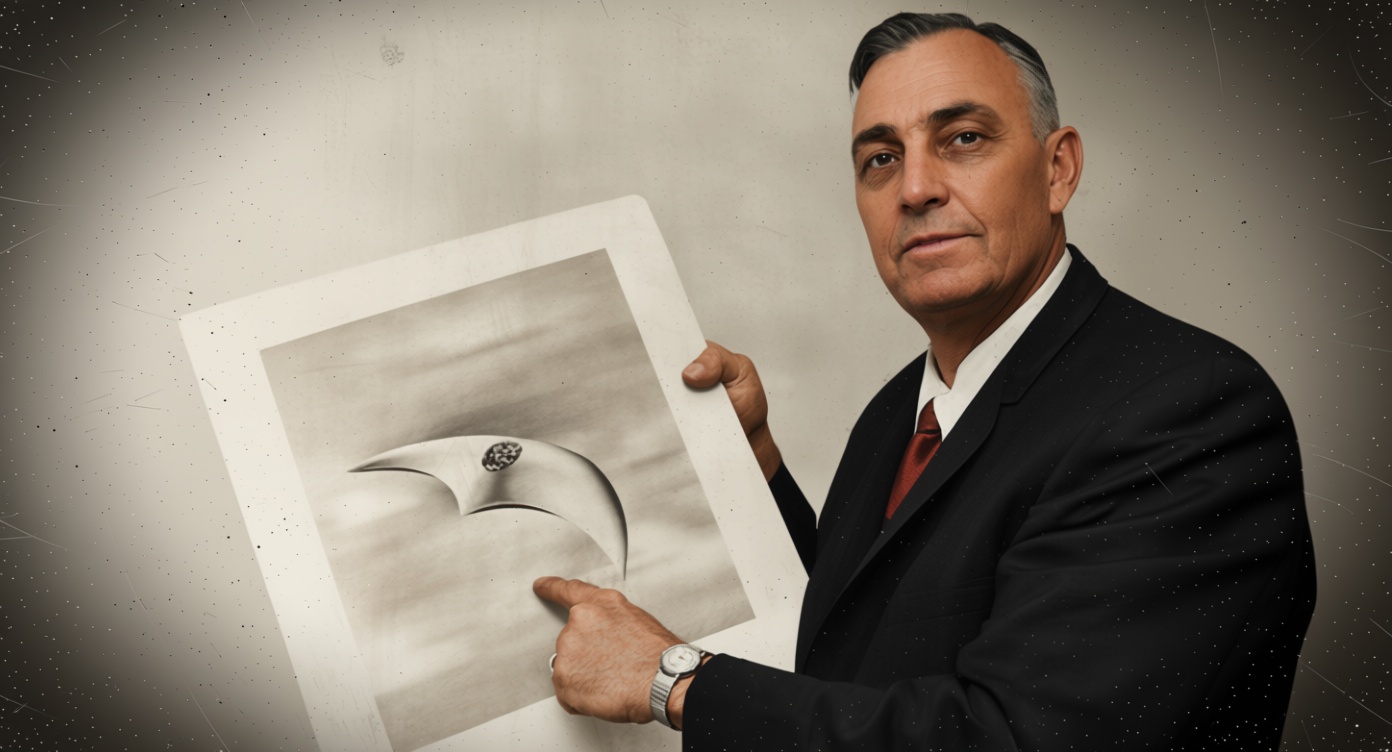
Arnold’s original report has remained influential because of both its timing and its detail. He described the objects as flying at extraordinary speed—he estimated at least 1,200 miles per hour—and his sketch of one of the objects became a foundational image in early UFO history. The AMC report noted that Arnold’s drawing corresponded closely to a photograph taken by the Phoenix witness, an observation that has continued to intrigue researchers who look for patterns across the earliest wave of UFO reports.
The same report also points to another noteworthy case from that day: two U.S. Air Force pilots at Hamilton Field, California, who reportedly saw two flying discs trailing a P-80 aircraft toward Oakland. Together, these accounts show how rapidly the phenomenon entered military, media, and civilian awareness in the months after Arnold’s sighting.
Enduring Mystery
What makes the Arnold case enduring is not just the legend it spawned, but the way it continues to anchor modern UAP discussions. To some, it marks the beginning of the UFO era; to others, it is a reminder of how perception, language, and early media coverage can shape public understanding of the unexplained. Even as new files emerge and researchers revisit the first wave of reports, Kenneth Arnold’s 1947 encounter remains one of the most consequential sightings in UAP history—less for providing closure than for ensuring the mystery never fully left the conversation.