Overview
NewsNation’s Reality Check has turned its attention to “Kona Blue,” an alleged program said to involve the transfer of UFO/UAP-related material from Lockheed Martin to the Department of Homeland Security (DHS). The segment treats the matter as a claim under scrutiny, not a confirmed revelation, underscoring how many questions still surround allegations of government involvement with retrieved anomalous technology.
The report arrives amid renewed public interest in UAP transparency, a topic that has moved from the fringes into the mainstream through congressional hearings, whistleblower testimony, and Pentagon disclosures about unexplained aerial encounters. But despite the growing attention, the Kona Blue allegation remains firmly in the category of unverified assertions, with no public documentation in the source material establishing that such a transfer occurred.
What the Kona Blue claim involves
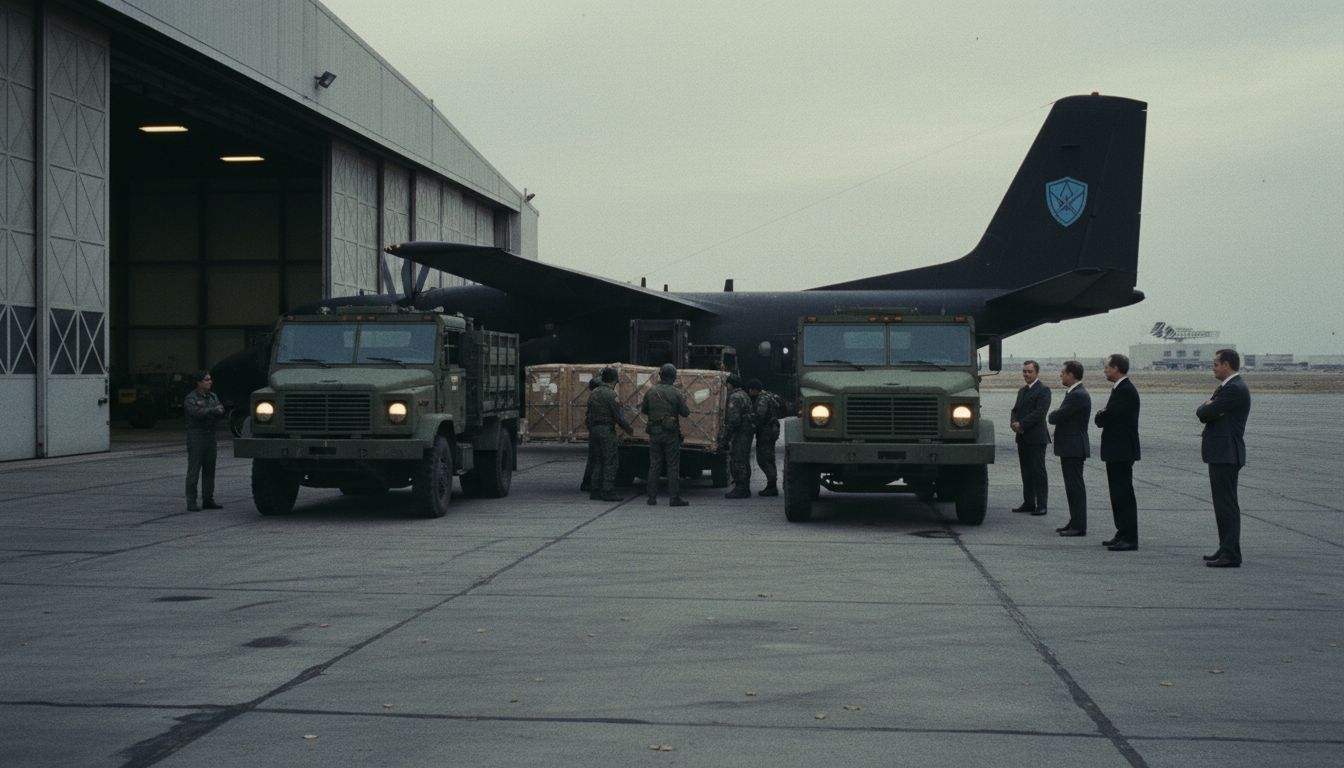
At the center of the discussion is the suggestion that Lockheed Martin, one of the country’s largest defense contractors, may have been involved in transferring material linked to UAP investigations to DHS under a program called Kona Blue. The reported implication is significant: if true, it would suggest that potentially sensitive recovered material was not only held outside traditional government channels, but was also moved into a homeland security framework rather than a more conventional defense or intelligence process.
That possibility has made the allegation especially intriguing to UAP observers, many of whom have long argued that if exotic technology or materials have been recovered, they may have been compartmentalized through private contractors. Yet the NewsNation segment frames the matter carefully, emphasizing that this is still a matter of dispute and uncertainty. In other words, Kona Blue is being discussed as a purported program, not an established fact.
Why the allegation is drawing attention
The scrutiny surrounding Kona Blue reflects a broader challenge in UAP reporting: separating credible leads from speculation. Public curiosity remains high because the issue touches on some of the most sensitive areas of national security, including defense contracting, materials research, and interagency oversight. If a program like the one alleged existed, it would raise immediate questions about who authorized it, what was transferred, and whether any formal accountability mechanisms were in place.
For investigators and journalists, however, the lack of publicly available proof is just as important as the allegation itself. The NewsNation piece does not appear to present Kona Blue as established history, but instead as part of a continuing effort to assess claims that have circulated in UAP circles. That distinction matters: without corroborating records, witnesses, or official confirmation, the story remains in the realm of active examination.
Broader implications for UAP transparency
The Kona Blue discussion also highlights how the UAP conversation has evolved. What was once treated as a speculative subject is now being examined through the lenses of oversight, procurement, and classified programs. Even so, the central issue remains the same: how much of the government’s interest in anomalous phenomena is visible to the public, and how much remains hidden behind national security claims?
For now, the reported Lockheed-to-DHS transfer associated with Kona Blue remains unproven and controversial. But its appearance in a mainstream news “Reality Check” segment shows that allegations about recovered UAP material continue to command serious attention, especially when they implicate powerful defense and homeland security institutions. The story is less a conclusion than a reminder of how much about the UAP issue still lies outside public view.