Overview
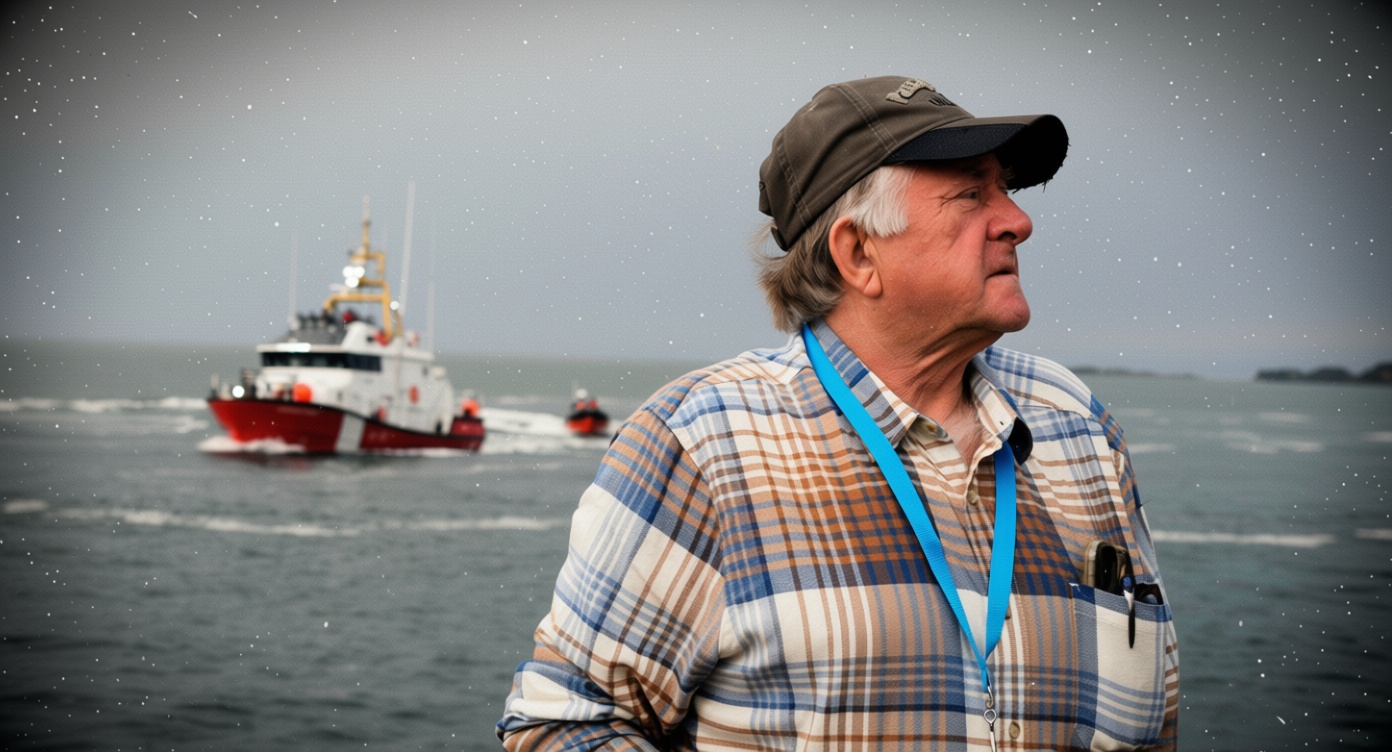
The death of Laurie Wickens has prompted a renewed look at one of Canada’s most enduring unexplained aviation-and-sea mysteries: the Shag Harbour UFO incident. Wickens was closely identified with the case and became a familiar and respected presence in the local community surrounding the event, which has long drawn curiosity from researchers, visitors and longtime residents in Nova Scotia’s southwest.
His passing is being remembered not simply as the loss of a local figure, but as the loss of someone who helped keep the story alive. For many in the area, Wickens represented the human side of a mystery that has outlived countless headlines. The Shag Harbour case remains one of the country’s best-known unexplained incidents, and Wickens’ name was tied to that legacy in a way that made him something of an icon among enthusiasts.
The Shag Harbour mystery that outlasted generations
The Shag Harbour incident dates back to 1967, when reports emerged of an unidentified object entering the waters off the Nova Scotia community. The event prompted official attention, including searches by authorities, and over the years it became a cornerstone of Canadian UFO lore. Although decades have passed, the case has never been given a definitive conventional explanation, which has allowed it to remain a subject of public interest and debate.
That longevity helped make Shag Harbour more than just a point on the map. It became a touchstone for people interested in unexplained phenomena, drawing researchers and the merely curious alike. The story’s staying power has also depended on the people who continued to speak about it, preserve its history and keep it accessible to the public. Wickens was widely seen as one of those people, helping connect the past to the present in a community where the incident still carries real cultural weight.
A familiar figure in the local UFO community
Wickens’ association with the Shag Harbour mystery gave him a distinctive place in local memory. In communities built around a historical event, certain individuals become informal stewards of the story — people who answer questions, welcome visitors and serve as a link between the event itself and the generations that came after. Wickens appears to have been exactly that kind of figure.
His influence went beyond the case file or the folklore surrounding it. For residents and UFO enthusiasts, he represented continuity: a person who understood the significance of the story not as sensational entertainment, but as part of local identity. That kind of role can be difficult to measure, yet it often shapes how a mystery is remembered. In Shag Harbour, Wickens helped ensure the incident was not treated as a forgotten footnote.
A legacy tied to place and memory
The reaction to Wickens’ death also reflects the unusual way Shag Harbour’s UFO history has become embedded in the region’s sense of place. Unlike many famous unexplained cases, this one remains closely associated with a real community and the people who live there. That gives the story a deeper social dimension: it is not only about what was seen in the water, but also about how the event became part of local heritage.
In that sense, Wickens’ legacy is inseparable from the mystery itself. He is remembered as someone whose life intersected with one of Canada’s most debated cases and who helped carry that history forward. As the community reflects on his passing, the broader story of Shag Harbour endures — not as a solved puzzle, but as a reminder of how some mysteries continue to shape the places and people around them.