A Vicarage Wrapped in Local Legend
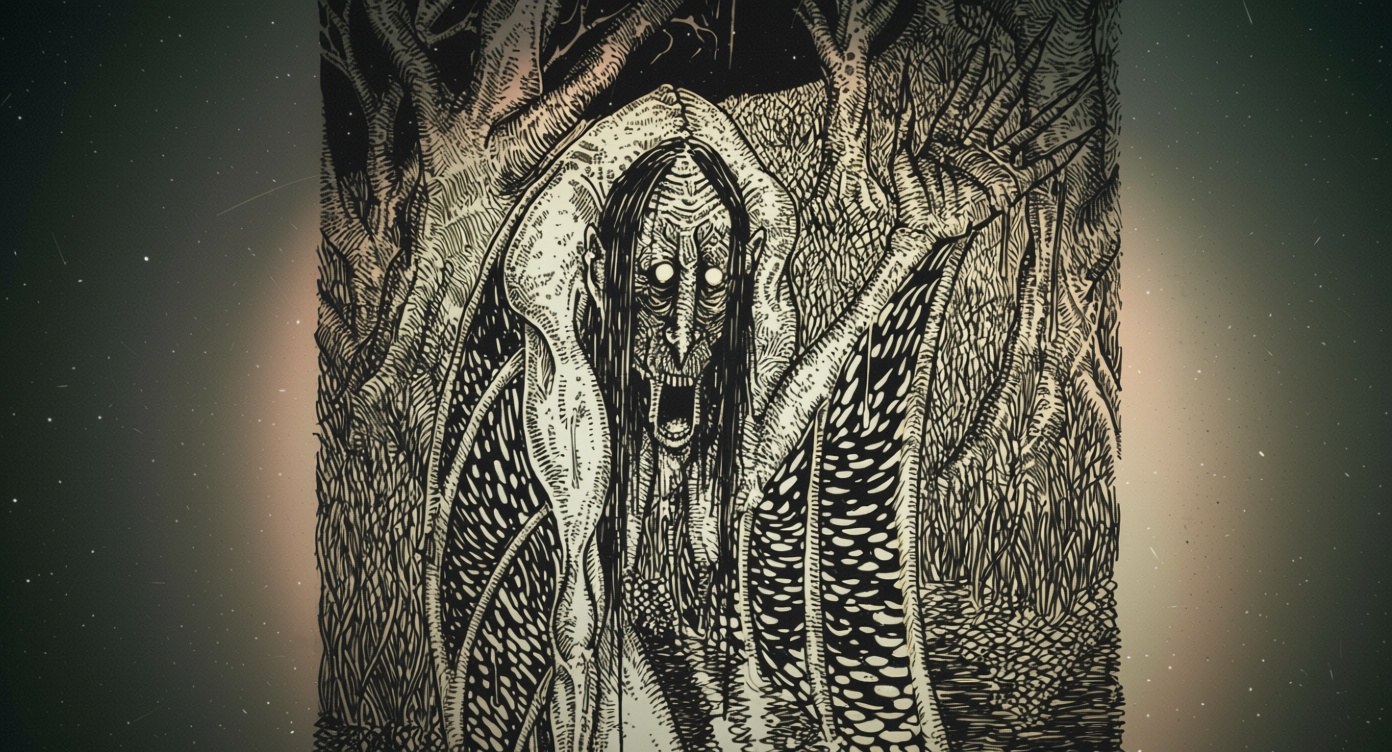
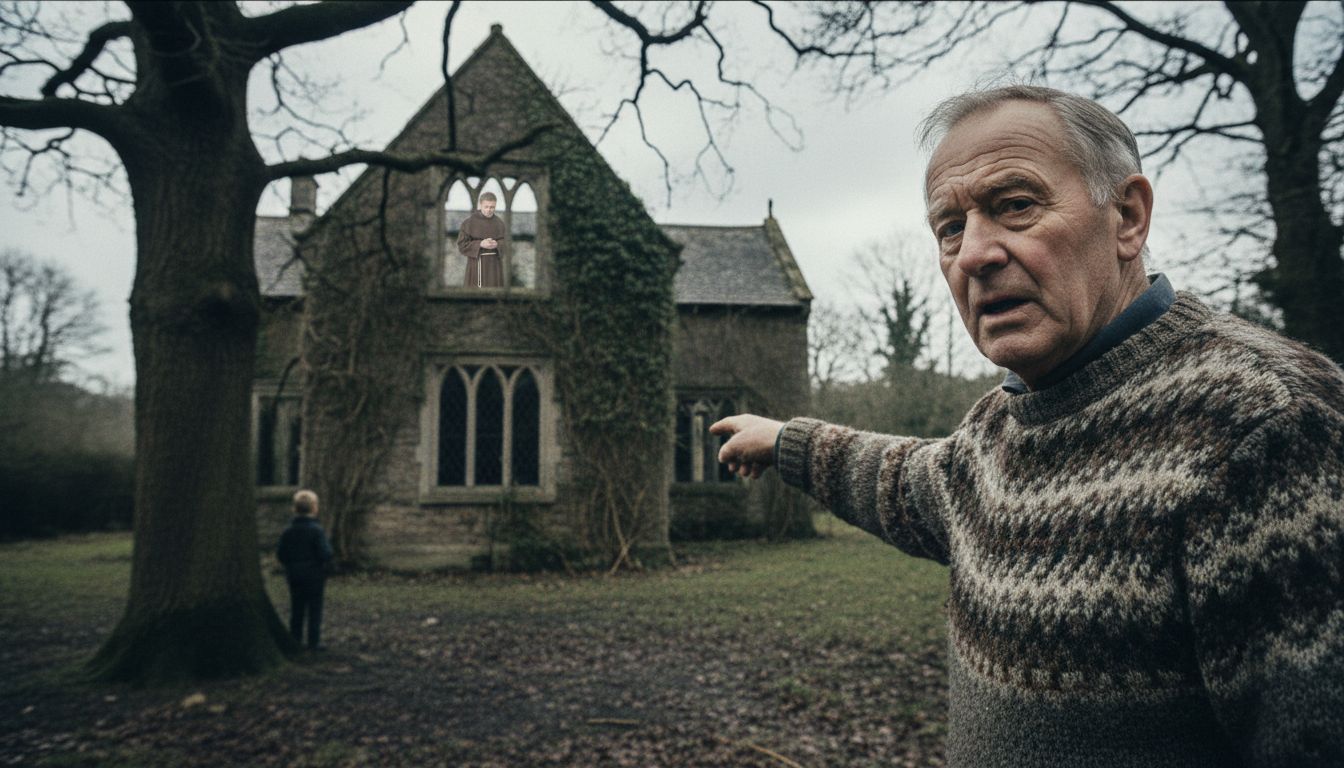
The old vicarage in Sande, Norway, has become the setting for a longstanding tale about a brown-clad ghost believed to haunt the building’s Blue Hall, or Blåsalen. The story, published by Moon Mausoleum on Sept. 22, describes an apparition associated with a former parish priest who allegedly continues to carry guilt over a young boy whose life took a tragic turn after the priest refused—or failed—to confirm him.
The vicarage is now empty of permanent residents and is occasionally rented for gatherings and celebrations. According to the account, however, the second-floor Blue Hall, situated in the oldest section of the building, is avoided as a sleeping or working space because of reports that the ghost appears there. Locals reportedly call the figure “The Brown Man,” referring to the long, dark garment he is said to wear.
The “Black Hammer” Connection
The identity of the apparition is uncertain. Many versions of the legend identify him as Hans Daniel Hammer, while others name his father, Christoffer Paul Hammer, who lived at the vicarage with his wife, Regitza, around 1770. The couple had eight children, although only three survived to adulthood, including Hans Daniel.
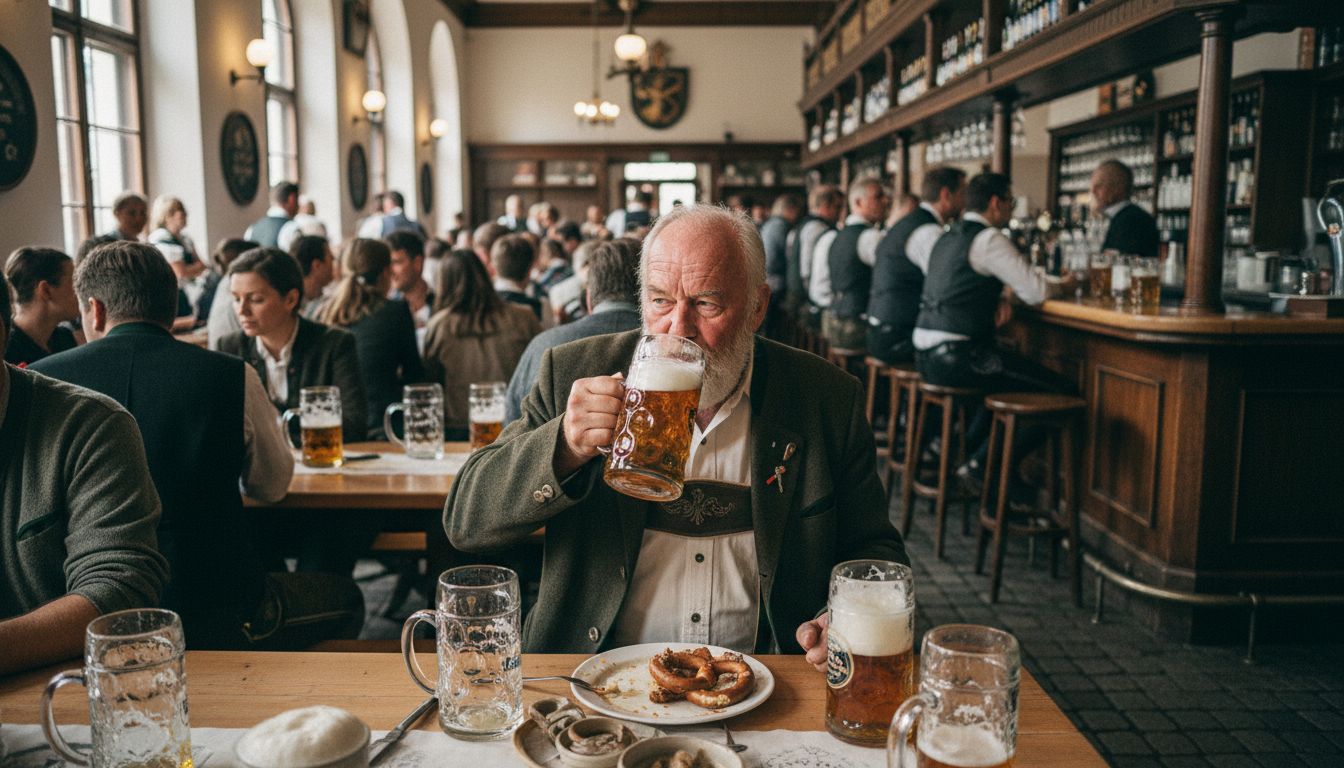
Christoffer Paul Hammer was reportedly known by the nickname “The Black Hammer,” a reference to his dark hair, stern personality and reputation for toughness. The account says that, during his student years in Copenhagen, he was known for physically removing unwanted patrons from a favored pub. As a parish priest, he was remembered in the legend as deeply religious and uncompromising—an especially powerful position in 18th-century Norway, when the clergy exercised broad influence over community life.
Confirmation and the Fate of the Boy
The central episode concerns a boy whom the priest allegedly refused to confirm. The source does not establish whether the decision was made by Christoffer Paul Hammer or his son, and it notes that there is no clear record explaining the boy’s identity or the precise reason for the refusal. The story’s emotional force rests on what supposedly followed: without confirmation, the boy’s prospects were severely restricted, ultimately leading to tragic consequences.
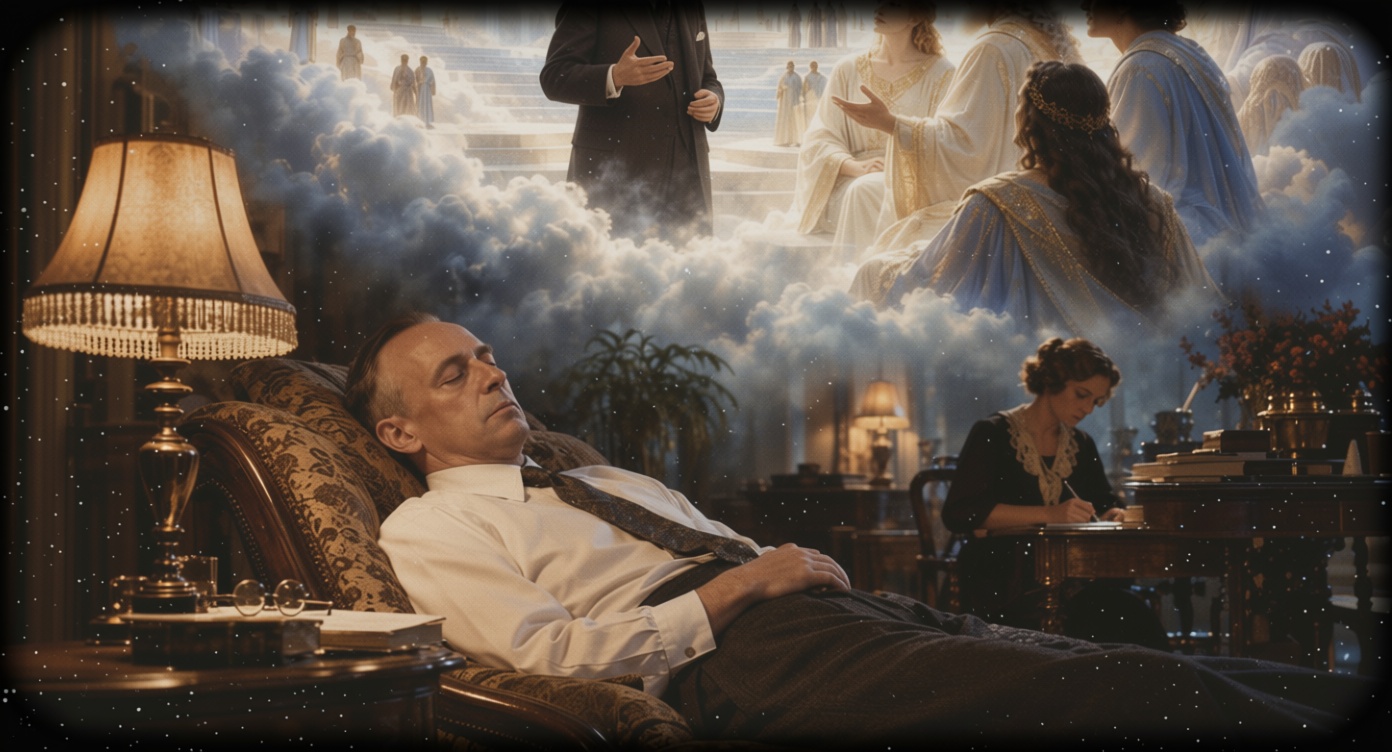
Confirmation was not merely a religious ceremony in Norway and Denmark during this period. Made mandatory by law in 1736, it served as a legal gateway into adulthood. A confirmation certificate was required for marriage, military service, serving as a baptismal godparent and acting as a witness in court. Young people who failed the public examination could be dismissed and required to try again the following year; those who did not appear by age 19 could face severe punishment, including placement in a house of correction or corporal punishment.
A Wider Landscape of Hauntings
The vicarage legend forms part of a broader collection of supernatural stories associated with Sande. The local church is said, in folklore, to have been cursed during the Middle Ages, with one prediction claiming that it will eventually slide into the Sande River around Pentecost. Another tradition holds that the church bells ring by themselves around Christmas.
There is no documented evidence that the Blue Hall is haunted or that the events involving the boy occurred as described. Instead, the tale appears to blend local history, memories of former clergy and the harsh social consequences of religious authority into a ghost story centered on guilt and unfinished responsibility. Whether regarded as folklore, historical tradition or paranormal report, the Brown Man remains one of Sande’s enduring local legends.