Overview
Across the Caribbean, the Loogaroo has long been one of the most feared figures in local folklore: a shape-shifting vampire said to leave her skin hanging in a tree at night before going out to hunt. In the version preserved in Haitian, Grenadian and Louisiana Creole traditions, the creature is not the undead aristocrat familiar from European vampire stories, but a living person transformed by dark forces. According to the legend, the Loogaroo feeds on blood to satisfy an unnatural hunger and to repay a dark lord for the supernatural powers she has been granted.
What makes the Loogaroo especially striking is the way the story combines elements from different cultural traditions. The myth reflects a blend of European, Indigenous and African influences that were carried, exchanged and reshaped across colonial Caribbean societies. Rather than existing as a single fixed tale, it developed into a regional warning story with multiple versions, each adapted to local fears and beliefs about witchcraft, secrecy and spiritual power.
Origins and Meaning
The name Loogaroo is widely understood to come from the French loup-garou, meaning “werewolf.” But over time, the Caribbean version diverged sharply from its European origin. In French and broader European folklore, the loup-garou is typically a cursed human who becomes wolf-like, either through magical punishment or involuntary transformation. In the Caribbean, however, the term evolved into something more specific and unsettling: a vampiric, often female creature who sheds her human skin at night and hunts unseen.
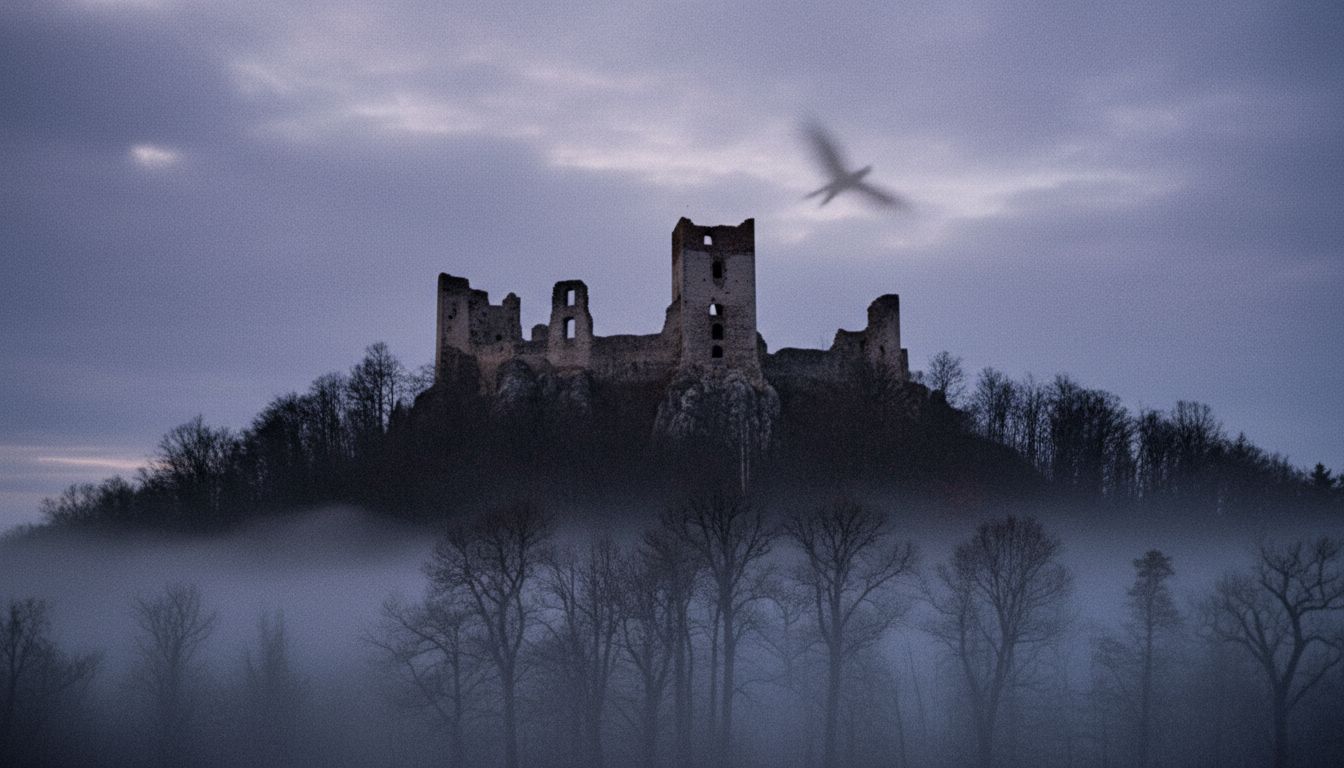
That transformation is central to the legend. In the most common telling, the Loogaroo removes and hangs her skin in a tree, then becomes a supernatural being capable of moving through the night to find victims. This detail distinguishes the figure from the more familiar grave-rising vampire and places her closer to regional shape-shifter traditions. The article notes that, in some stories, the Loogaroo is a woman who has entered a pact with dark powers, making her less a werewolf than a witch-like predator dependent on blood to survive.
Relationship to Other Caribbean Legends
The Loogaroo is often compared to the Soucouyant, another fearsome Caribbean folkloric figure. Like the Loogaroo, the Soucouyant is associated with shape-shifting, blood-drinking and hidden nocturnal activity. The overlap suggests that Caribbean oral traditions have not always kept these entities neatly separate. Instead, they appear to share a common cultural function: explaining harm, fear and the dangers of invisible spiritual forces in everyday life.
Later adaptations also introduced a male counterpart, sometimes called Loogahoo, portrayed as a wealthy, well-dressed man who has corrupted himself through a deal with the Devil. In these versions, he lures victims—often young women—to their deaths, again showing how the myth has expanded beyond a single image. Across its variants, the Loogaroo remains tied to the idea of blood as both sustenance and payment, reinforcing the theme of supernatural power purchased at a terrible cost.
Cultural Legacy
The enduring appeal of the Loogaroo lies in its flexibility. It is at once a vampire tale, a witch story and a shape-shifting legend, carrying traces of colonial history and local spirituality. As with many folklore figures, its power comes not from consistency but from repetition and adaptation. The Loogaroo persists because it speaks to very old anxieties: the fear of neighbors who may not be what they seem, the danger of hidden bargains, and the possibility that darkness can be worn like a second skin.
Today, the Loogaroo continues to circulate in Caribbean storytelling and broader ghost traditions, preserving a vivid reminder of how folklore travels and changes. Far from being a simple monster story, it is a cultural artifact shaped by migration, colonization and oral transmission—one that still captures the imagination with its eerie image of a human body abandoned, skin hanging in a tree, while something else slips into the night.