Overview
Lund University is highlighting a question that has long sat at the edge of scientific debate: whether UAP research is finally becoming more acceptable in academia. In an event hosted by the university’s Pufendorf Institute for Advanced Studies, the school is drawing attention to a growing body of scholarly interest in unidentified anomalous phenomena—the term increasingly used in place of UFOs. The discussion reflects a wider shift in how some researchers and institutions are approaching a subject that has historically been treated with caution, if not outright skepticism, within universities.
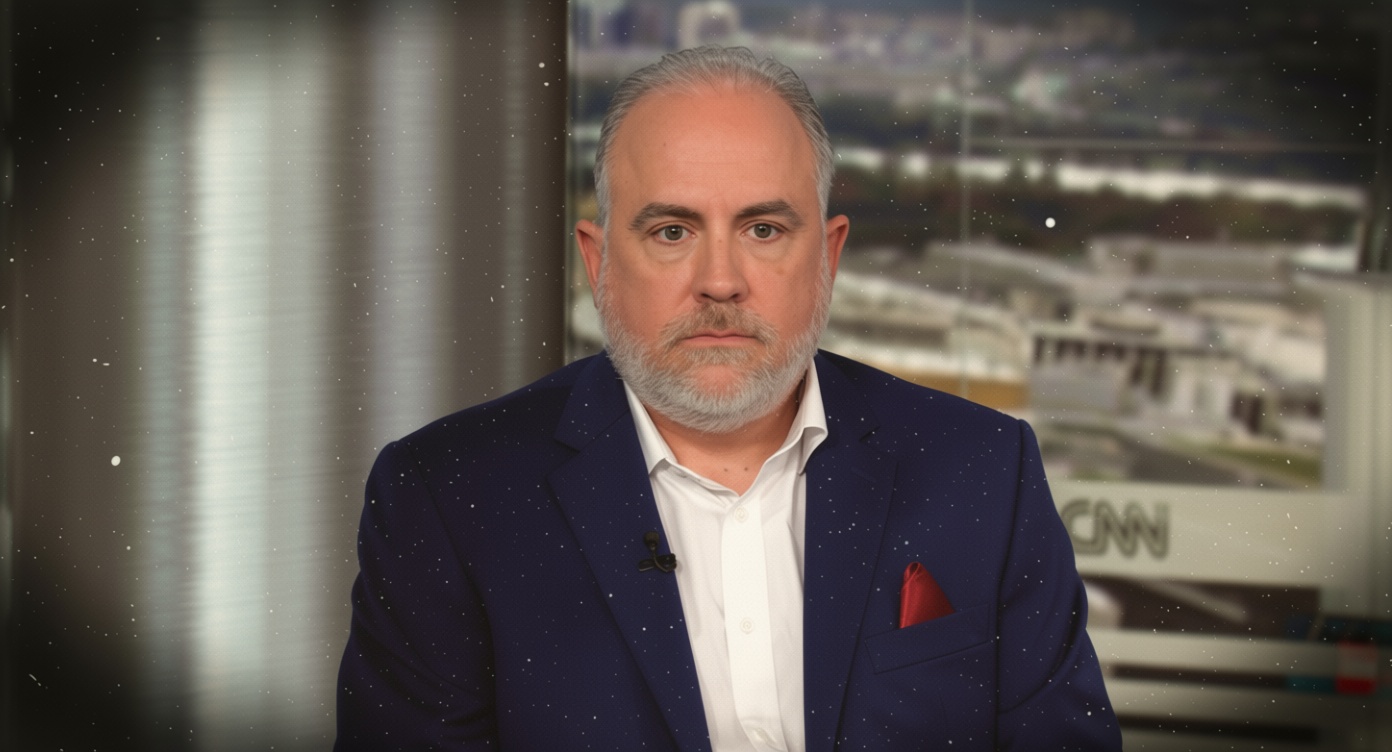
The event, titled “Is UAP research (finally) welcome into the academic warmth?”, features science philosopher Michael Cifone, Ph.D., founding director of the Society of UAP Studies (SUAPS) and founder of the peer-reviewed journal Limina, which publishes research on the UFO phenomenon. According to the event description, Cifone’s work focuses on non-human intelligence (NHI) and on why scientific progress in this area has remained limited across the 80-year modern history of the subject. His central argument is that serious research should begin not with the phenomenon itself, but with the reasons it has failed to become a cumulative science.
A Shift in Academic Attitudes
Lund’s framing suggests a broader change in the status of UAP studies. The university notes that academic interest in the field has historically been discouraged, but says a “clear shift is underway.” That shift is visible, at least in part, through the emergence of research groups at major universities including Stanford University, the University at Albany, Harvard University, the University of Würzburg, and Durham University. While the field remains controversial, the presence of such groups indicates that UAPs are no longer confined entirely to fringe communities or popular culture.
Cifone’s approach emphasizes three domains: institutional and political conditions that have shaped UAP research, empirical challenges facing observational programs, and the formal and conceptual questions that remain unresolved in the most difficult cases. That framing reflects a move toward treating the issue as a legitimate subject for inquiry rather than a speculative topic driven by anecdote alone. For supporters of the field, this is part of a broader effort to build transparent, scientifically grounded methods and to examine not only unexplained sightings, but also the social and epistemological implications of the phenomenon.
Lund’s Role and the Swedish Context
The event is being organized by the Advanced Study Group Anomalous Agenda at the Pufendorf Institute for Advanced Studies, described by Lund as the first interdisciplinary research group of its kind in Sweden. The group aims to develop “transparent, scientifically based knowledge” to understand and explain the UFO phenomenon. Its coordinators are Anders Warell, a professor in the Department of Design Sciences, and Melina Tsapos, Ph.D., from the Department of Philosophy. By hosting the talk, Lund appears to be positioning the debate within a broader academic framework rather than as a niche subject of interest.
The university is also inviting public participation, with registration open until 4 September at 18.00. That openness suggests an effort to normalize discussion of UAP research as a legitimate topic of scholarly exchange. At the same time, the event’s wording underscores how carefully institutions continue to navigate the line between curiosity and credibility when engaging with such a politically and scientifically sensitive field.
U.S. Developments Shape the Debate
The Lund event also points to the United States as the main engine of recent UAP momentum. The university notes that the phenomenon is global, with tens of thousands of reported incidents each year, but says significant progress has come in the U.S. since a 2017 New York Times investigation revealed that the Department of Defense and intelligence agencies had been examining UFO cases for decades. Since then, the issue has gained further visibility through four congressional hearings since 2022, where whistleblowers have described alleged secret programs and argued that the subject has been discredited in public discourse.
That combination of academic interest, government scrutiny, and renewed public debate is helping to reshape the conversation. For Lund University, the question is no longer simply whether UAPs exist, but whether the study of them can move from the margins into the mainstream of scholarly research.