Overview
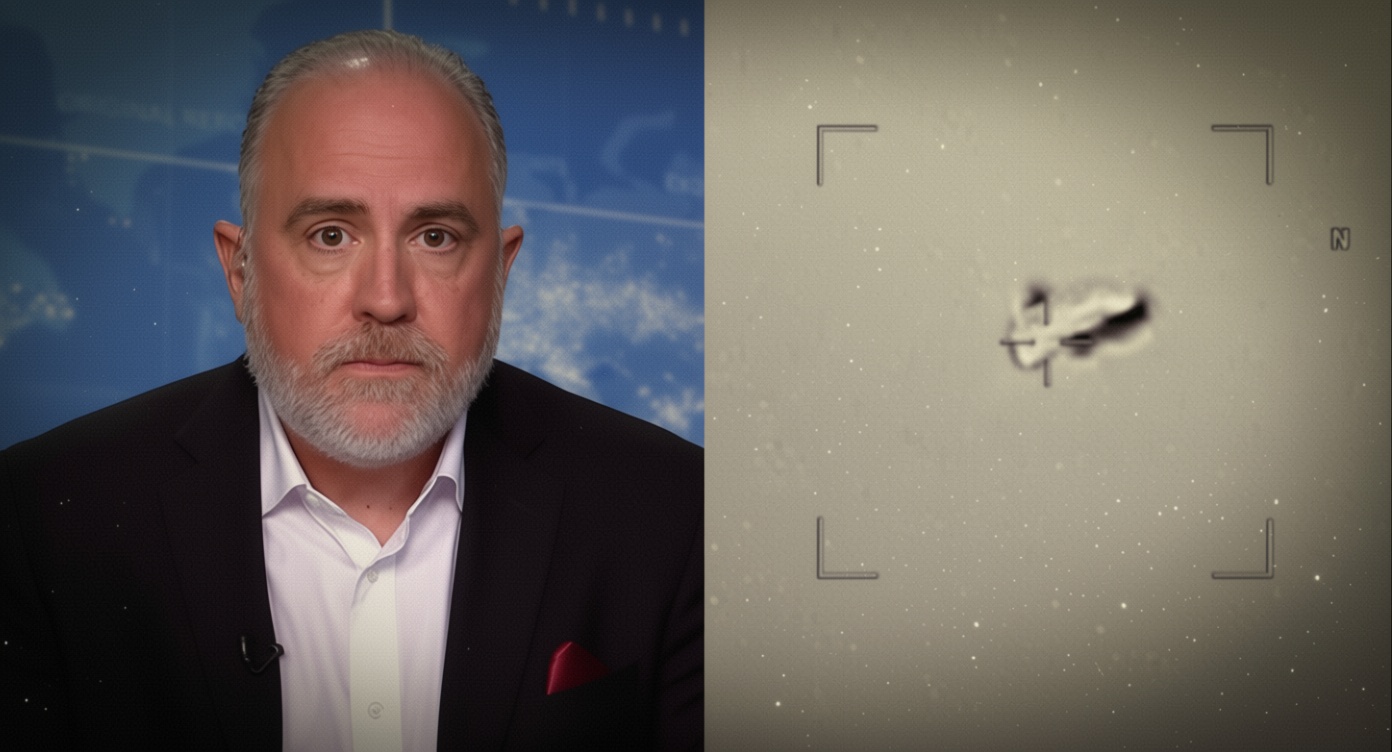
Former Pentagon metadata analyst Matthew Brown is casting the UFO disclosure debate in a different light: not as a countdown to proof of extraterrestrial life, but as a potential reckoning over government secrecy. Speaking on the conservative webcast Judicial Watch, Brown said the most significant fallout from any future disclosure would likely come from what it reveals about how information has been controlled, compartmentalized, or withheld. “I think the biggest shocks will come, if disclosure comes, from realizing what we have done to maintain the secrecy,” Brown said.
Brown, who authored Immaculate Constellation in 2024, has described the 11-page document as a shadow dossier containing information he says Congress has not properly acknowledged. The source material portrays him as a whistleblower figure in the broader UAP conversation, but his claims remain unverified and sit within a politically charged debate over what governments know, what they have disclosed, and what they may still be hiding.
The focus shifts from aliens to institutions
Rather than emphasizing recovered craft, propulsion breakthroughs, or direct evidence of nonhuman technology, Brown framed the issue as a moral and civic one. “Everything I have seen... is digestible,” he said, adding that “what is not digestible is human behavior” in response to the problem of secrecy. In other words, Brown argued that the most difficult part of disclosure would not be the existence of unusual phenomena itself, but the institutional behavior surrounding it.
He went further, saying that humanity may not be alone “on our own planet” in terms of sharing it with “other sentient intelligent life.” That claim, which Brown presented as part of his broader worldview, would be extraordinary if substantiated, but the article does not provide independent evidence supporting it. Brown’s central point, however, was less about proving aliens and more about asserting that information of this magnitude “should not be classified and withheld... from the human family as a whole.”
Calls for transparency and public accountability
Brown’s comments reflect a recurring argument in the UAP disclosure movement: that even if the public never receives definitive proof of extraterrestrial visitors, the process of disclosure could still expose how intelligence, defense, and oversight systems operate behind closed doors. Supporters of greater transparency often argue that Congress and the public deserve a full accounting of previous decisions, including why certain programs were classified and who had access to them.
That framing has helped shift the discussion away from sensational speculation and toward questions of governance, accountability, and oversight. For advocates, the issue is not simply whether “aliens” exist, but whether government institutions have been honest about what they know and how they have managed UAP-related information. Brown’s remarks fit squarely into that narrative, presenting disclosure as a potential institutional scandal rather than a mere scientific revelation.
Online reaction and broader context
Brown’s comments have also fed wider online discussion, where his Immaculate Constellation material has been linked by some users to more speculative claims about hidden programs and advanced technology. The article notes that some Reddit users have even entertained the idea that government AI systems could suppress UFO-related content from public platforms, though such assertions remain speculative and unsupported by the reporting provided.
Taken together, Brown’s message is clear: the real disruption of disclosure, if it ever comes, may be less about confirming life beyond Earth than about exposing the lengths to which institutions have gone to keep the public in the dark. For now, that remains a claim in search of corroboration — but it is one that continues to resonate in a debate increasingly centered on secrecy, trust, and the public right to know.