Overview
The UK Ministry of Defence (MoD) has رفضed calls to reopen its investigation into Scottish UFO and UAP reports or to release any new files beyond those already archived, saying that no sighting reported to the department has ever indicated a military threat to the United Kingdom. The response came after Scottish researcher Malcolm Robinson urged UK authorities to follow the lead of their US counterparts, who have recently made additional material public on unidentified anomalous phenomena. For campaigners, the decision reinforces what they see as a long-running reluctance in Westminster to engage with the topic, even as interest in unexplained aerial sightings continues to grow.
MoD: national security takes priority
In a letter signed by the MoD Air Policy Secretariat, officials said the department has no opinion on the existence of extraterrestrials, UFOs or UAP, but stressed that its resources are reserved for national defence priorities. “In over 50 years, no sighting reported to the Department has indicated the existence of any military threat to the United Kingdom,” the letter stated, adding that it was “more valuable to prioritise MOD staff towards other Defence-related activities.” The MoD also reiterated that it ceased investigating UFO and UAP reports in 2009, and said all relevant files created up to that point have already been transferred to The National Archives. While declining further investigation, the department sought to reassure the public that the UK’s air defence system continues to monitor national airspace to maintain a “recognised air picture” and support NATO airspace integrity.
Scottish sightings and the Falkirk Triangle
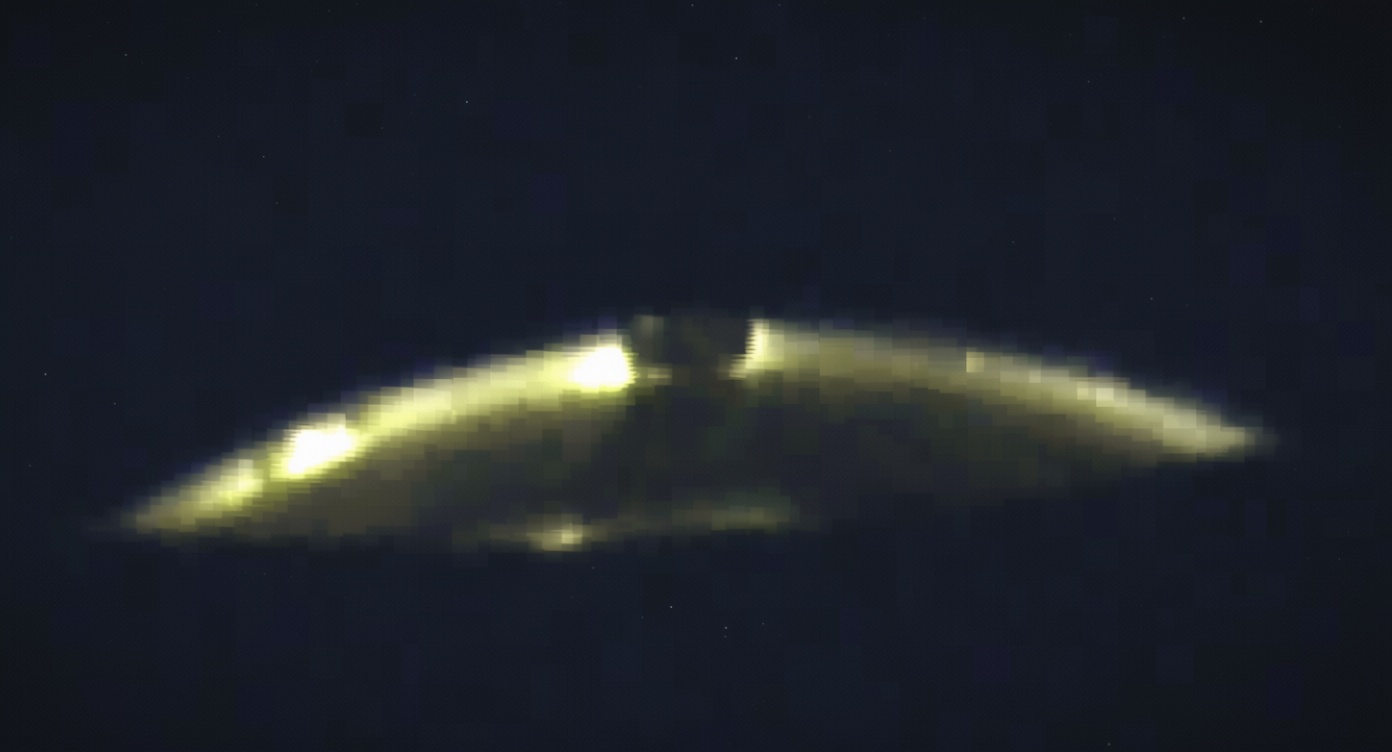
The rejection will disappoint those who have long argued that Scotland’s unexplained aerial reports merit fresh scrutiny. During the 1990s, a cluster of sightings in central Scotland — particularly around Stirlingshire and Falkirk — became known as the Falkirk Triangle, drawing attention from local residents and international UFO researchers alike. One public gathering in January 1993 reflected the level of concern and fascination at the time, as footage, images and witness accounts continued to circulate. Although some claims were later challenged as hoaxes or misidentifications, the area developed a reputation as one of the UK’s best-known UFO hotspots. For Robinson and others, the persistence of reports over decades is reason enough to reopen the file.
Researcher frustration and transatlantic contrast
Robinson, who has written multiple books on the subject, has repeatedly pressed former prime ministers and local representatives — including Bonnybridge councillor Billy Buchanan — to launch a formal inquiry into sightings across Scotland. He and Buchanan say they have spent years cross-referencing aviation, military and police records in an effort to eliminate conventional explanations. According to the source material, they feel their efforts have been met with ridicule and dismissal rather than proper examination. Robinson’s criticism is sharpened by the more open approach in the United States, where the Pentagon has recently released additional UFO-related records. That contrast, he argues, raises an obvious question: why should the UK remain closed to further review when one of its closest allies is treating the issue as worthy of transparency?
Broader implications
The MoD’s position underlines a familiar divide in UAP reporting: public curiosity and witness testimony on one side, and defence institutions focused narrowly on threat assessment on the other. By framing the issue as one of national security rather than unexplained phenomena, the department has signaled that the UK is unlikely to revive a dedicated UFO programme. Still, continued disclosures abroad and enduring Scottish interest in cases like the Falkirk Triangle suggest the debate is far from over. For researchers, the question is no longer simply whether strange objects were seen, but whether governments should do more to document, contextualize and explain what people are reporting in the skies.