Overview
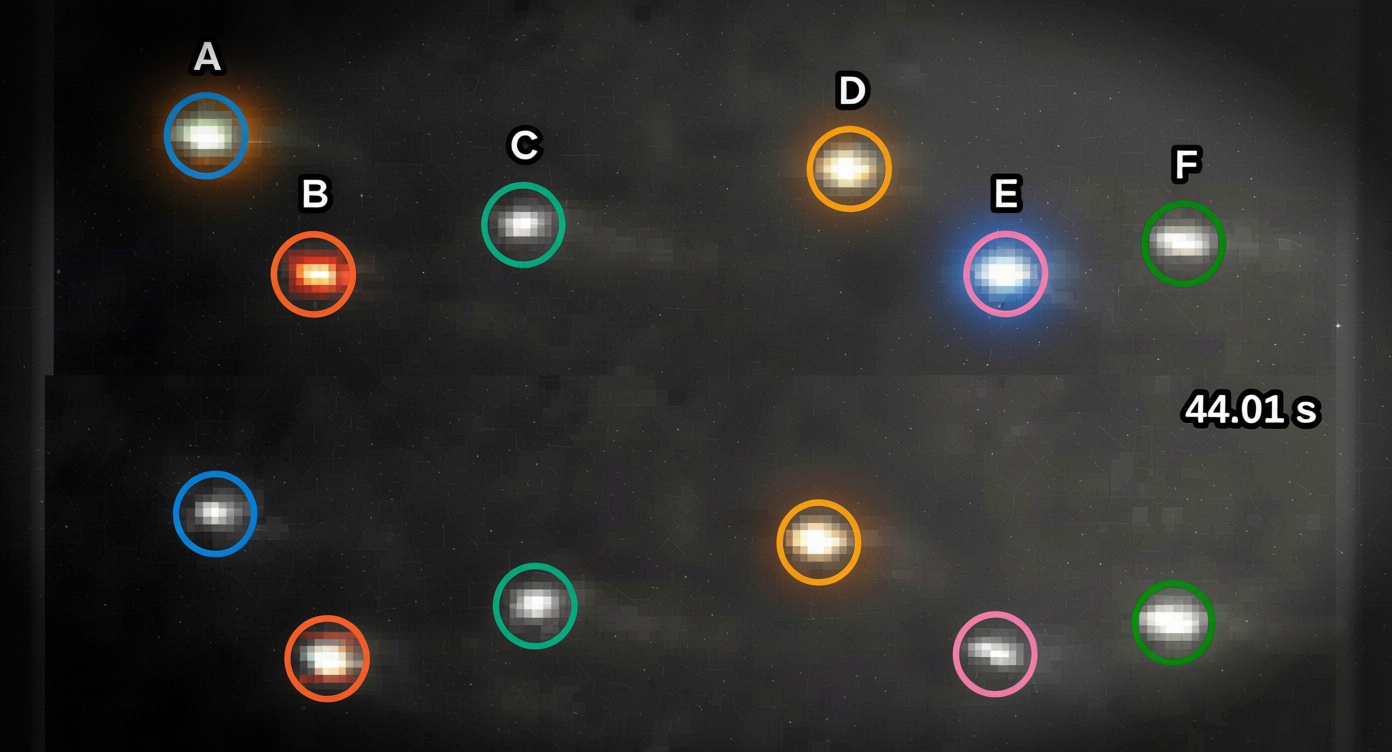
More than 8% of sensor videos declassified by PURSUE may show birds rather than unidentified aerial phenomena, according to a report by astrophysicist Avi Loeb. The claim appears in a Medium article titled “In More Than 8% of the Sensor Videos Declassified by PURSUE, the UAP Might Be Birds.” However, the available source material provides no additional information about the videos, the review process, or how the percentage was calculated.
The report is significant because it highlights a central challenge in analyzing unidentified aerial phenomena (UAP): an object can remain unidentified without being extraordinary. Birds, insects, balloons, aircraft, drones, and imaging artifacts can all appear unusual when captured by sensors at a distance or under conditions that limit the available visual information.
What the Report Says
Loeb’s assessment is narrowly described in the supplied material. It states that more than 8% of the declassified sensor videos “might be birds,” but does not identify the individual clips involved or explain whether the figure represents a preliminary visual review, a statistical estimate, or a formal classification. It also does not clarify whether the videos were examined by one analyst or multiple reviewers.
The wording is cautious. “Might be birds” does not establish that the objects have been conclusively identified, nor does it indicate that all of the relevant footage depicts birds. Instead, it suggests a possible explanation for a portion of the imagery. That distinction is important in UAP reporting, where unresolved cases are often discussed before sufficient data are available to determine an object’s nature.
Limits of the Available Evidence
The source page could not be accessed directly for independent review. The URL returned a 403 Forbidden error and displayed a prompt to enable JavaScript and cookies, leaving the article’s full text unavailable. As a result, the available information does not include supporting images, timestamps, sensor specifications, flight characteristics, or the analytical criteria used to reach the 8% estimate.
Those missing details make it impossible to assess the reliability of the conclusion from the supplied material alone. A rigorous evaluation would normally require access to the original files, metadata, sensor type, viewing geometry, environmental conditions, and a transparent explanation of how potential bird activity was distinguished from other possibilities.
Broader UAP Context
Possible bird identifications are consistent with a longstanding issue in the study of UAP: limited or ambiguous sensor data can make ordinary objects appear anomalous. Apparent speed, shape, and motion may be distorted by camera movement, perspective, image processing, compression, or the interaction between an object and a sensor’s field of view. Without corroborating data from additional sensors or observers, a short video may not support a definitive conclusion.
At the same time, identifying some videos as likely birds would not, by itself, resolve every case in a broader collection. It would instead demonstrate that at least part of the dataset may have conventional explanations. Determining whether other videos represent aircraft, drones, atmospheric phenomena, sensor artifacts, or genuinely unexplained objects would require separate analysis.
What Remains Unclear
The available report does not provide a detailed accounting of PURSUE’s declassified collection or explain the organization’s full name, scope, or release criteria. It also does not indicate whether the 8% figure is final or subject to revision as additional analysis becomes available. Until the underlying footage and methodology are made accessible, the claim should be treated as a preliminary assessment rather than a confirmed finding.
Further transparency—including publication of the relevant videos, analytical notes, and classification standards—would allow independent researchers to test the conclusion. For now, Loeb’s report underscores both the value and the limitations of declassified UAP imagery: such footage can invite investigation, but its meaning depends on evidence that can be independently examined.