Overview
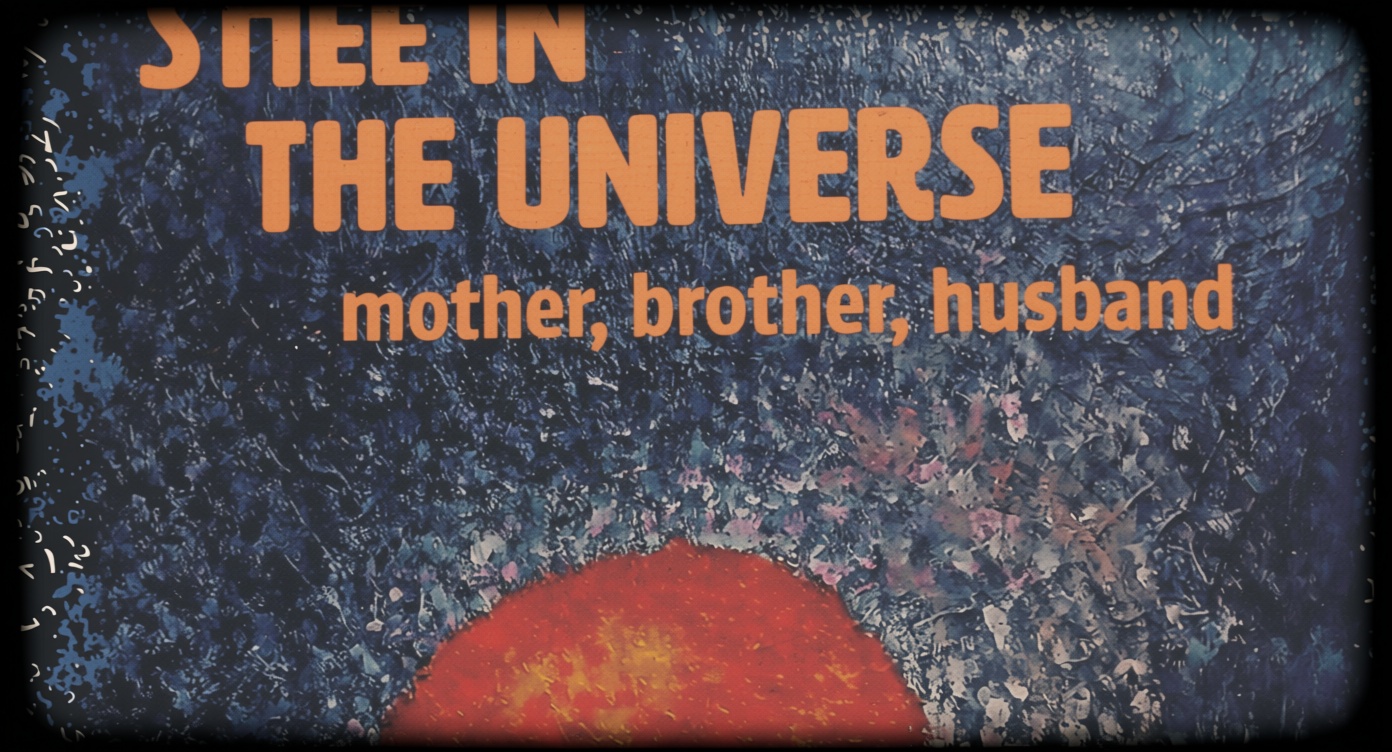
Mississippi author R.J. Lee is turning a lifetime of extraordinary personal experiences into a memoir that sits at the intersection of grief, spirituality and the paranormal. In Still in the Universe: Mother, Brother, Husband, published Aug. 25, 2026, Lee reflects on what he believes were signs from family members after their deaths — moments that, to him, suggested they remained present in some form beyond mortality.
The book marks Lee’s first memoir after publishing 16 novels, including 2024’s The Majestic Leo Marble. It opens with an Einstein epigraph about miracles, a fitting frame for a work that asks readers to consider whether everyday life may contain moments of quiet transcendence. Rather than arguing for a single interpretation, Lee presents his experiences as deeply personal, offering them as comfort and testimony rather than proof.
Grief, memory and family history
The memoir begins with the death of Lee’s mother on Nov. 1, 1992, an event he describes as sudden and disorienting, especially because she died while his parents were on a trip. Lee writes about his grief with striking immediacy, comparing the experience to being forced into a role in a film he never auditioned for — a metaphor that captures the shock and unreality of bereavement.
That opening also establishes one of the memoir’s central emotional threads: Lee’s complicated but enduring relationship with his mother, including her response to him coming out when he was 27. By bringing family dynamics into the story alongside loss, Lee situates the paranormal elements within a larger portrait of love, conflict and reconciliation. The result is less a ghost story than a family memoir shaped by what remains after death.
Signs from beyond
From there, Lee turns to what he believes were messages from his deceased mother, later followed by similar experiences involving his brother and husband. The source material does not spell out each encounter in detail, but it makes clear that Lee interprets these moments as evidence that his loved ones were still “part of the universe” and somehow reaching across the divide to reassure him.
One recurring motif is the idea of signs appearing in familiar forms. Lee’s account, according to the feature, includes references that readers familiar with folklore may recognize, including the symbolism often attached to cardinals. The memoir’s power appears to lie not in trying to convince skeptics, but in documenting how such moments can be emotionally sustaining for someone in mourning.
A personal narrative, not a prescription
Lee is careful not to frame his experiences as universal truths. Instead, he emphasizes that the book reflects his own understanding of events and that readers are free to accept or reject it. That stance gives the memoir a notably restrained tone in a genre that can easily tip into certainty or confrontation.
In that sense, Still in the Universe functions as both a spiritual reflection and a study in grief. It invites readers to consider how memory, coincidence and belief can overlap in the aftermath of loss, while leaving room for skepticism. Lee’s approach is gentle rather than doctrinaire, and that may be what makes the memoir resonant: it does not demand agreement, only attention.