Overview
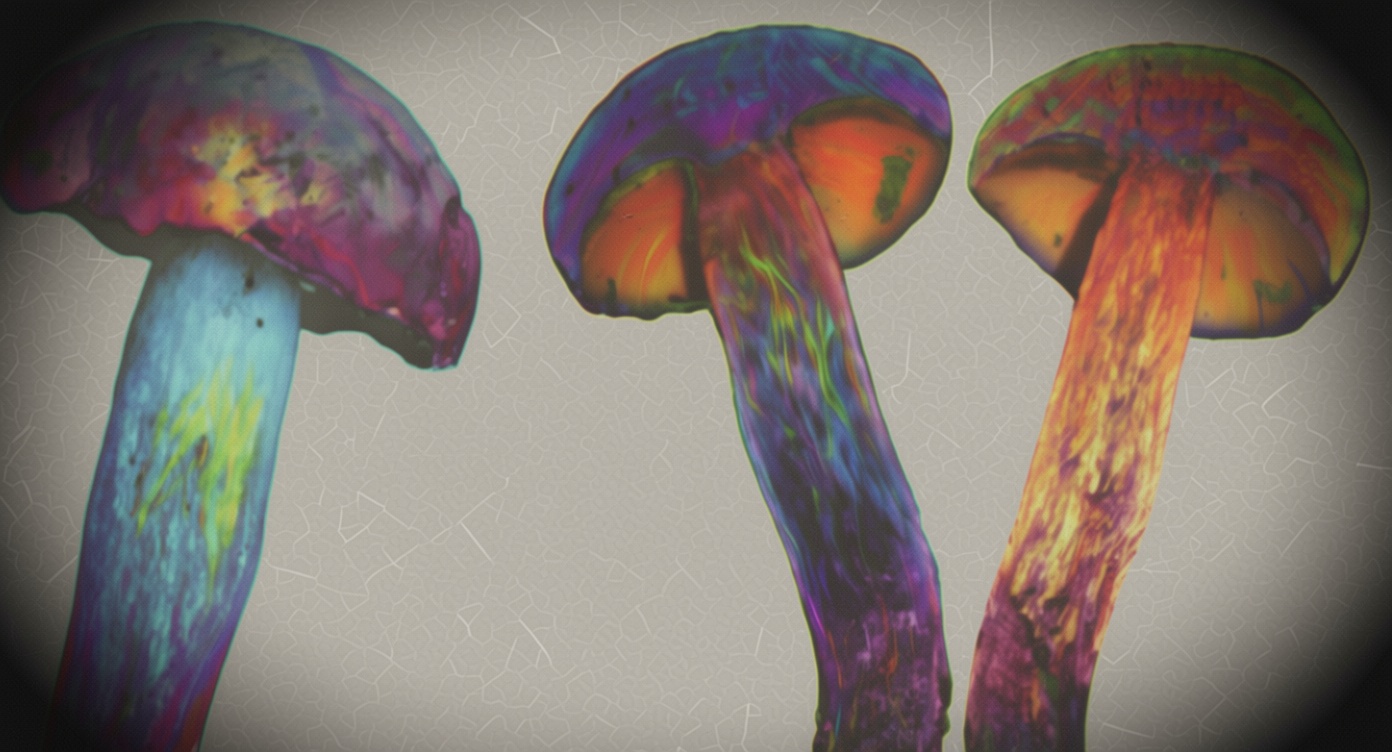
A wild mushroom sold in markets across Yunnan, southwestern China, is drawing scientific attention for an unusual and unsettling effect: when eaten undercooked, Lanmaoa asiatica can trigger vivid hallucinations of miniature people, a phenomenon formally known as Lilliputian hallucinations. For years, the mushroom’s bizarre effects led many to assume it contained a familiar psychedelic compound. But a new genomic study suggests otherwise. Researchers at the University of Utah report that the species appears to lack the genes associated with psilocybin and ibotenic acid, two of the best-known mushroom hallucinogens.
The findings, published in Mycologia, are significant because they challenge a straightforward explanation for the mushroom’s psychological effects. “Biosynthetic gene mining of the L. asiatica genome found no close hits with any genes known in the production of mushroom psychoactive compounds,” the researchers wrote. “This supports our hypothesis of the presence of a novel unidentified metabolite responsible for the unique hallucinogenic properties of L. asiatica.” In other words, the mushroom seems to be producing hallucinations through a chemical pathway scientists have not yet identified.
What the researchers found
To investigate the mystery, mycologists Colin Domnauer and Bryn Dentinger sequenced 53 mushroom samples from across the broader Lanmaoa genus. Their analysis did not just focus on the species known for causing hallucinations; it also revealed a wider and more complex genetic picture of the genus itself. Among the specimens, the team identified two new species, including Lanmaoa carbonilivor, expanding scientific understanding of this little-studied group of fungi.
The study also found 1,515 corresponding genes across the selected specimens, helping clarify what distinguishes species within the genus. That taxonomic work matters because fungal classification often depends on both visible traits and genomic evidence, and the Lanmaoa group has not been thoroughly mapped until recently. The researchers said the phylogeny and genomic data could aid future drug discovery efforts and shed light on the evolution of bioactive compounds within the genus.
A strange but documented intoxication
Medical reports from Yunnan have documented dozens of intoxication cases each year, and the symptoms are not limited to seeing tiny figures. According to the source study and prior clinical observations, people who eat undercooked L. asiatica may experience dizziness, auditory hallucinations, and physical sickness. The visual distortions are the most distinctive symptom, however, and have made the mushroom a local oddity as well as a public health concern.
Importantly, no deaths linked to the mushroom have been reported so far, which distinguishes it from some other toxic wild mushrooms. Even so, experts caution that the absence of fatalities does not make the species safe. The intensity of the hallucinations can last up to 72 hours, making accidental ingestion a potentially serious and deeply disorienting experience.
Why it matters
The new findings may help researchers understand not only a peculiar intoxication syndrome but also the broader chemistry of mushrooms that produce mind-altering effects. The study’s central conclusion — that the hallucinations are likely caused by an as-yet unidentified compound, rather than psilocybin or ibotenic acid — opens the door to future biochemical work. It also underscores how much remains unknown about fungi that humans have eaten for generations but only recently begun to study at the genetic level.
For scientists, Lanmaoa asiatica is now more than a local market mushroom with a strange reputation. It is a reminder that nature’s hallucinogens are not all built the same way, and that some of the most unusual effects in biology may still be waiting for a chemical explanation.