Overview
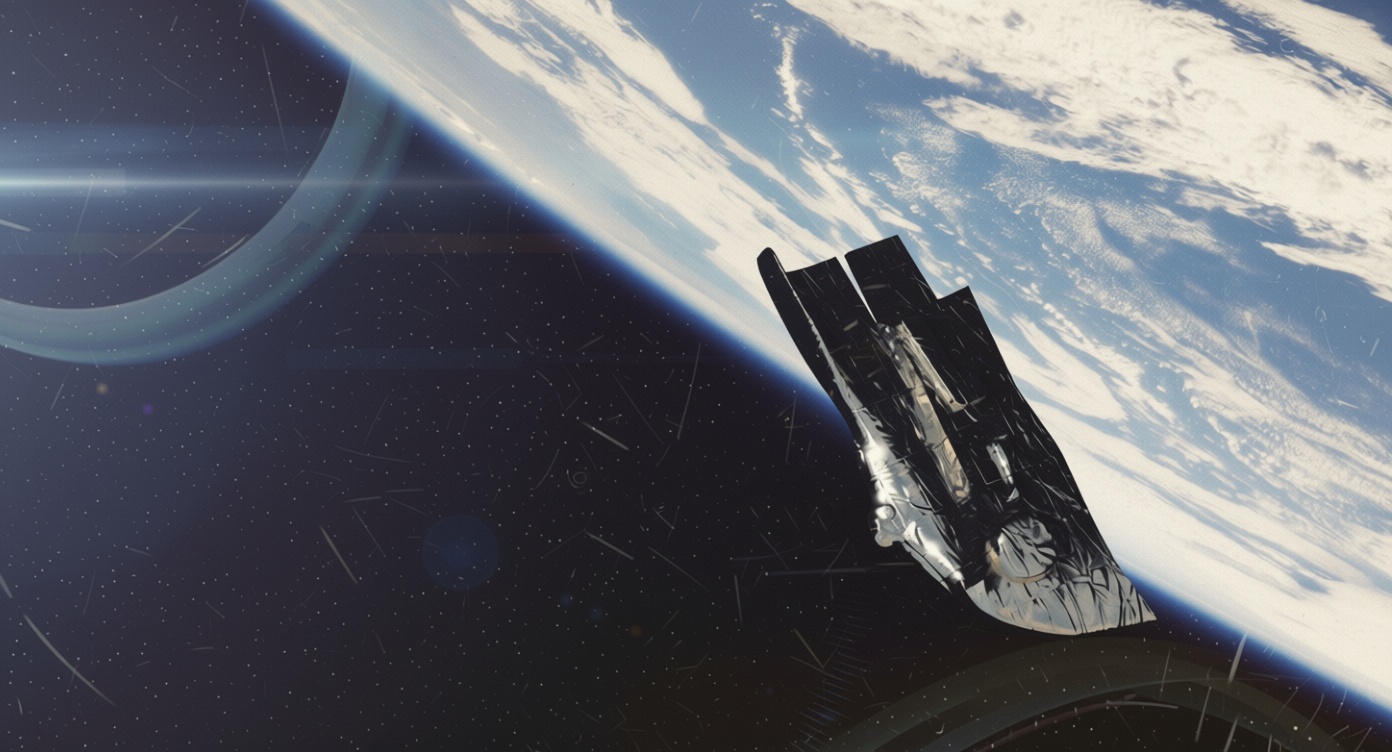
A photograph taken during NASA’s 1998 STS-88 space shuttle mission has become one of the most frequently cited images in the long-running “Black Knight Satellite” conspiracy theory. UFO enthusiasts claim the image shows an ancient, artificial object orbiting Earth—possibly an extraterrestrial spacecraft that has remained in orbit for approximately 13,000 years. NASA’s explanation, however, is considerably more conventional: the object was a thermal insulation blanket that accidentally drifted away during a spacewalk.
The Black Knight theory describes a mysterious satellite in a near-polar orbit, allegedly monitoring Earth for thousands of years. The story has circulated through UFO publications, tabloid reports and online forums, where unrelated accounts of radio signals, unusual orbital observations and spaceflight imagery have been combined into a single narrative. Scientists and space agencies have repeatedly rejected the claim that the object represents an ancient alien spacecraft.
The STS-88 Photograph
During STS-88, the first space shuttle mission dedicated to assembling components of the International Space Station, astronauts conducted spacewalks to install insulation and other equipment on the station’s Unity module. A dark, irregularly shaped object was photographed against the blackness of space during the mission in December 1998.
The image was later promoted as visual evidence of the Black Knight Satellite. Its unusual appearance—twisted, angular and apparently isolated above Earth—made it particularly compelling to viewers already familiar with the legend. NASA’s records and statements from the astronauts involved provide a more direct explanation.
According to astronaut Jerry Ross, a thermal cover became detached during the spacewalk. STS-88 commander Robert Cabana reportedly warned him, saying, “Jerry, one of the thermal covers got away from you.” The object drifted out of reach and was subsequently observed and photographed by the crew.
Tracking a More Ordinary Object
The lost cover was later catalogued by NASA under identification number 025570, allowing it to be tracked as orbital debris rather than an unidentified spacecraft. It remained in orbit only briefly before re-entering and burning up in Earth’s atmosphere several days later. That short-lived trajectory is inconsistent with the theory that the object was an ancient, stable satellite.
Former NASA engineer James Oberg has also examined the claim and identified the photographed object as the insulation blanket. Oberg has said he knew both Ross and cosmonaut Sergei Krikalev, who was involved in the mission and associated with the imagery. Their firsthand connections to the event provide additional context for interpreting the photographs.
A Myth Built From Separate Stories
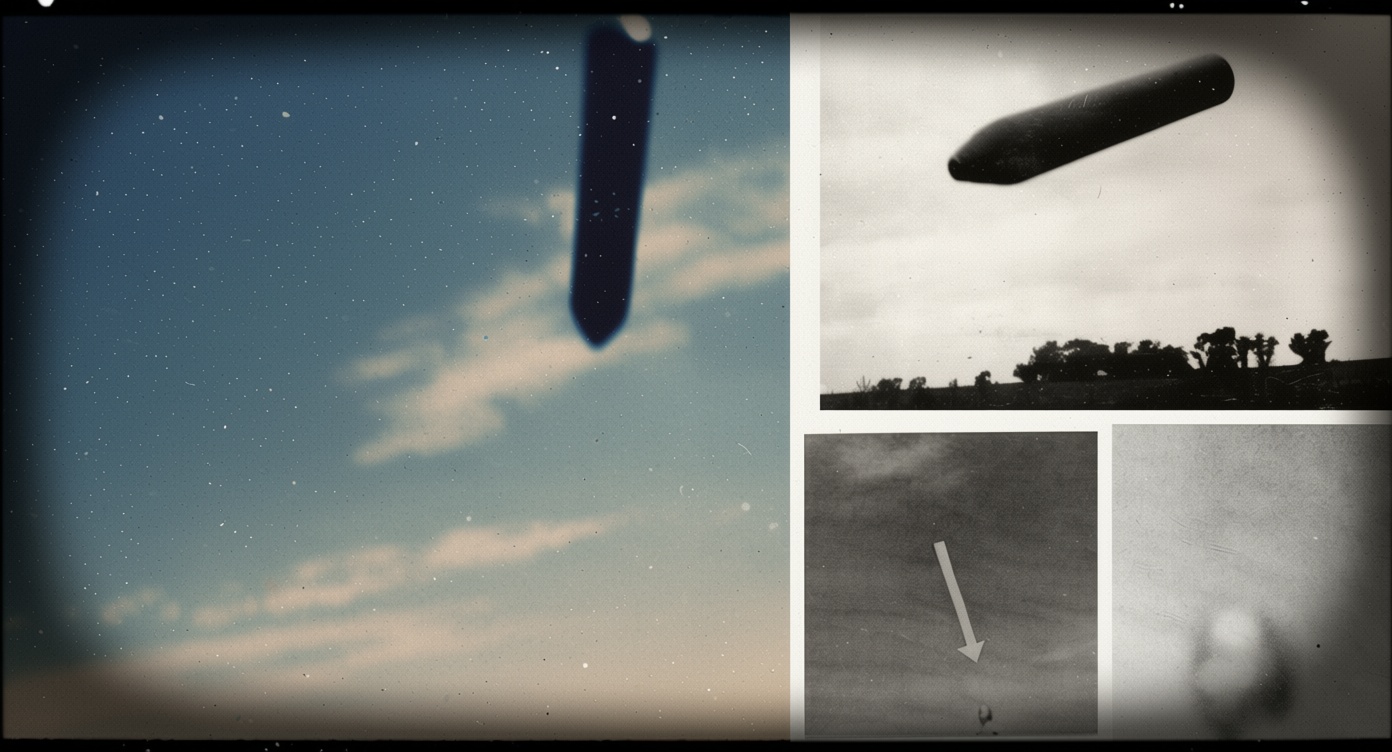
The Black Knight narrative predates the 1998 image. Its history includes reports of unexplained radio signals detected during the early development of wireless communication. Nikola Tesla’s observations of unusual signals have sometimes been presented as evidence that he detected transmissions from an alien satellite. Scientists, however, have generally attributed such signals to natural phenomena, terrestrial sources or limitations in early radio technology.
Other episodes involving unexplained radar returns and alleged polar-orbit observations were later incorporated into the same story. The result was a composite legend in which separate events, recorded across different decades, were treated as evidence of one mysterious object.
Why the Claim Persists
The STS-88 photograph remains persuasive to some audiences because it appears to show an unfamiliar object in space, while the image itself offers little indication of scale or identity. Photographs without mission context can make ordinary debris appear extraordinary, particularly when paired with a dramatic historical narrative.
Available evidence, including astronaut testimony, NASA’s cataloguing of the object and its subsequent atmospheric re-entry, supports the conclusion that the photograph shows a lost thermal blanket. The Black Knight Satellite continues to attract attention as a cultural and UFO mystery, but the documented record does not support claims that it is an ancient alien spacecraft.