Overview
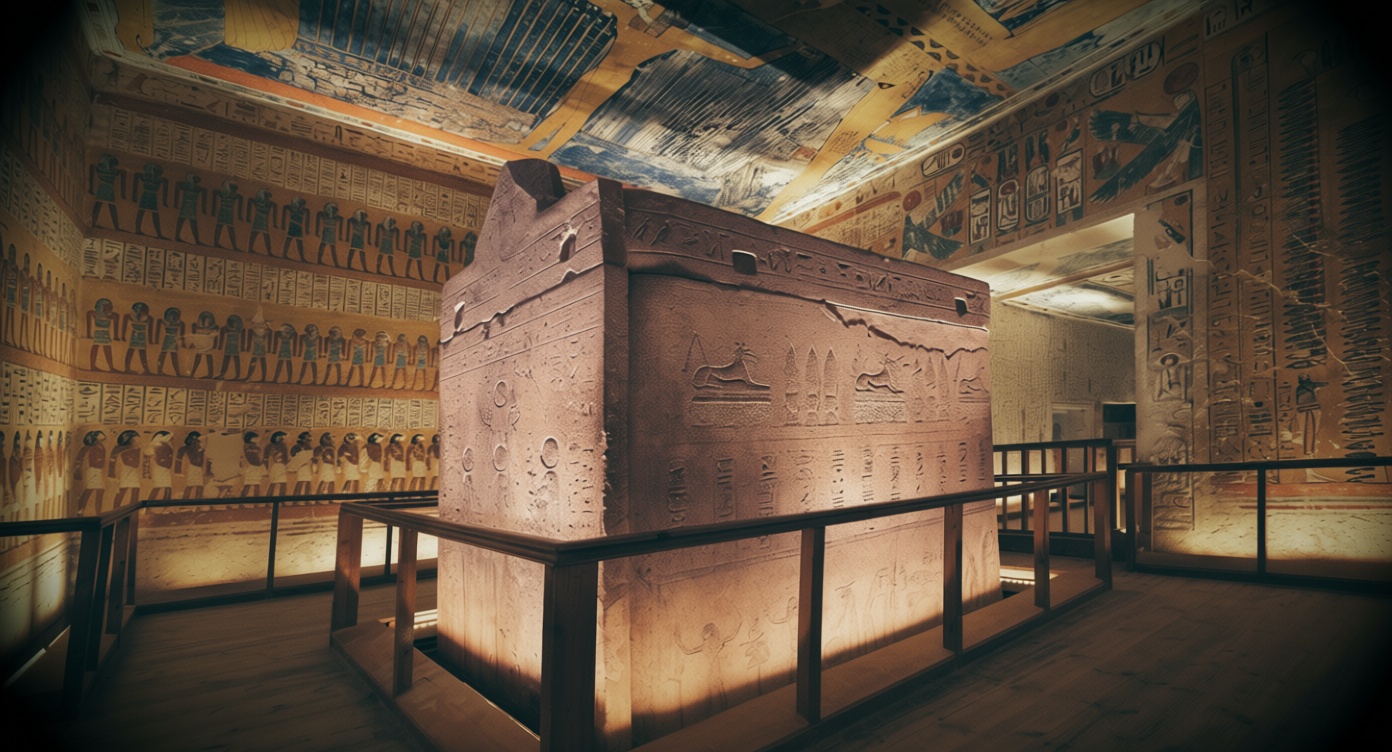
A report published by Ancient Origins on September 20, 2026, says new evidence may point to the existence of previously unidentified chambers beyond the tomb of Tutankhamun in Egypt’s Valley of the Kings. The report raises the possibility that the celebrated burial complex, known to archaeologists as KV62, could be connected to additional spaces hidden behind its existing walls.
However, the available source material provides no specific details about the alleged evidence, including the technology used, the location of any suspected voids, or the researchers responsible for the claim. It also does not indicate whether Egyptian authorities or independent archaeological teams have reviewed the findings.
Why the Tomb Matters
Tutankhamun’s tomb was discovered in 1922 by British archaeologist Howard Carter and remains one of the most important archaeological discoveries ever made. Although the young pharaoh ruled Egypt for only a short period, his largely intact burial generated extraordinary interest because it contained thousands of artifacts, including a famous gold funerary mask, chariots, furniture and ceremonial objects.
The tomb’s relatively modest size, compared with the monumental burial places of other Egyptian rulers, has long prompted questions about its construction and original purpose. Some researchers have proposed that parts of the complex may have been adapted or expanded after Tutankhamun’s death. Those theories have periodically fueled speculation that additional rooms could lie beyond the known chambers.
Earlier Searches and Disputed Findings
The possibility of hidden spaces received renewed attention after ground-penetrating radar surveys conducted in and around KV62 produced interpretations suggesting that voids might exist behind the tomb’s walls. In 2015, radar data were widely reported as supporting the idea of concealed chambers, with some commentators proposing that they could be connected to the burial of Queen Nefertiti.
Subsequent investigations, however, produced conflicting conclusions. Later radar work was reported by some specialists as finding no convincing evidence of large chambers, illustrating the difficulty of interpreting geophysical data in the complex geology and built environment of the Valley of the Kings. Radar reflections can result from natural formations, structural irregularities or changes in the rock, rather than accessible rooms.
What Remains Unclear
The latest Ancient Origins report, as represented in the supplied material, does not resolve those earlier disagreements. It refers to “new evidence” but does not identify whether the evidence consists of radar readings, architectural analysis, historical records, or another form of investigation. There is also no confirmation that any chamber has been physically entered, excavated or documented.
That distinction is important. In archaeology, an apparent void or anomaly is not equivalent to a confirmed room, and confirmation generally requires corroboration through multiple methods and careful review by specialists. Any investigation would also need to comply with Egyptian heritage regulations and avoid damage to the fragile tomb.
A Claim Requiring Verification
For now, the reported possibility should be treated as an unconfirmed archaeological hypothesis, rather than a discovery of new chambers. Further information about the data, survey methods, research team and independent assessments will be necessary before the claim can be evaluated. If verified, additional spaces near KV62 could significantly expand understanding of Tutankhamun’s burial arrangements and the development of royal tombs in ancient Egypt. Until such evidence is released, the report adds another chapter to the long-running debate over what may—or may not—remain hidden beyond the pharaoh’s tomb.