Overview
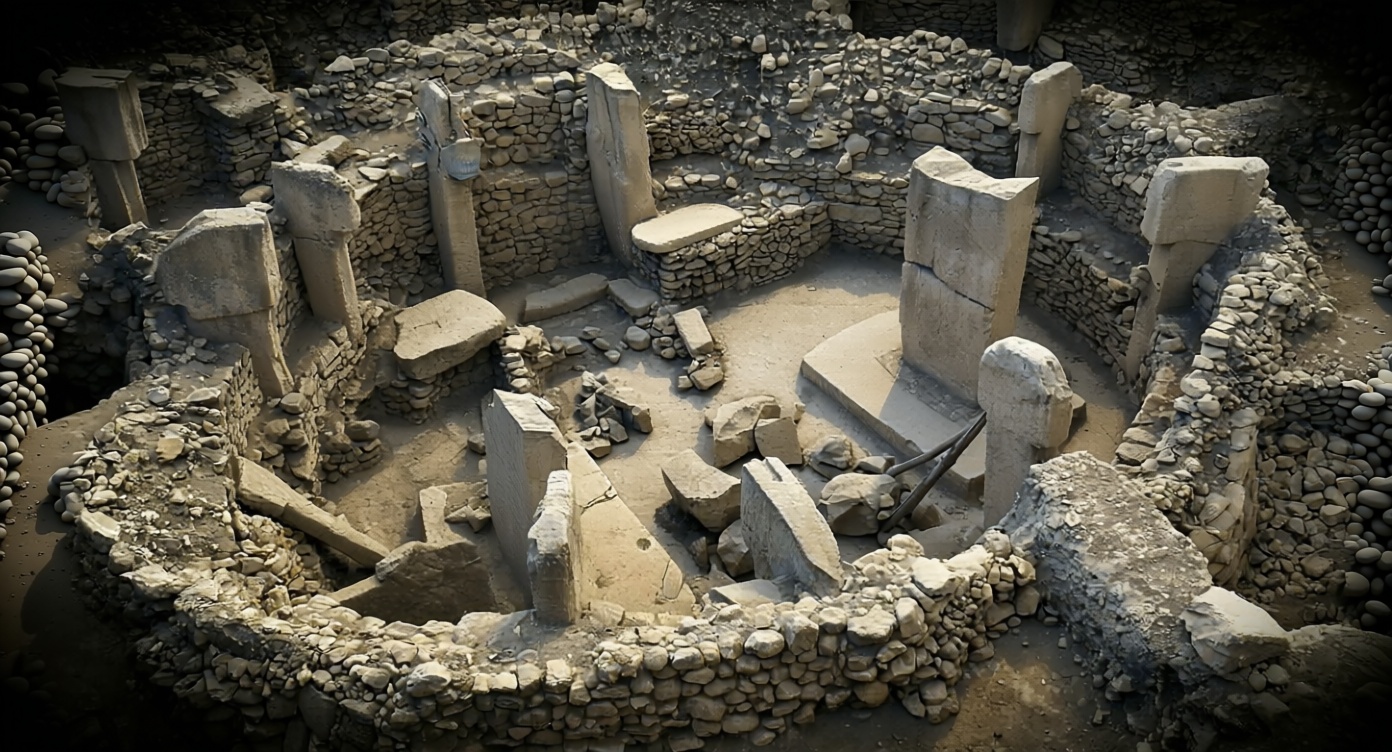
New excavations at Göbekli Tepe in southeastern Turkey are adding a new layer of complexity to one of archaeology’s most closely watched sites. Long regarded primarily as a ceremonial center built by mobile hunter-gatherers, the Neolithic complex may have also contained habitation areas, according to archaeologist Necmi Karul of Istanbul University and the Stone Hills Project. The finding, based on geophysical surveys and recent digging, suggests that at least some portions of the sprawling site may have served as living spaces rather than only ritual gathering points.
That possibility matters because Göbekli Tepe has become a touchstone for debates about the emergence of social organization, architecture, and symbolic culture in the deep past. The site’s famous T-shaped pillars and circular enclosures were already remarkable for their age—thousands of years earlier than monumental architecture in Egypt or Britain’s Stonehenge—but the new evidence raises fresh questions about how the site was used, and by whom.
What the new evidence shows
Karul said the team identified traces of several large structures buried beneath the soil that still covers much of the site, helping preserve it from both erosion and modern disturbance. While the precise function of these buildings remains unclear, their internal arrangements appear to differ from the monumental enclosures best known at Göbekli Tepe. Based on that layout, researchers believe they may have been used as housing, and in some cases perhaps as individual residences.
“Our first impression is that they [were] used as housing,” Karul said in a statement shared by the project.
If that interpretation holds, Göbekli Tepe would no longer fit neatly into the long-standing model of a purely ritual landscape set apart from domestic life. Instead, it may have been a multifunctional settlement, where people not only gathered for symbolic or ceremonial purposes but also lived, at least part of the time, within or near the monumental architecture.
Why the discovery is significant
The possibility of dwellings at Göbekli Tepe could challenge assumptions about the social world of its builders. The site dates to a period before agriculture was fully established in southwest Asia, and even before the widespread use of pottery. Archaeologists have often described its builders as hunter-gatherers, mobile groups who moved through the region in search of food rather than settling permanently in one place.
A habitation component would complicate that picture. It could indicate a more stable or seasonally repeated occupation than previously assumed, suggesting that the people who built and used Göbekli Tepe may have been experimenting with forms of semi-sedentary life earlier than once thought. That, in turn, would add to a broader scholarly shift: instead of seeing monument building as something that followed settled village life, Göbekli Tepe may show that complex ritual and domestic organization emerged together in the prehistoric Near East.
A wider pattern of surprises
The new findings also fit into a larger archaeological moment in which major discoveries continue to rewrite established narratives. Recent research has pointed to early American megaliths, ancient branding practices in Arabia, and even a mysterious statue at Sardis, each offering fresh evidence that ancient societies were often more technologically and culturally sophisticated than older models allowed. In that context, Göbekli Tepe remains especially important: it is not just an isolated marvel of early architecture, but part of a growing body of evidence showing that the ancient world still holds major surprises.
For archaeologists, the next challenge will be confirming whether the newly identified structures were indeed domestic spaces, ceremonial support buildings, or something in between. Either way, Göbekli Tepe appears to be telling a more complicated story than once believed—one in which ritual, residence, and social change may have been closely intertwined from the very beginning.