Overview
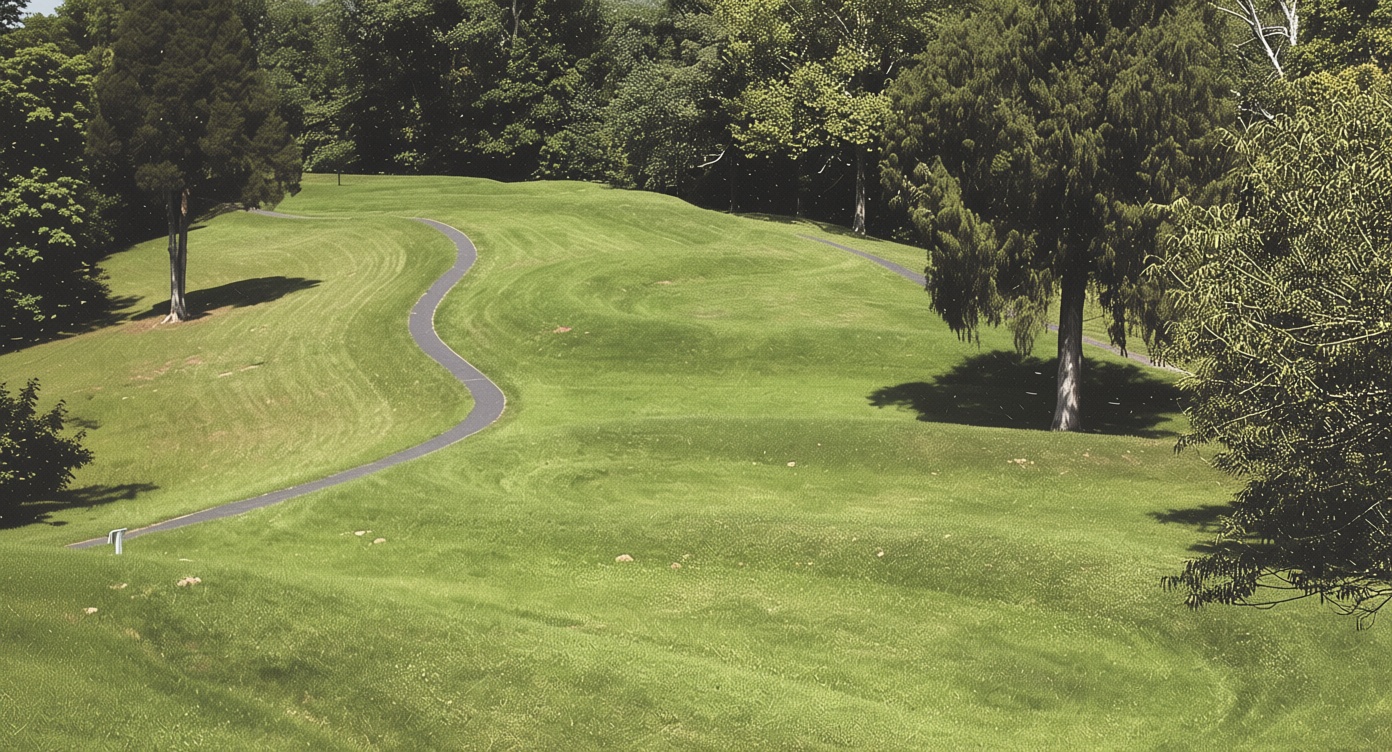
New archaeological reporting is renewing debate over Ohio’s Great Serpent Mound, the 1,300-foot earthwork in Adams County that has long puzzled scholars and visitors alike. The serpent-shaped monument, which rises roughly three feet above the ground and winds across a plateau near a 300-million-year-old meteor crater, has been alternately described as a ceremonial landscape feature, a work of art, and a possible astronomical marker. What makes the latest interest notable is not just the monument itself, but the broader trend it reflects: modern tools and methods are forcing archaeologists to rethink how complex pre-Columbian societies in the Americas may have been.
A monument with few easy answers
The Great Serpent Mound remains difficult to pin down because it contains no obvious burials, artifacts, or pottery that could clearly link it to a specific culture. When Harvard archaeologist Frederic Ward Putnam excavated the site in the late 19th century, he did not find the kinds of materials that typically help date and interpret earthworks. As a result, radiocarbon estimates have varied widely, with proposed construction dates ranging from 300 BC to 1100 AD. That uncertainty has turned the mound into a kind of archaeological test case: one that reveals both the limits of older research and the challenge of interpreting large Indigenous earthworks without imposing outside assumptions.
Cosmic landscape and possible alignments
Part of the mound’s enduring fascination comes from its location. The serpent sits atop the Serpent Mound crater, an eroded meteor impact site that may have influenced where ancient builders chose to create the effigy. Some researchers note that the surrounding terrain includes unusual geological and geomagnetic features, which may have made the area stand out to Indigenous peoples long before modern science identified the crater’s origin. That has encouraged a long-running question: was the mound designed only as a symbolic form, or did it also function as an astronomical calendar? Advocates of the celestial interpretation point to proposed alignments with solar events, including the summer solstice, though those claims remain debated and require careful verification.
Rethinking ancient sophistication across the Americas
The renewed attention to Serpent Mound comes amid a wider shift in archaeology, especially studies using lidar and other remote-sensing tools. In the Amazon, those technologies have exposed extensive earthworks, road networks, and settlement patterns that suggest pre-Columbian societies were far more populous and organized than earlier generations of researchers believed. Instead of sparse, isolated communities, archaeologists are finding evidence of engineered landscapes and dense habitation across regions once dismissed as too ecologically harsh for large-scale social complexity.
Why the debate matters
Taken together, these discoveries are reshaping long-held views of Indigenous history in the Americas. The debate over the Great Serpent Mound is not just about whether one earthwork marked the solstice; it is about how archaeologists interpret landscape, ritual, engineering, and astronomy in cultures that left fewer written records than later civilizations. The newest research does not settle every question surrounding the Ohio mound, but it does underscore a broader point: with improved tools and a more cautious approach to Indigenous achievements, archaeologists are uncovering a past that appears more sophisticated, more connected, and more intentional than many older narratives allowed.