Overview
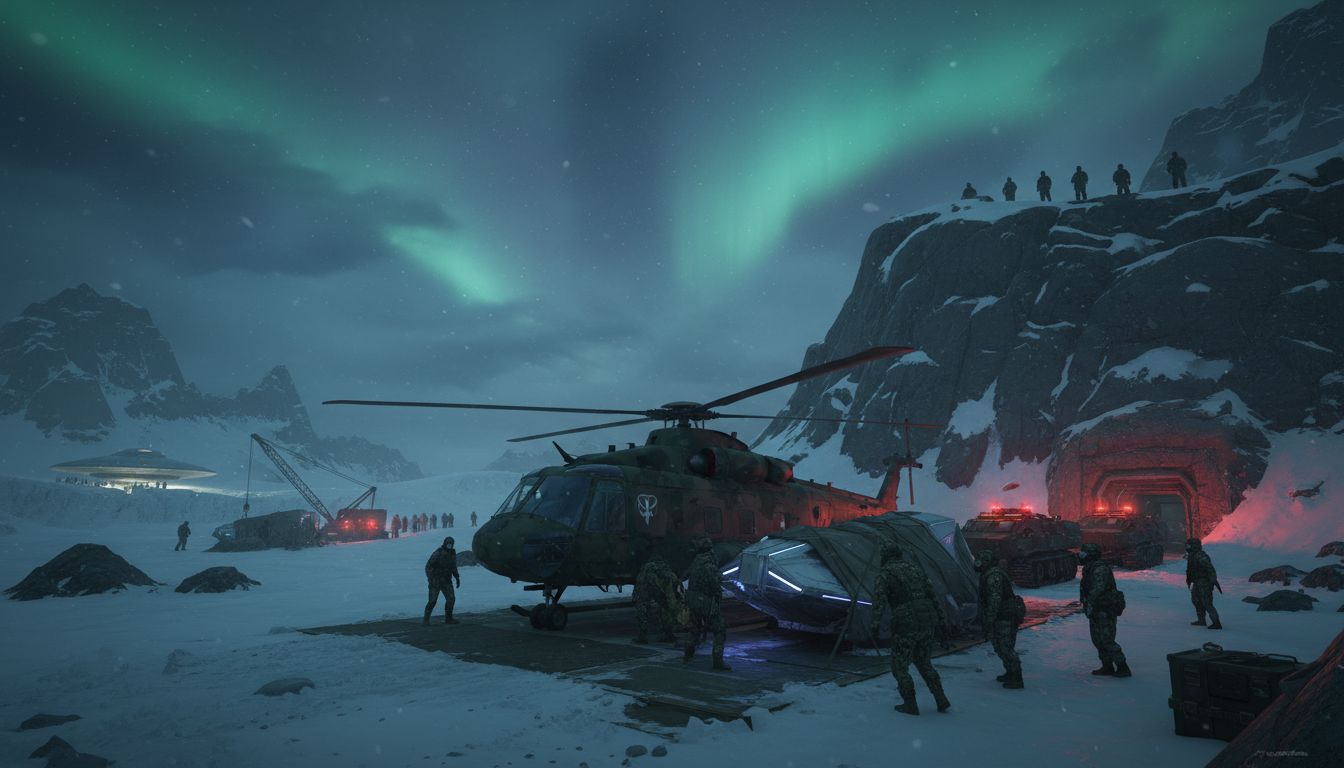
Newly released UAP files highlighted by NewsNation are renewing scrutiny over one of the most sensitive questions in the disclosure debate: whether China and Russia may have retrieved unidentified objects. The report, published June 15, does not appear to establish definitive proof of foreign recovery efforts, but it suggests that material in the files has fueled speculation about possible involvement by overseas governments in collecting UAP-related debris or craft.
The claim lands in an environment already shaped by growing public interest in unidentified anomalous phenomena, shifting government transparency efforts, and persistent concerns about national security. For years, officials, former intelligence personnel, and disclosure advocates have argued that if UAP events represent advanced technology — whether domestic, foreign, or otherwise — then the implications could extend well beyond aviation and into military strategy, intelligence collection, and technological competition.
What the Files Suggest
According to NewsNation’s reporting, the newly surfaced records are being read by some disclosure experts as hinting that Russian and Chinese actors may have been able to recover objects of unknown origin. The wording is important: the report suggests possibility rather than certainty, and there is no indication in the source material that the files independently verify the provenance, purpose, or authenticity of any recovered material.
That ambiguity is central to the broader UAP conversation. In many cases, documents that enter the public domain contain partial accounts, secondhand references, or intelligence assessments that raise more questions than they answer. Even so, the idea that foreign governments could have obtained UAP-related materials has long been a point of concern among analysts who see UAP as a potential counterintelligence and technology-transfer issue, not merely a fringe curiosity.
Why China and Russia Matter in the UAP Debate
The focus on China and Russia reflects longstanding U.S. national security anxieties. Both countries are viewed in Washington as major strategic competitors with sophisticated intelligence services and advanced aerospace programs. If either nation had recovered material of unknown origin — whether from a crash, a military encounter, or some other event — the concern would not simply be what the object was, but what could be learned from it.
That possibility has helped keep UAP discussions tethered to the defense community. Lawmakers and analysts have repeatedly noted that unexplained aerial incidents can overlap with issues such as radar signatures, surveillance, electronic warfare, and foreign adversary testing. Even when a specific incident turns out to have a conventional explanation, the process of investigating it often reveals gaps in sensor coverage, reporting procedures, and interagency coordination.
The Larger Disclosure Context
The NewsNation report arrives amid continued pressure for transparency from UAP researchers and former officials who argue that the public deserves a clearer accounting of what governments know. At the same time, advocates for caution warn that speculative claims can outpace evidence, especially when intelligence files are involved. Without released documents, corroborating testimony, or technical analysis, assertions about foreign retrieval remain unconfirmed.
Still, the report underscores why UAP remains such a durable issue: it sits at the intersection of mystery, military readiness, and geopolitical competition. Whether the files ultimately prove significant or simply reflect rumor and inference, their release adds another layer to the debate over how much governments know, what they may be withholding, and how foreign powers fit into the unresolved picture.