Overview
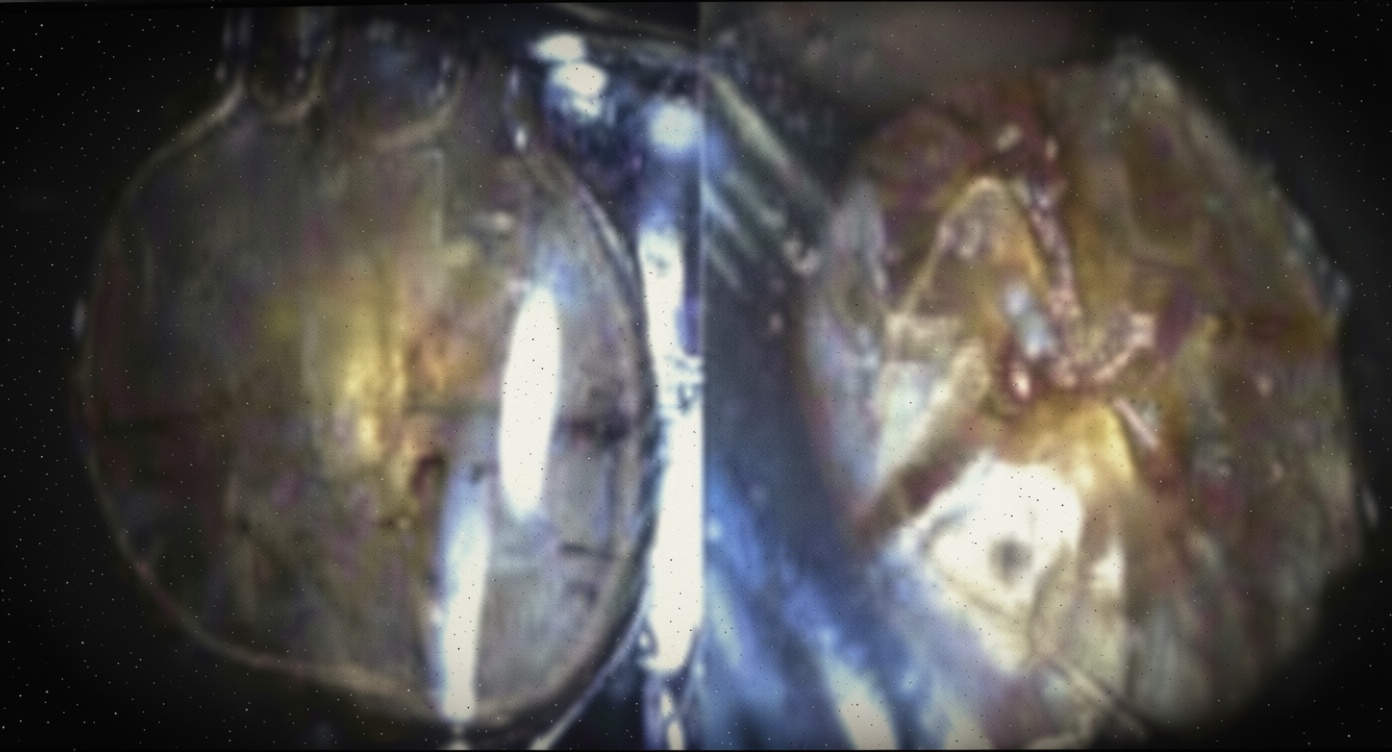
The Pentagon has released a new batch of UFO, or unidentified anomalous phenomena (UAP), records that includes a 2009 contractor report describing plans for a high-security underground vault intended to hold “exotic material or tissue” and recovered hardware. The document does not identify the material, explain its origin or confirm that any such material was ever recovered, stored or examined at the proposed facility.
The report was among 43 documents included in the Pentagon’s eighth public release of UAP-related records. Most of the files are historical materials from the Air Force and CIA dating to the 1950s, while others concern more recent military encounters and investigations.
Proposed Nevada Facility
The 538-page report, dated July 2009, was produced by Bigelow Aerospace Advanced Space Studies, or BAASS, as part of a Defense Intelligence Agency program examining potential future aerospace threats. The initiative was funded by Congress after pressure from then-Senator Harry Reid, who supported expanded government research into unusual aerial phenomena.
According to the report, BAASS identified a need for “a highly secure underground vault” to store “hardware and biological samples from the corporate world and/or from private individuals and groups located elsewhere, including Brazil.” The proposed site was the company’s facility in North Las Vegas, Nevada.
The document said the facility would be buried beneath 15 to 20 feet of dirt and include a roughly 5,000-square-foot vault with walls three feet thick and a heavy steel door. Any structures visible above ground were to be “extensively camouflaged,” the report said. It also stated that the BAASS administrator recognized the company did not have a sufficiently secure location for “exotic material or tissue” it might obtain.
The newly released record provides no additional explanation of what the phrase meant. It also does not establish that the material was nonhuman, extraterrestrial or otherwise connected to a confirmed UAP event.
No Evidence the Vault Was Built
There is no public record confirming that the proposed vault was constructed. Later BAASS reports released by the Pentagon do not appear to mention the facility. Several months after the report was completed, a Defense Intelligence Agency official assessed the company’s work as having “limited value,” according to another document included in the release.
The Pentagon’s research effort ended in 2012. Bigelow Aerospace, BAASS’s parent company, later laid off its entire workforce in 2020. A copy of the 2009 report appeared online last year, but Friday’s disclosure marks the first time the Pentagon has formally published it.
The release therefore sheds light primarily on what the contractor planned to do, rather than demonstrating that unusual materials were obtained. The distinction is significant because U.S. officials have repeatedly said that reports of unexplained objects do not, by themselves, prove extraterrestrial technology or biological evidence.
Additional UAP Records
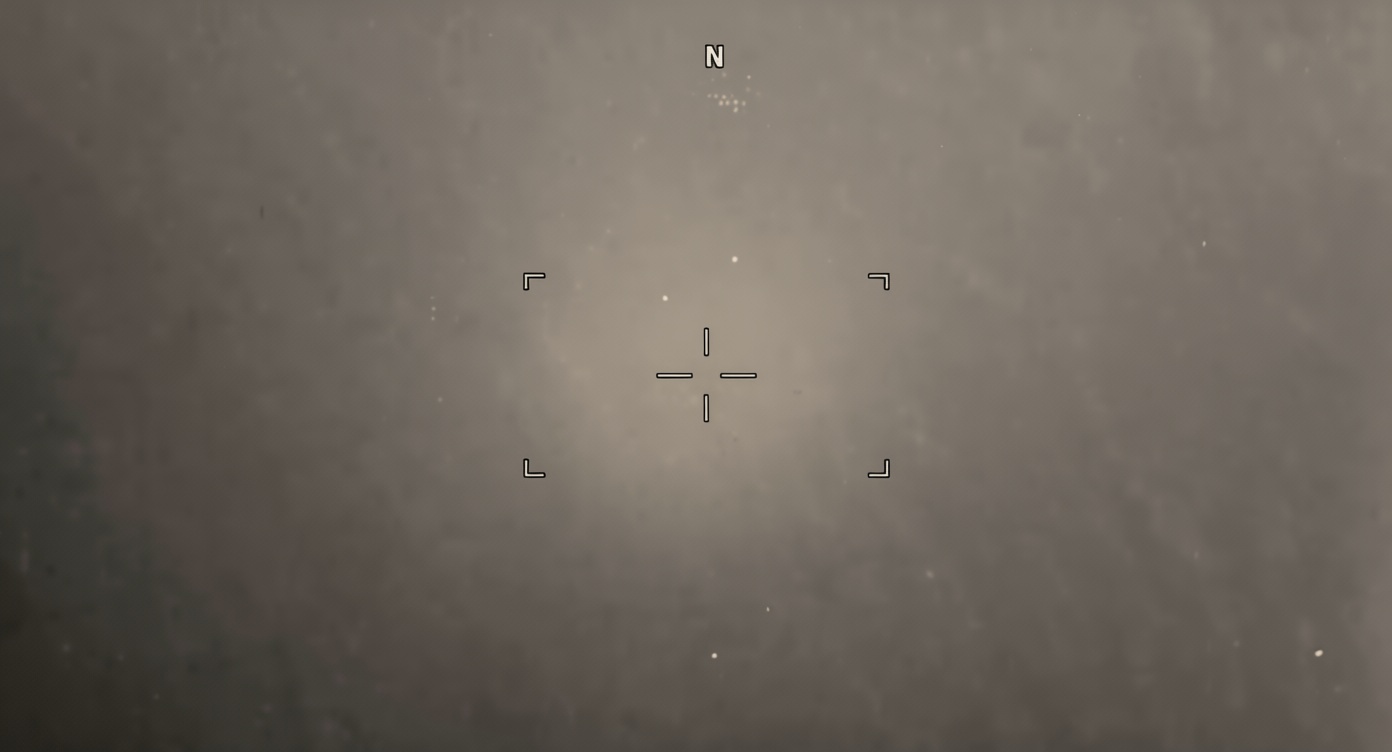
The latest files also include records and videos involving more recent UAP encounters. Three military clips submitted to the Pentagon’s All-domain Anomaly Resolution Office show white objects moving across the frame. The publicly described material does not establish what the objects were, and the release provides no indication that the videos resolve the sightings as advanced or extraterrestrial craft.
Taken together, the documents provide a broader view of the government’s historical efforts to collect and assess unusual aerospace reports. They also highlight the limits of the available evidence: the proposed vault is documented, but the alleged “exotic material” remains unidentified, and its existence has not been independently confirmed.