Overview
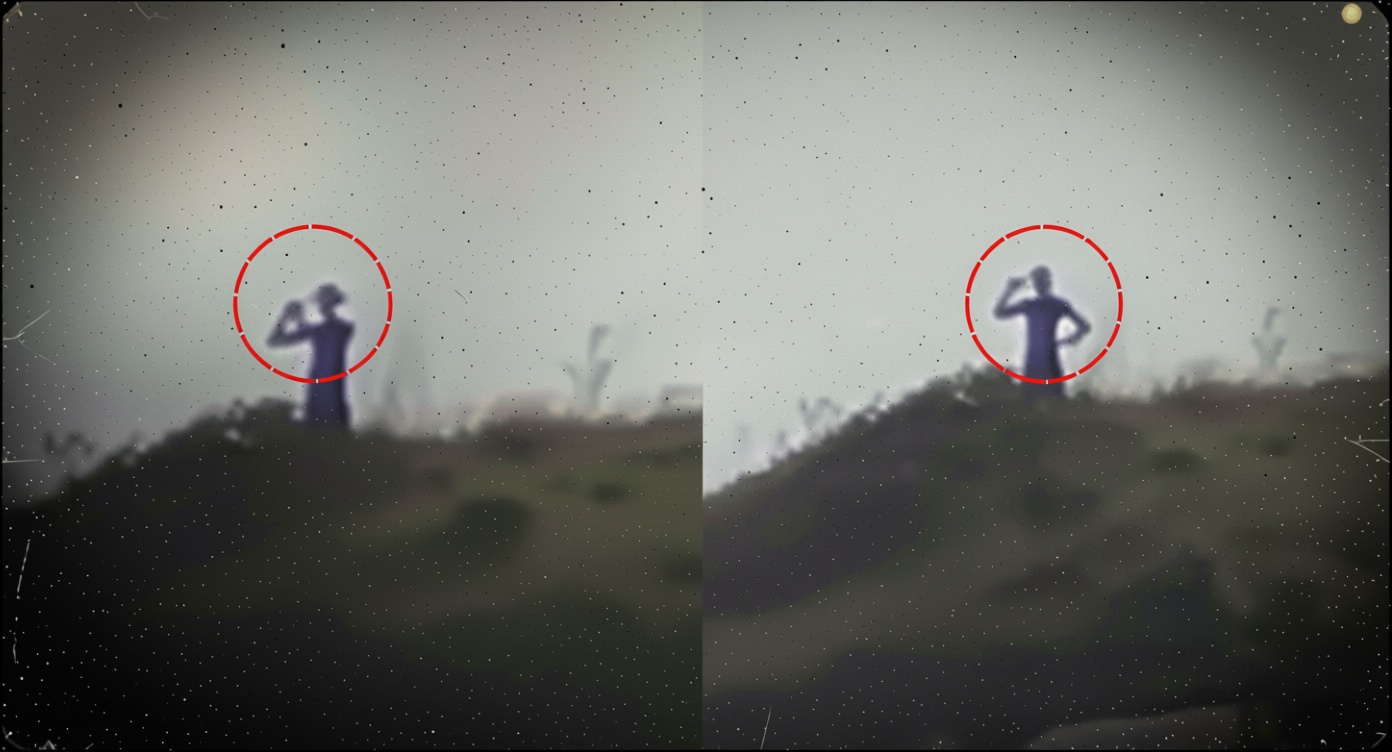
A newly surfaced UFO video reportedly from Brazil is drawing attention across UFO community channels after being shared as a potential piece of fresh sighting evidence. The footage, highlighted by VibeWire Magazine, is being discussed not for a confirmed conclusion, but because it arrives with an unusual mix of apparent technical detail and significant unanswered questions. The clip was presented alongside claims that it may date back to 2009, though no publicly available provenance has yet been established to verify that timeline.
According to the source material, the video was examined frame by frame, with emphasis placed on the object’s apparent shape, the recording device, and the playback characteristics shown in an accompanying short clip. The analysis also focused on the anonymous YouTube channel that uploaded the footage, a point that matters in UFO reporting because the credibility of a sighting often depends as much on chain of custody and metadata as on the visual content itself.
What the Analysis Claims
The VibeWire piece says the footage was processed using standard enhancement methods, including contrast adjustments, colour inversion, and a limited upscale intended to clarify the clearest available frame. Importantly, the analysis stresses that upscaling should be treated as a visual aid rather than as proof of hidden detail. That distinction is critical: enhanced imagery can make a clip easier to inspect, but it does not recover information that was never captured by the original camera.
The article also raises questions about the camcorder shown in the companion material, noting possible discrepancies between the claimed camera model and the hardware visible on screen. That kind of inconsistency does not automatically discredit the video, but it does add to the uncertainty surrounding its origin. The playback screen reportedly offered additional clues about how the footage may have been recorded, though the lack of metadata means those clues remain circumstantial rather than conclusive.
Why It Has Drawn Interest
Despite the absence of verification, the footage has attracted attention because some features appear, at least on initial inspection, to behave in a way that seems technically plausible. The analysis points to the object’s apparent geometry, the camera’s autofocus response, zoom behavior, and optical artifacts as elements that can sometimes help distinguish a genuine aerial event from a digital fabrication. In UFO research, these details often matter because hoaxes can look convincing until they are tested against the quirks of real-world recording equipment.
At the same time, the piece stops short of claiming authenticity. Instead, it frames the video as a case where certain characteristics feel “surprisingly authentic,” while also acknowledging that the evidence remains incomplete. That balanced framing reflects a wider challenge in the field: videos can circulate widely before any independent verification is possible, especially when the original source is anonymous and the footage has already been compressed, reposted, or processed.
The Larger Context
The Brazil clip arrives during a period of sustained public interest in UAP evidence, with online communities increasingly focused on technical analysis rather than dramatic claims alone. That shift has made viewers more attentive to details like compression artifacts, lens behavior, and device metadata. It has also raised the bar for what counts as persuasive evidence. A video may generate discussion, but without a verifiable source, its value remains limited.
For now, the Brazil footage should be treated as unconfirmed material under analysis, not as validated evidence of anomalous craft. Whether it turns out to be a hoax, a misidentification, or something more unusual, the clip illustrates the current state of UFO reporting: rapid online circulation, careful frame-by-frame scrutiny, and a persistent gap between intrigue and proof.