Overview
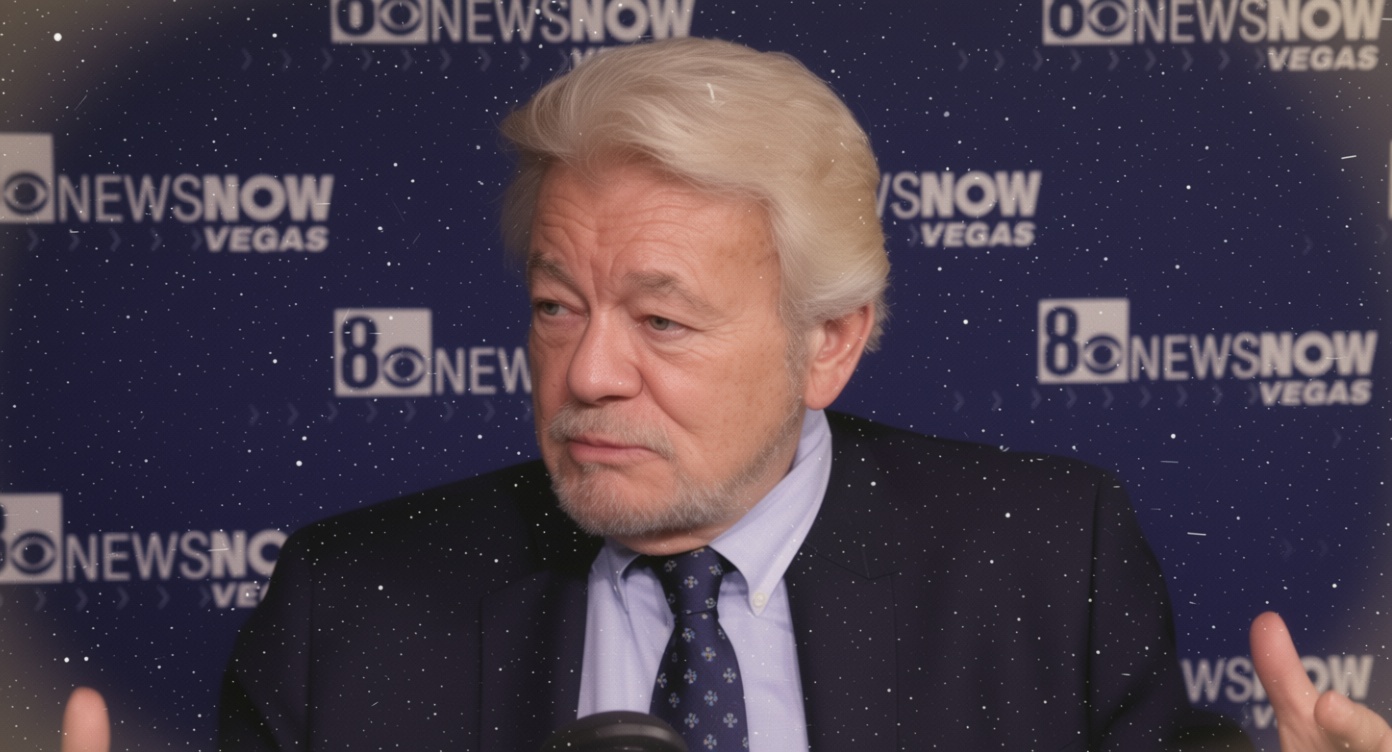
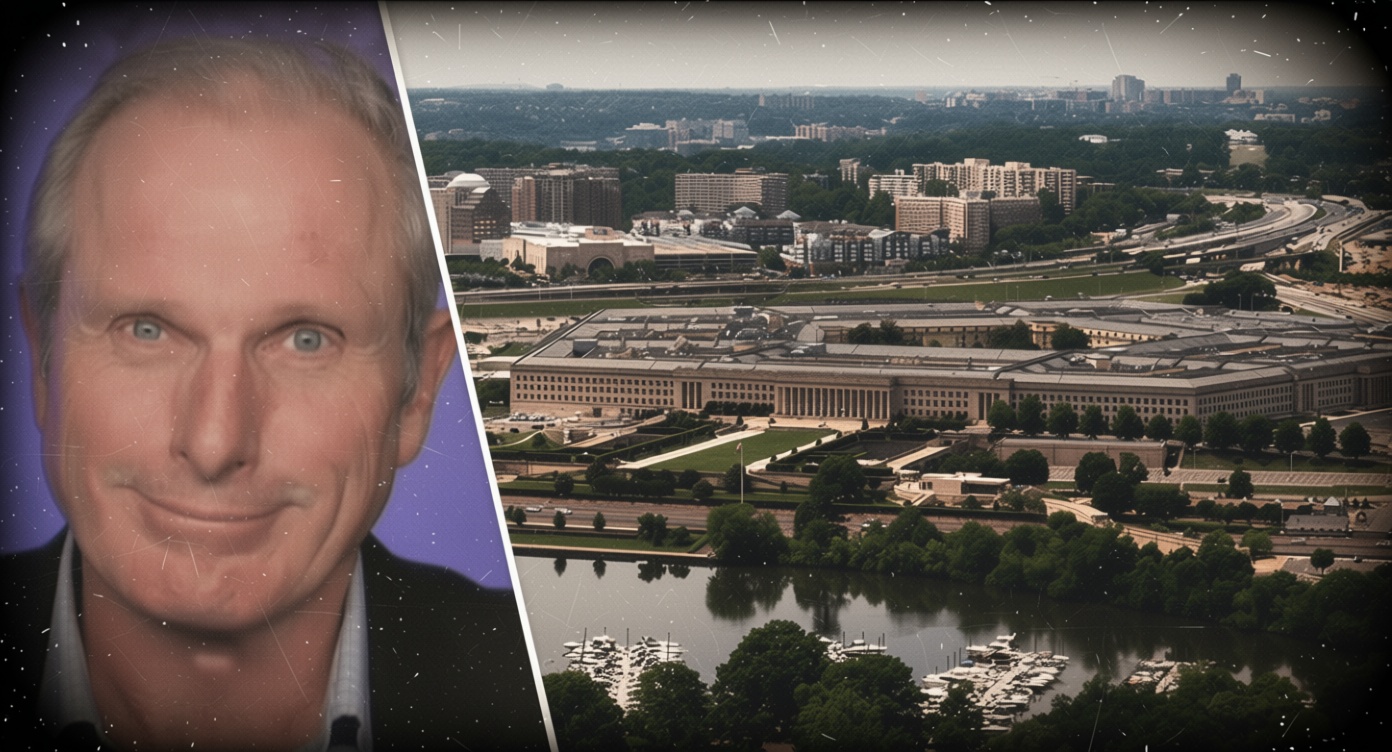
NewsNation is drawing attention to one of the most persistent questions in the modern UAP debate: whether the Trump administration is operating a covert UFO program. The outlet’s Reality Check podcast framed the issue as an open question, underscoring how speculation about hidden government efforts continues to circulate even in the absence of publicly verified evidence. The discussion reflects a broader media and public fascination with unidentified aerial phenomena, especially when claims of secrecy and compartmentalized programs enter the conversation.
What the report is raising
The NewsNation item does not, based on the available material, present confirmed evidence of a clandestine UFO initiative. Instead, it highlights the ongoing controversy surrounding alleged secret investigations into UAPs and asks whether the current administration could be involved in one behind the scenes. That framing matters: it captures a recurring feature of the UAP conversation, where questions about what government agencies know are often matched by frustration over what they are willing to disclose.
In recent years, the subject has shifted from fringe speculation into mainstream policy debate, driven by congressional hearings, whistleblower claims, military encounter reports, and public pressure for greater transparency. Even so, much of the conversation still rests on ambiguity. Reports of unidentified objects, sensor anomalies, and classified briefings have fueled public interest, but they have also left a wide gap between verified facts and speculation about hidden programs.
Why the question persists
The notion of a covert UFO program resonates because it reflects a longstanding pattern in U.S. national security culture: the possibility that some aerospace-related projects remain classified for reasons of defense, intelligence, or technical advantage. That reality can make it difficult for observers to distinguish between a legitimate classified program and rumors of extraterrestrial or anomalous technology research. As a result, questions about UFO secrecy tend to spread quickly, particularly when political leadership changes and public trust in government is already strained.
The Trump administration has not publicly confirmed any covert UFO effort in the material provided, and NewsNation’s question appears to be part of a broader effort to examine whether rumors are being driven by facts, perception, or political climate. Still, the fact that such a question is being asked at all indicates how deeply embedded the topic has become in contemporary political and media discourse. For many viewers, the issue is no longer simply whether unidentified objects exist, but whether the government is withholding meaningful information about them.
Public interest and the transparency debate
What makes the topic especially durable is the combination of public curiosity, official secrecy, and unresolved testimony. Advocates for disclosure argue that the American public deserves clearer answers about what is being observed, what is being studied, and which agencies may be involved. Skeptics, meanwhile, caution that extraordinary claims require extraordinary evidence, and that many supposed UFO revelations remain unsubstantiated or misinterpreted.
For now, NewsNation’s framing contributes to a familiar cycle in the UAP arena: a provocative question, broad speculation, and limited public confirmation. Whether the issue ultimately leads to new disclosures or simply adds to the ongoing debate, it reflects a reality that has become hard to ignore — the public remains intensely interested in what the government knows, and what it may still be keeping secret.