Overview
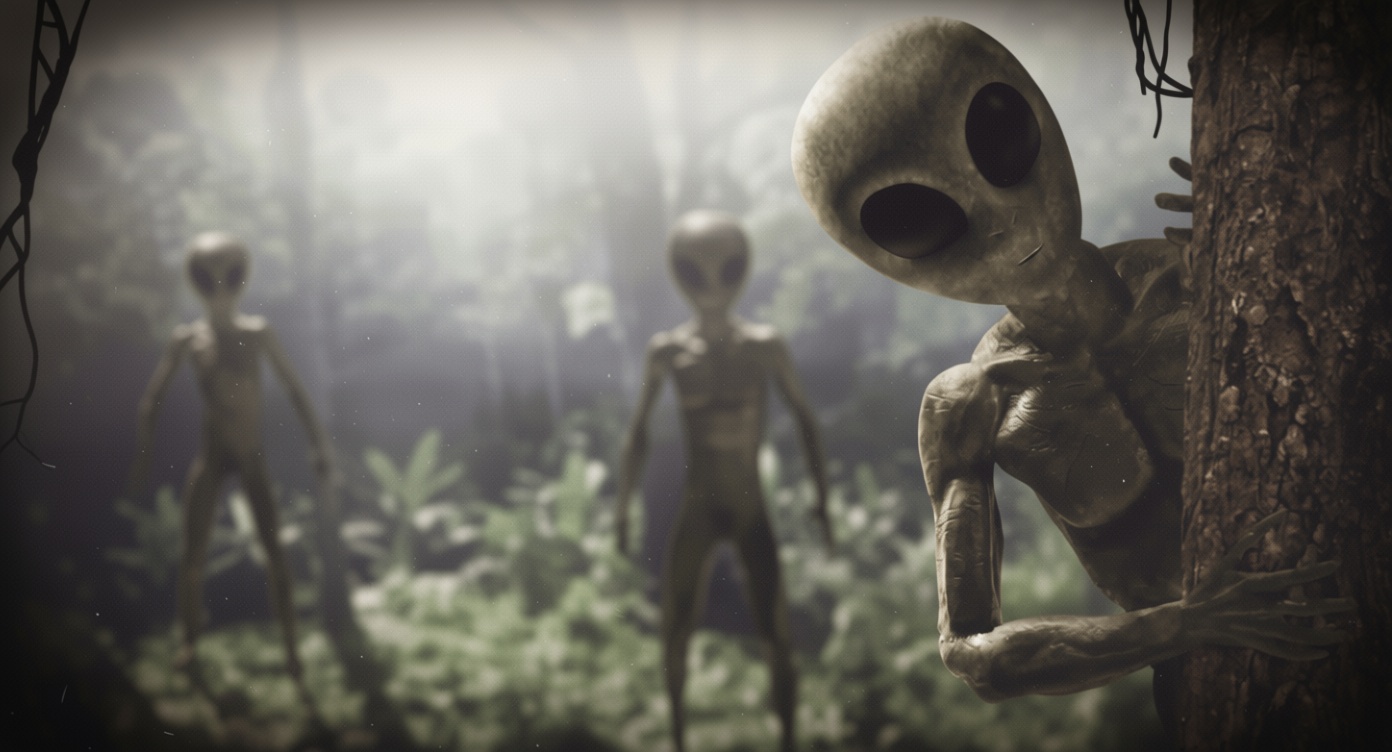
NewsNation is using the language of modern UFO and UAP debates to revisit one of astronomy’s oldest and most persistent questions: if intelligent life exists elsewhere, why has Earth not received any clearly verified contact? Framed with the provocative idea that our planet may be “ghosted by the rest of the universe,” the discussion begins with the growing public interest in unexplained aerial sightings but quickly expands into a broader examination of humanity’s search for evidence of extraterrestrial intelligence.
The premise taps into a familiar tension in UAP coverage. On one hand, there is a steady stream of reports, eyewitness accounts, military testimony, and ambiguous sensor data that keeps the issue in the headlines. On the other, there is still no publicly confirmed evidence of alien visitation, despite decades of speculation. That gap between curiosity and proof is what gives the topic its enduring appeal — and its scientific frustration.
The UFO Question and the Fermi Paradox
At the center of the conversation is a variation of the Fermi paradox, the long-standing puzzle of why a universe that appears capable of producing countless stars, planets, and potentially habitable worlds has not produced unmistakable signs of intelligent life. If the cosmos is as vast and old as scientists believe, many observers argue, then it seems reasonable to expect some detectable signal, artifact, or contact. Yet Earth remains silent in any definitive sense.
That silence has fueled a wide range of explanations. Some scientists suggest technologically advanced civilizations may be extremely rare. Others argue that intelligent species may exist but remain too distant, too short-lived, or too disinterested in communication to be noticed. There is also the possibility that humanity’s current methods for detecting extraterrestrial life are simply too limited to catch the kinds of signals alien civilizations might actually use.
Why UAPs Keep the Debate Alive
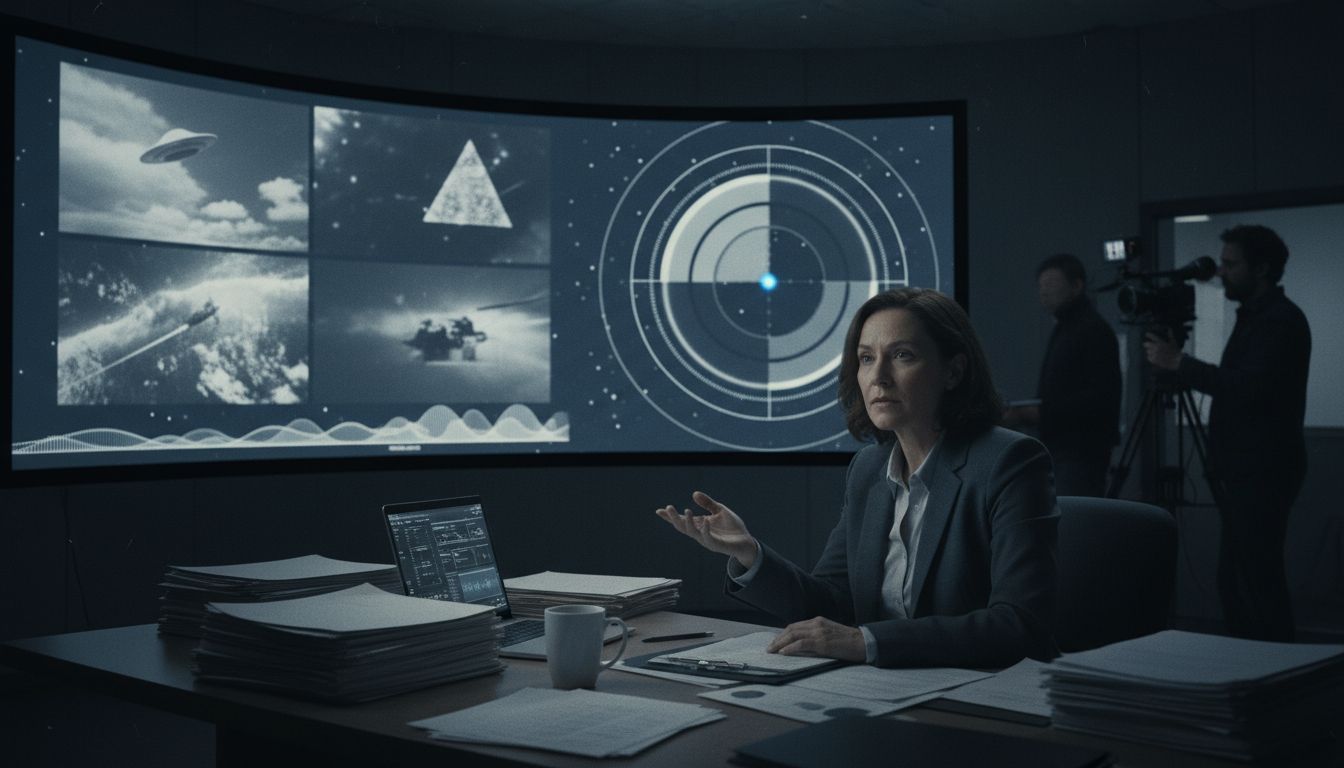
UAP sightings continue to complicate the discussion because they sit at the boundary between anomaly and interpretation. Most unexplained sightings do not amount to proof of extraterrestrial activity, but they do keep public attention focused on what remains unknown. The result is a cultural and scientific conversation that blends aerospace monitoring, national security concerns, and basic human wonder about whether we are alone.
NewsNation’s framing reflects that broader reality. Rather than treating UFOs as evidence of alien contact, the segment uses them as an entry point into the bigger question of why, after years of looking up and listening out, humanity still lacks a clear answer. That uncertainty is part of what makes the issue so compelling: every unexplained report invites a new round of interpretation, but none has yet produced a consensus breakthrough.
The Larger Scientific Context
For researchers, the challenge is not simply whether extraterrestrial life exists, but how evidence would be recognized if it did. A distant radio transmission, an atmospheric anomaly, or an object moving in an unfamiliar way can all spark speculation, yet each requires careful verification. Without repeatable data, the leap from unexplained phenomenon to alien contact remains speculative.
That is why the search for extraterrestrial intelligence continues to rely on a mix of astronomy, signal detection, and increasingly sophisticated observation tools. Even as public interest in UFOs and UAPs rises, the scientific standard for proof remains high. In that sense, the question of whether Earth is being “ghosted” by the universe is less about expecting a dramatic reveal than about confronting a deeper uncertainty: the universe may be full of possibilities, but the evidence for contact remains elusive.