Overview
Nuclear Regulatory Commission records show 67 reports of unexplained drone activity at or near 28 U.S. nuclear sites in 17 states between February 2024 and March 2026. The incidents include one report of approximately five drones flying about 100 feet above the reactor building at River Bend Station in Louisiana.
The records were made public after a Freedom of Information Act request from The Liberation Times. The NRC posted a table of security incident reports in its public document database, identifying events reported by plant security personnel, other facility employees and, in several cases, local law-enforcement agencies.
The reports cover a period in which the United States has been seeking to expand nuclear-generating capacity. Technology companies and energy providers have explored restarting retired reactors, while the Trump administration has pursued regulatory changes intended to accelerate nuclear plant licensing and development.
River Bend Incident
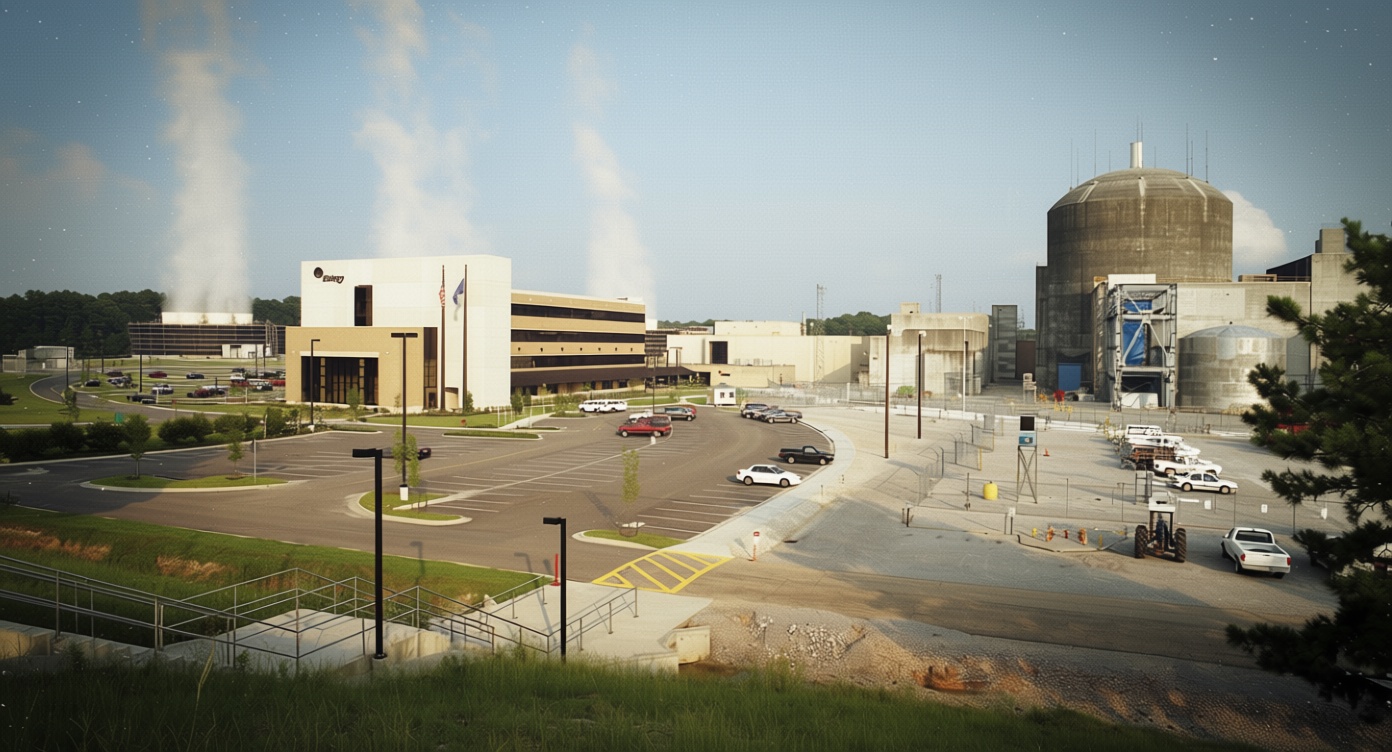
The closest approach described in the records occurred at River Bend Station on Jan. 6, 2025. According to the NRC report, security personnel observed approximately five drones flying over the reactor building at about 100 feet before losing sight of them to the south.
The drones were described as rectangular and black, with no visible lights. The report states that the activity lasted from approximately 5:46 p.m. to 5:50 p.m. Central time. After the sighting, River Bend heightened its security posture and notified the West Feliciana Parish Sheriff’s Office, the Federal Aviation Administration and the FBI.
River Bend is a single-reactor facility operated by Entergy, with generating capacity of roughly 970 megawatts. The records do not identify the operators of the drones or establish their purpose. They also do not indicate that the aircraft caused damage or interfered with plant operations.
Reporting and Response Gaps
Under suspicious-activity reporting requirements issued by the NRC in 2023, nuclear operators are expected to report activity considered suspicious—including drone flights—to local law enforcement, the FBI, the NRC and the FAA within four hours. However, the released records show that communication was not consistent in every case. Some entries state that a site was unable to reach the FAA or did not contact the FBI.
Each incident is marked “Closed Unresolved,” while nearly all entries reportedly state that the matter remains open pending internal NRC review. That status means the records do not provide a confirmed explanation for who operated the drones, why they approached the facilities or whether the activity represented a coordinated campaign.
Latest Recorded Activity
The most recent incident in the collection occurred at Byron Nuclear Station in Illinois on March 24, 2026. Staff initially observed one drone traveling from northwest to southeast over the plant’s protected area. The FBI’s Rockford office, Rockford air-traffic control and the Ogle County Sheriff’s Department were contacted.
At approximately 12:08 a.m., security officers and local law enforcement identified two separate drones over the owner-controlled and protected areas. The report says the activity continued until about 1:30 a.m.
Security Context
The reports highlight the challenge nuclear facilities face in responding to small unmanned aircraft. While operators can report sightings and coordinate with law enforcement and federal agencies, the source material indicates that sites have limits on their ability to take active counter-drone measures. The reported aircraft also appear to be distinct from more capable military-grade unmanned systems, and the records do not document an attack or confirmed security breach.
The incidents include facilities such as the Three Mile Island site in Pennsylvania, where Constellation Energy plans to restart Unit 1 as the Crane Clean Energy Center. As the United States considers expanding nuclear power, the unresolved drone reports underscore the need for clearer communication procedures, reliable identification of aerial threats and well-defined authority for responding to unauthorized flights near critical infrastructure.