Renewed Legitimacy for a Long-Standing Mystery
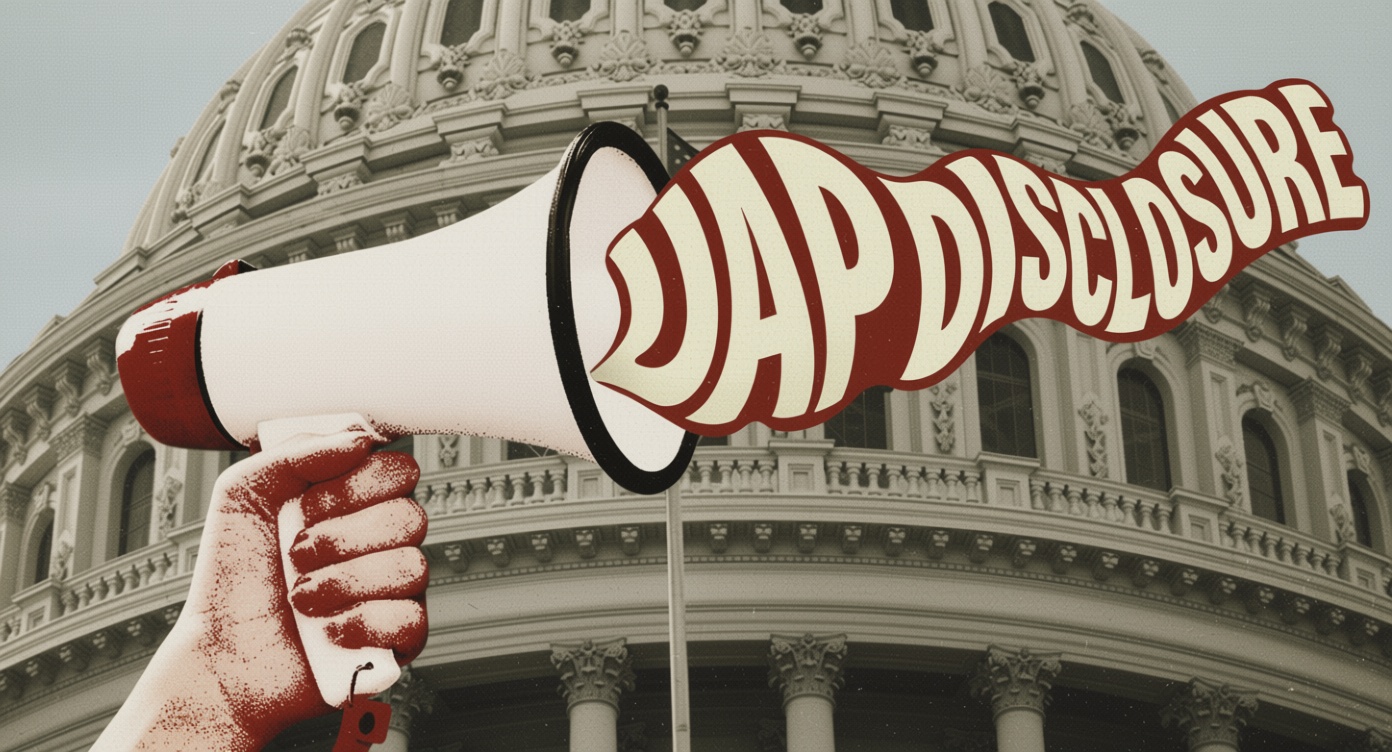
Official acknowledgments that unidentified anomalous phenomena (UAPs) are real and worthy of study have shifted the UFO conversation from the fringes into mainstream discussion. Once treated largely as a cultural curiosity or a matter of speculation, the subject now carries a degree of institutional credibility that has drawn renewed attention from the public, lawmakers, and scientists. While the term UFO still dominates popular imagination, the newer UAP label reflects a more measured approach: not a conclusion about extraterrestrial origins, but a recognition that some sightings remain unexplained after review.
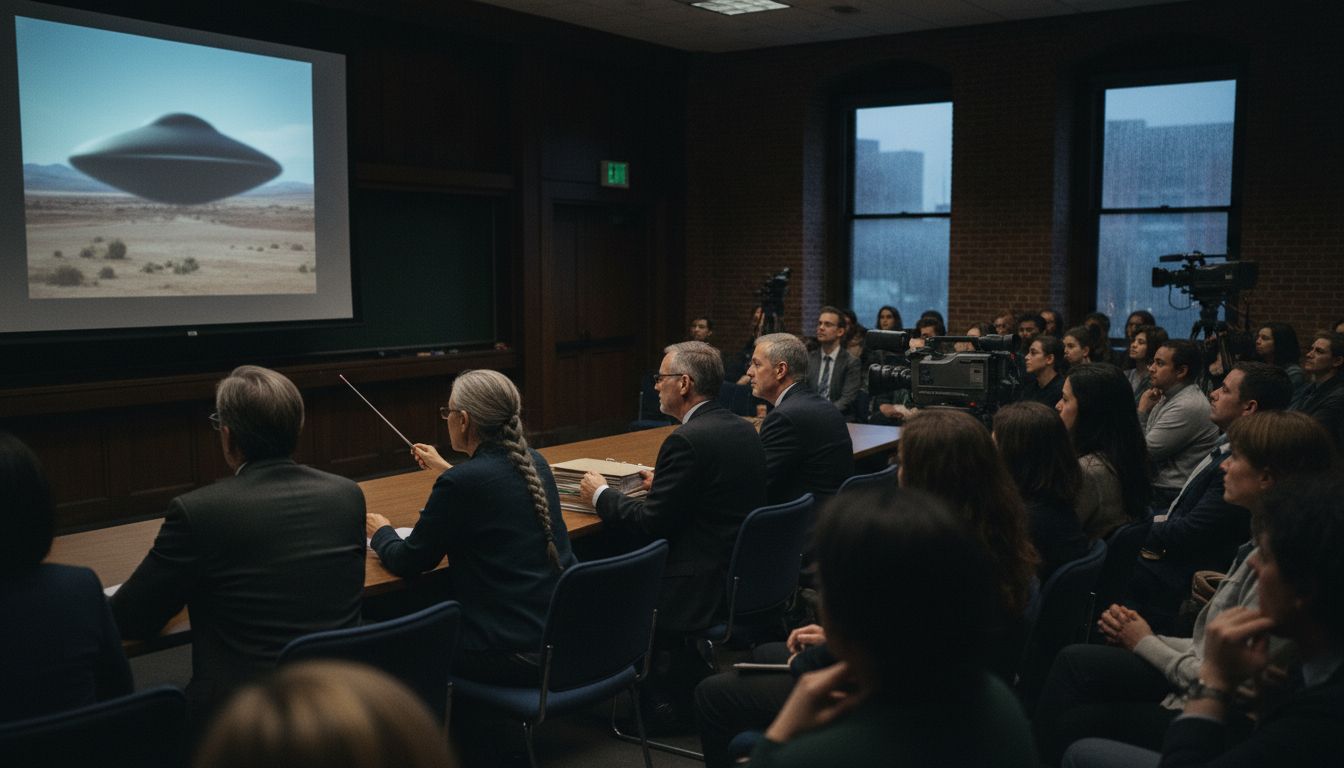
That distinction matters. Government disclosures in recent years, along with hearings, reports, and agency-led investigations, have made it harder to dismiss the topic outright. Instead of asking whether all sightings are true or false, officials and researchers are now asking what was observed, how it was recorded, and whether the available data can support a firm identification. The result is a more structured debate that has helped strip away some of the stigma surrounding reporting and analysis.
What the Science Says — and Doesn’t Say
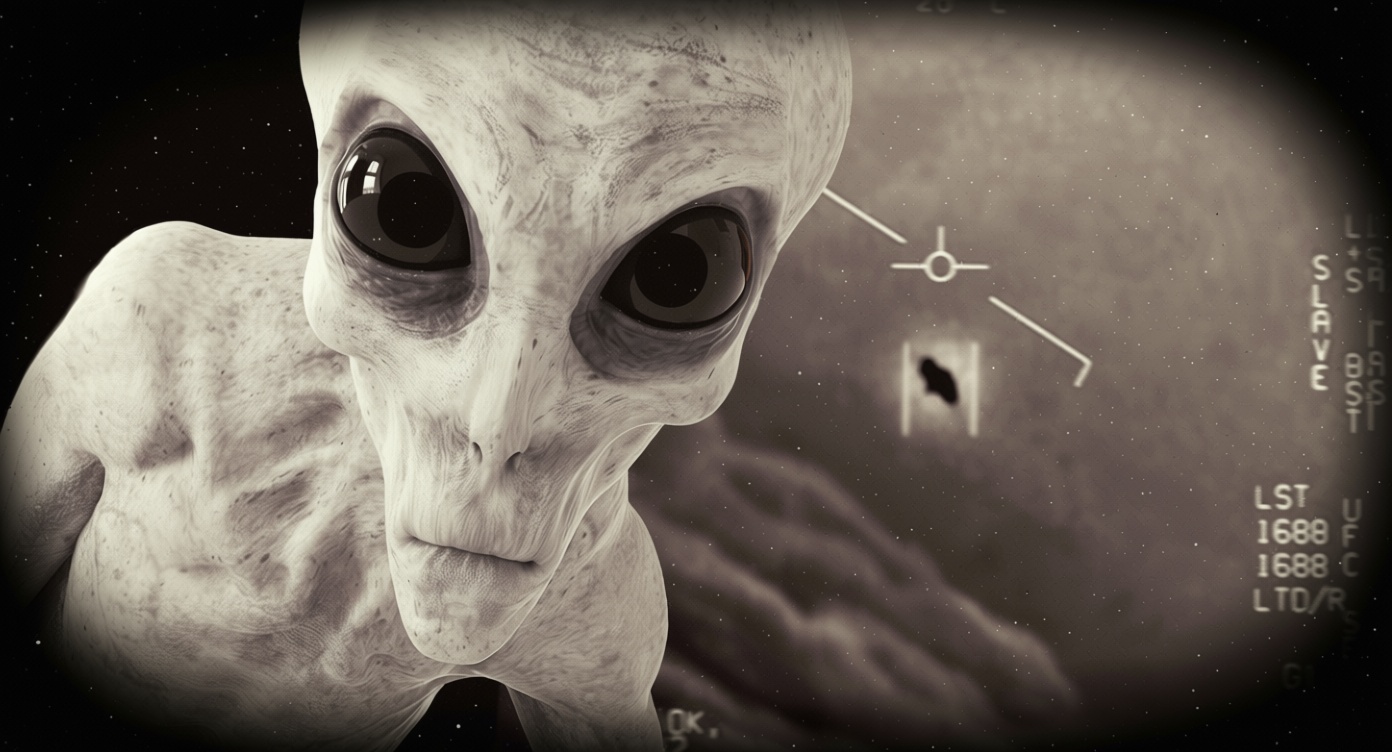
Despite the increased attention, there is still no definitive evidence of extraterrestrial visitation. Most serious researchers emphasize that unexplained does not mean alien. In many cases, UAP reports can be traced to ordinary causes such as misidentified aircraft, balloons, weather phenomena, sensor artifacts, optical distortions, or limitations in human perception. The same caution that applies in the study of other anomalies—where suggestion, expectation, and incomplete evidence can shape interpretation—also applies here.
Still, not every case has a clear answer. Some incidents involve high-speed objects, unusual flight characteristics, or multiple sensor readings that resist easy explanation. That uncertainty is precisely why the issue continues to attract interest. For scientists, the challenge is less about proving a dramatic theory than about improving the quality of observation, data collection, and analysis. The more rigorous the methodology, the better the chances of distinguishing unusual natural or man-made events from genuine unknowns.
Why Interest Keeps Growing
Public fascination persists because the UAP mystery sits at the intersection of science, defense, and human curiosity. For decades, the topic was associated with rumor, anecdote, and sensational claims. Now, official acknowledgment has made it possible to discuss the phenomenon in a more credible framework. That has encouraged some researchers to treat the question as a legitimate field of inquiry rather than a cultural taboo.
At the same time, the renewed interest has not produced the answer many hoped for. The central question remains unresolved: what are these events, and why do some remain unidentified after review? For many observers, that uncertainty is part of the appeal. It leaves open the possibility of new discoveries while also demanding restraint, evidence, and skepticism.
An Open Question, Not a Conclusion
The current UAP debate reflects a broader shift in how unexplained phenomena are approached. Instead of defaulting to belief or disbelief, institutions are increasingly emphasizing careful documentation and empirical scrutiny. That does not mean the mystery has been solved; it means it is finally being examined in a more serious way.
For now, the UFO question endures because the evidence remains incomplete. Official acknowledgments have not confirmed alien contact, but they have made the subject harder to ignore. In that sense, the mystery is no longer just about what may be in the sky—it is also about how governments, scientists, and the public choose to confront the unknown.