Overview
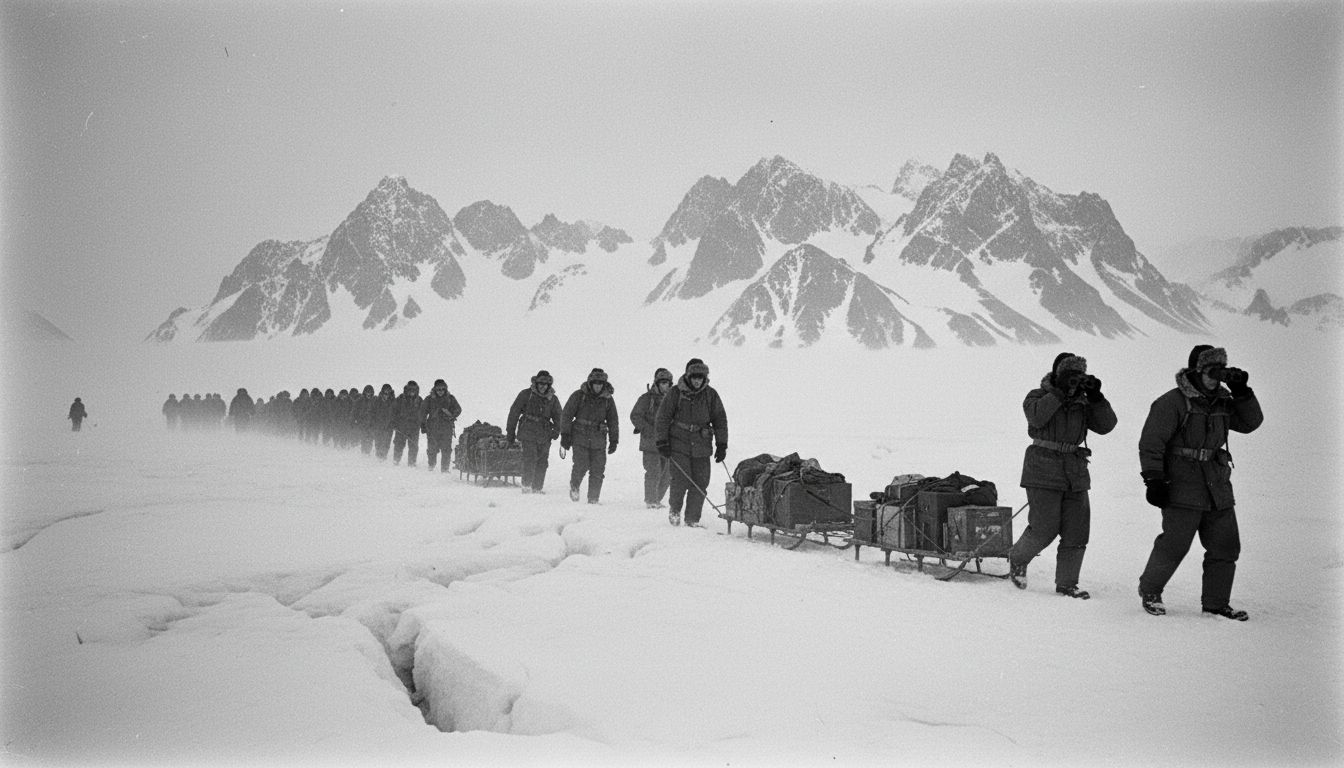
Operation Highjump was a large-scale U.S. Navy expedition to Antarctica conducted from December 1946 to early 1947. Officially known as the United States Navy Antarctic Developments Program, the operation involved polar exploration, mapping, scientific research, equipment testing, and military training in one of the world’s most hostile environments. The expedition was commanded by Rear Admiral Richard H. Cruzen, with Rear Admiral Richard E. Byrd serving in a senior advisory and operational role.
A recent video, The White Rabbit 4090: Operation Highjump and the Antarctic Conspiracy, examines a series of claims that portray the mission as something far more secretive: an attempt to destroy a surviving Nazi installation beneath the Antarctic ice. The video connects those allegations to theories involving hidden civilizations, extraterrestrial technology, and an entrance to a subterranean world. However, the available historical record does not substantiate those claims.
The Nazi Antarctica Narrative
The conspiracy theory rests partly on Germany’s 1938–39 Antarctic expedition, which surveyed a region later referred to by German authorities as Neuschwabenland, or New Swabia. The expedition photographed and mapped portions of the territory, but there is no reliable evidence that it established a permanent military base or underground complex there.
The video also links Nazi interest in Antarctica to the Thule and Vril societies, occult traditions, and legends of Atlantis. These associations are frequently cited in popular literature about Nazi secret weapons, but historians have found no credible documentation showing that such groups developed advanced aircraft, contacted inner-Earth civilizations, or operated a facility identified as “Base 211.” Claims that Adolf Hitler and Eva Braun escaped to Antarctica after World War II are likewise unsupported; established historical evidence records their deaths in Berlin in 1945.
Alleged Encounters and Byrd’s Warning
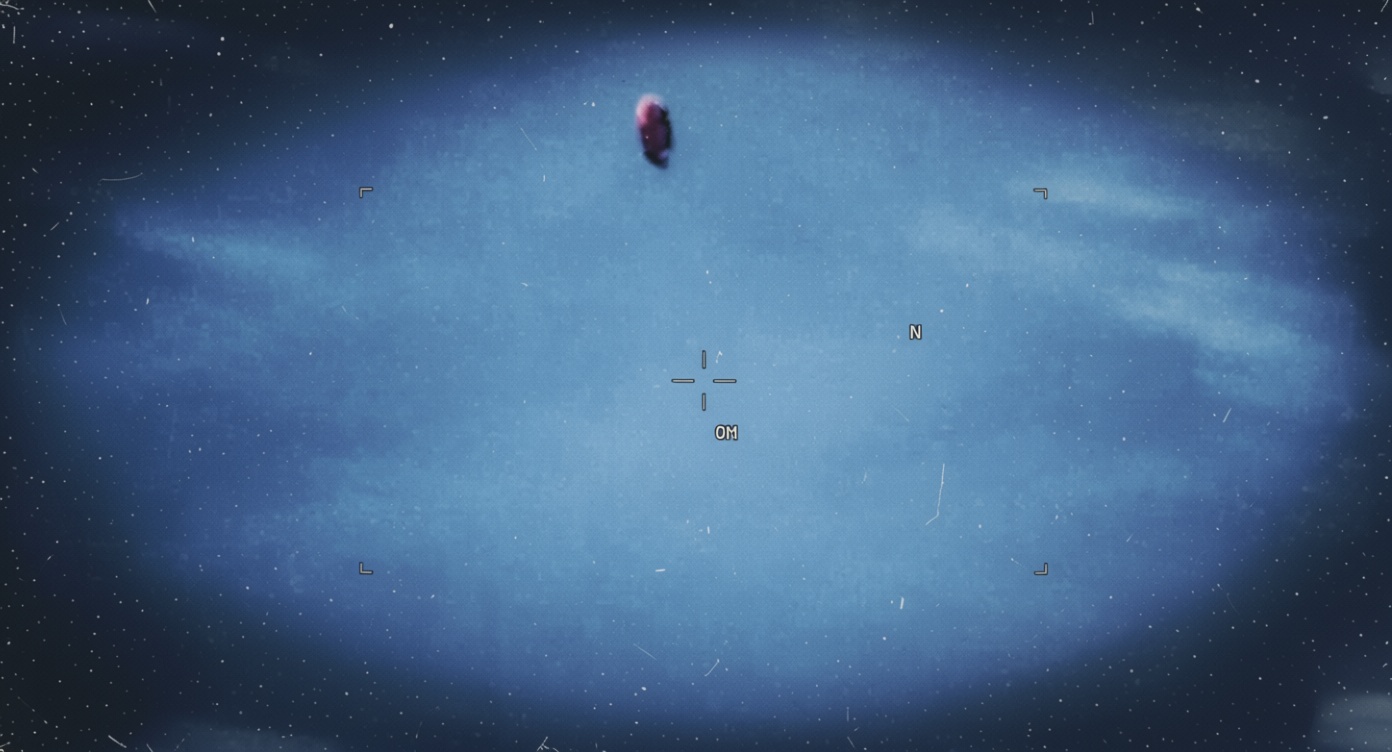
A central element of the story is the assertion that unidentified aircraft attacked the American task force, forcing the expedition to withdraw. The video describes saucer-shaped craft, “unknown rays,” and technology allegedly far beyond the capabilities of the U.S. Navy. No verified operational reports, photographs, or other contemporary records confirm such an engagement.
The narrative also cites a March 1947 interview with Byrd published in the Chilean newspaper El Mercurio. Some accounts interpret a reported warning about aircraft capable of flying “from pole to pole” as evidence that Byrd had encountered a hidden enemy. The quotation’s context and translation have been debated, and it does not establish the existence of Nazi, extraterrestrial, or subterranean forces. Similarly, the so-called “missing diary” attributed to Byrd, which describes a journey into the Hollow Earth, was published after his death and is widely regarded as unauthenticated.
Historical Context and Assessment
Operation Highjump was substantial, involving ships, aircraft, personnel, and scientific teams, but its early conclusion is not unusual given Antarctica’s severe weather, mechanical difficulties, logistical limits, and seasonal constraints. The mission generated valuable aerial photography and geographic data while helping the Navy develop polar operating procedures during the early Cold War period.
The video’s presentation reflects a longstanding genre of Antarctic conspiracy theories that combines genuine historical events with speculative interpretations. There is no reliable evidence that Operation Highjump was a battle against a Nazi base, inner-Earth inhabitants, or extraterrestrial craft. The documented expedition remains best understood as an exploration, research, and military training operation, while the more dramatic claims continue to circulate without corroboration.