Overview
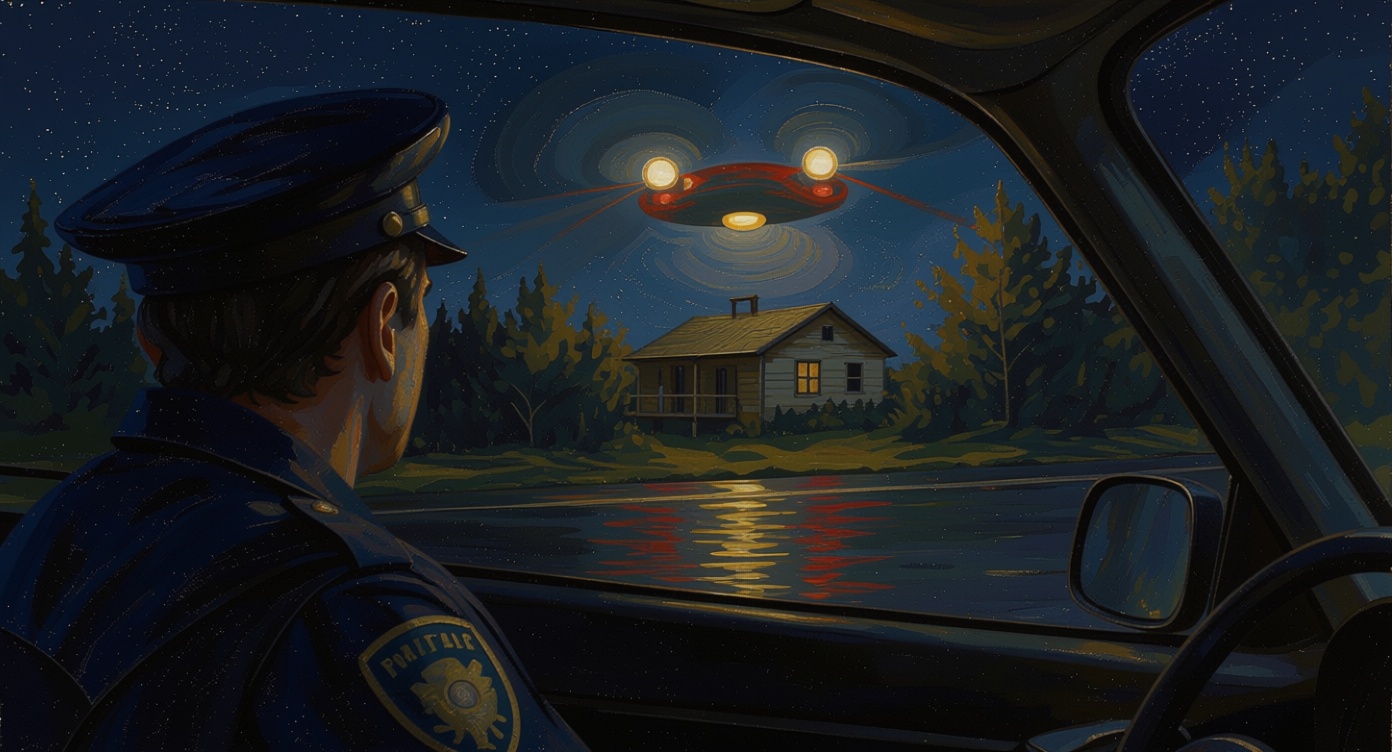
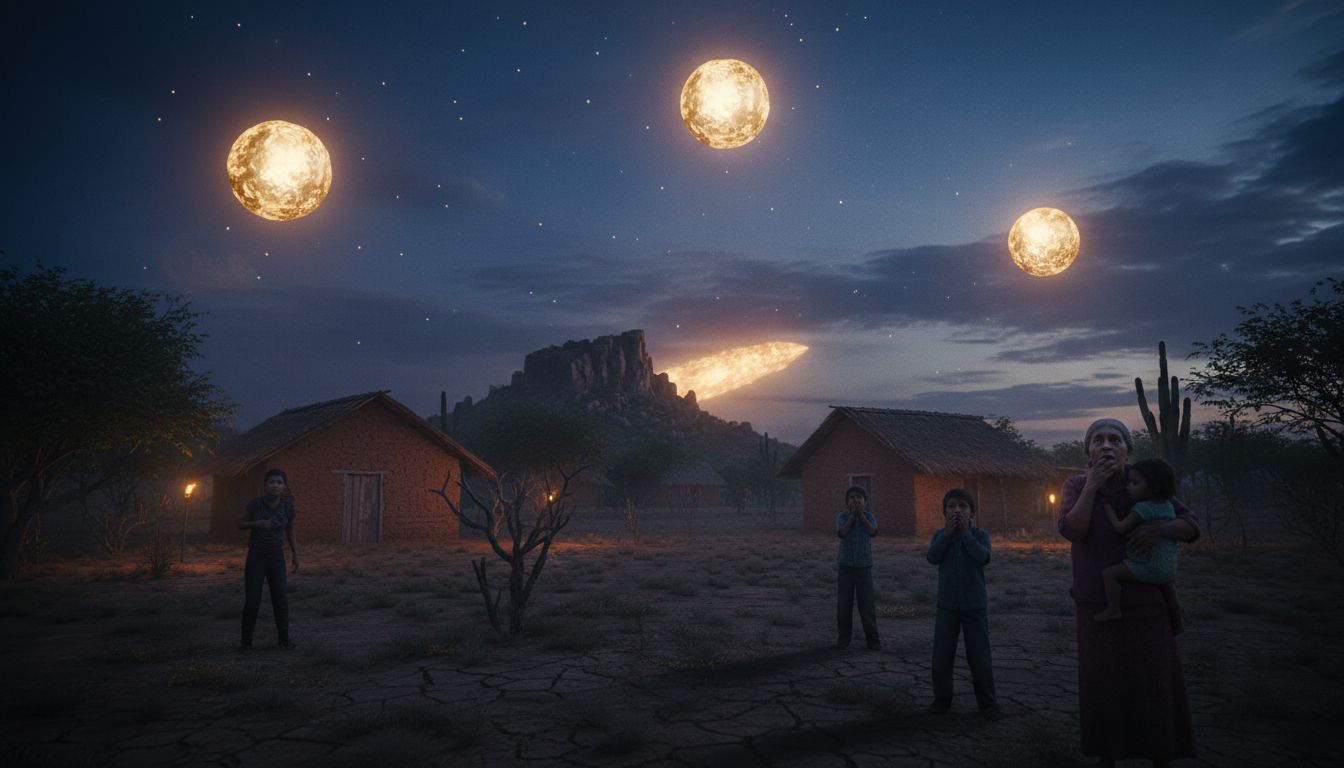
Since December 2025, residents of several municipalities in the Brazilian state of Piauí — notably Barras, Esperantina and surrounding rural areas — have reported a surge of unidentified aerial phenomena (UAP). The sightings, described as “mysterious lights” that hover, dart, or remain stationary in the night sky, have prompted a wave of alarm and curiosity that continues to ripple through local communities. While the early reports attracted national attention, they were partially eclipsed by renewed interest in the 30‑year anniversary of the infamous Varginha incident, yet the Piauí lights have persisted, defying simple meteorological or astronomical explanations.
Observations and Evidence
Witnesses describe the objects as bright, multicolored orbs that appear without sound and often move against the wind direction. On several occasions, local video‑bloggers captured the phenomena on handheld cameras. One such recording, posted by the YouTube channel “Belém de Arrepiar,” shows a static luminous disc hovering over the Lameirão community in Barras, followed by a sudden burst of light before disappearing.
In addition to visual documentation, a team of independent ufologists who visited Barras in early January 2026 reported detecting Starlink satellite transits that coincided with the timing of some sightings. The team’s preliminary analysis suggests that the satellites’ reflective surfaces could produce brief flashes, but the duration, erratic motion and clustering of the observed lights differ from typical satellite behavior, leaving the phenomenon unresolved.
Community Reaction
The recurring nature of the events has stirred both fear and fascination among locals. “It’s like the sky is alive; we hear the children stop playing and the adults gather on the porch, looking up,” said Marcos Silva, a farmer from Esperantina. Similar sentiments were echoed by Ana Pereira, a schoolteacher in Barras, who noted that the sightings have disrupted nightly routines and prompted a surge in “UFO‑watch” groups on the social platform X.
Local authorities report an uptick in calls to municipal hotlines, with many residents requesting clarification or reassurance. While some attribute the lights to ball lightning or atmospheric plasma, others speculate about experimental drones or foreign surveillance equipment, reflecting the community’s uncertainty and the lack of an official narrative.
Official and Scientific Response
The Brazilian Ministry of Defense’s UAP program, established in 2021, has logged the Piauí reports but has not yet released a formal assessment. A spokesperson for the agency, Lt. Col. Rafael Almeida, indicated that “the data are being reviewed in collaboration with the National Institute for Space Research (INPE) to rule out known aerospace activities.”
Independent researchers from the Associação Brasileira de Ufologia (ABUF) have begun a systematic field study, employing photometric equipment and spectrum analysis to capture future events. Their preliminary stance, expressed by lead investigator Dr. Luiza Carvalho, emphasizes caution: “While anecdotal accounts are compelling, scientific rigor demands reproducible measurements. Until we obtain calibrated data, any hypothesis remains speculative.”
Outlook
The Piauí lights underscore a broader resurgence of UAP interest worldwide, where civilian reports increasingly intersect with governmental transparency initiatives. As investigators deploy more sophisticated sensors and engage with local witnesses, the hope is to either identify a terrestrial source—such as novel aerospace testing—or to document a genuinely unexplained atmospheric occurrence.
For now, the skies over Piauí remain a focal point of intrigue, prompting both community vigilance and methodical inquiry. Whether the mystery will resolve through conventional science or persist as an open question, the episode highlights the importance of balanced reporting, rigorous data collection, and respectful dialogue between residents, researchers, and authorities.